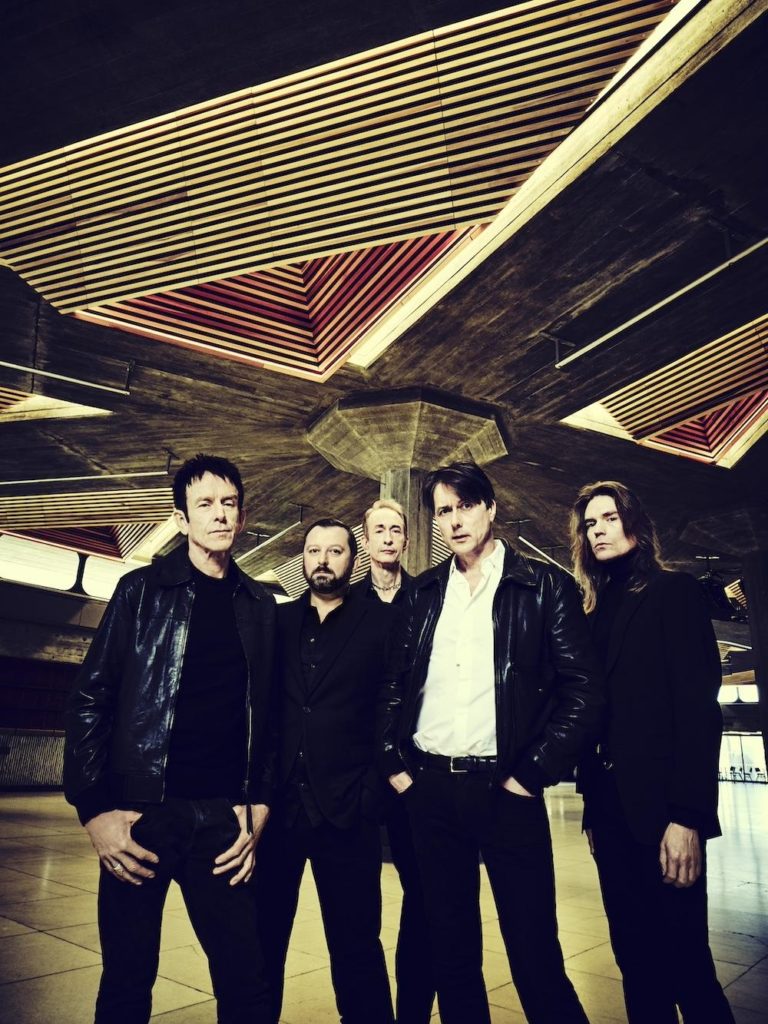
Suede: Returning to York Barbican for the first time since March 2023. Picture: Dean Chalkley
DRESSED in black, Brett Anderson strides onto the York Barbican stage to cheers from Saturday’s sold-out audience.
Suede, the Britpop band with a stripe of depth that marked them out from their peers, are in York as part of a tour to promote their tenth album, last September’s Antidepressants.
At 58, Anderson has retained his good looks and panache. He’s a clever, talented, self-made man. He has penned two volumes of autobiography, including Coal Dark Mornings, about his tough upbringing in a West Sussex council house that was virtually penniless.
He was heartbroken at the death of his mother and did not attend her funeral, an act of existential defiance he now regrets.
His lyrics often focus on the tougher elements of life and the band tend to view themselves as outsiders. They are much deeper, but less popular, than their 90s’ cousins Oasis, whose Gallagher brothers Anderson once dubbed “the singing plumbers”’.
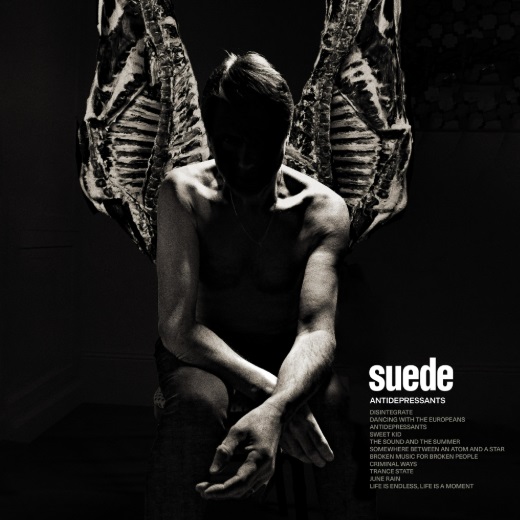
The artwork for Suede’s September 2025 album, Antidepressants, which peaked at number two in the UK charts
Opening with Disintegrate, from the new album, the band pummel through a set that is mostly loud, fast and excitable Several songs in and they deliver two killer tunes: Trash and Animal Nitrate. These show Suede at their bombastic best: rousing songs with shadowy lyrics and a hint of edginess.
Animal Nitrate is a dark tale of abuse and escapism set to a soaring chorus, but it is closely followed by Film Star, which is leaden and repetitive, with little of the same brio.
Anderson is backed by Simon Gilbert (drums), Richard Oakes (guitar and keys), Mat Osman (bass) and Neil Codling (keyboards and guitar), who resembles Thin Lizzy’s Scott Gorham with his long hair and Gibson Les Paul.
The band play most songs at a similar brisk pace and with attendant volume, sometimes lacking in variation. Clearly influenced by David Bowie, Suede would benefit from borrowing some of the dynamics that another of their influences, The Smiths, used so effectively.
Just because you can play loud and fast doesn’t mean you can’t enjoy other approaches. Anderson, revelling in the drama of performance, exhorts the audience to feverous applause. He lies down, he grapples with fanatic audience members, he sings his heart out. By the end, he’s drenched in sweat. The fans, of course, lap it up.
Review by Miles Salter