REVIEW: Pick Me Up Theatre in Agatha Christie’s And Then There Were None, Theatre@41, Monkgate, York, until Sat ****

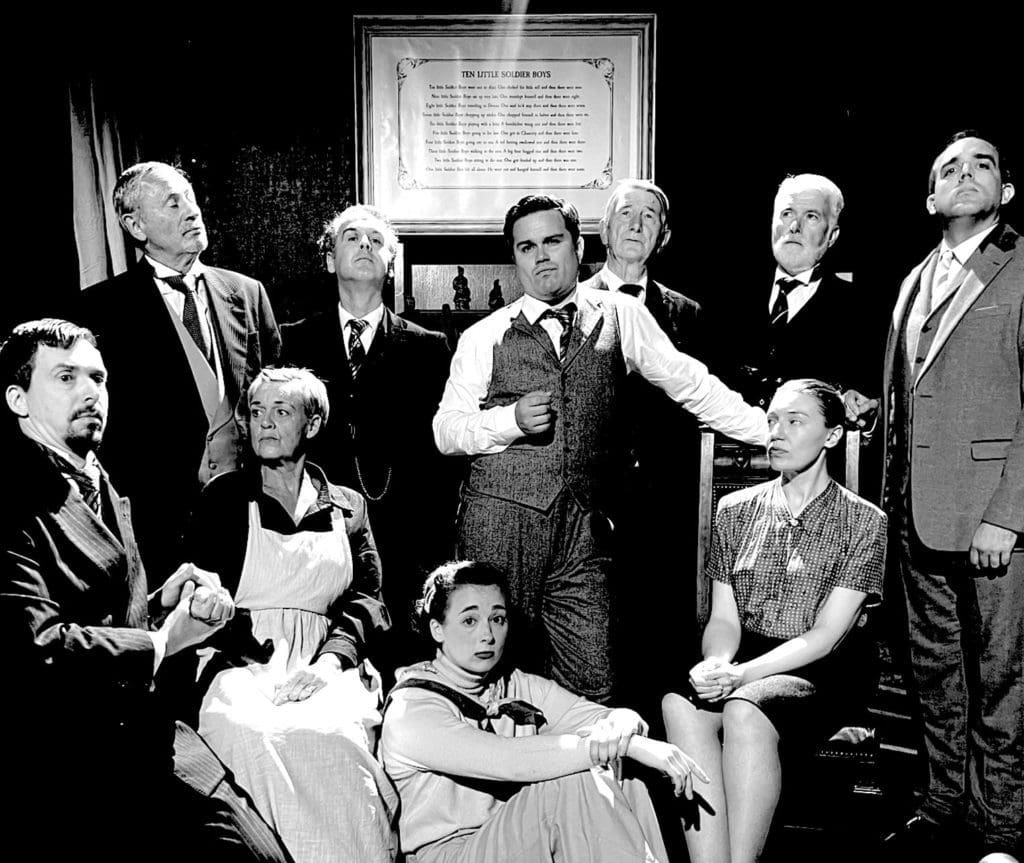
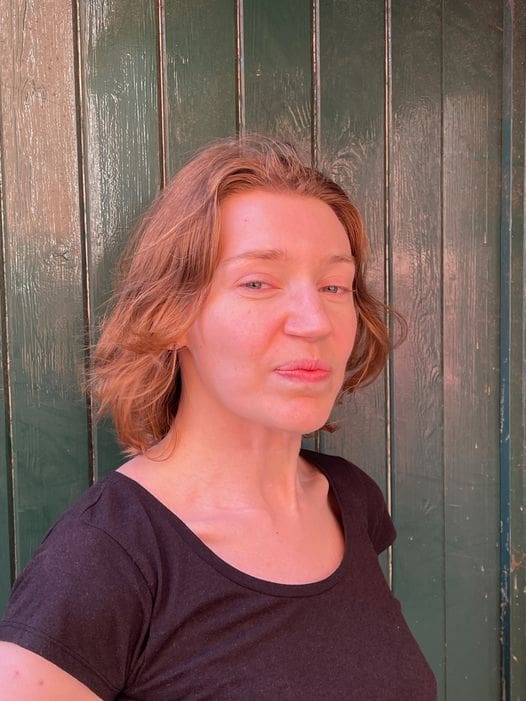
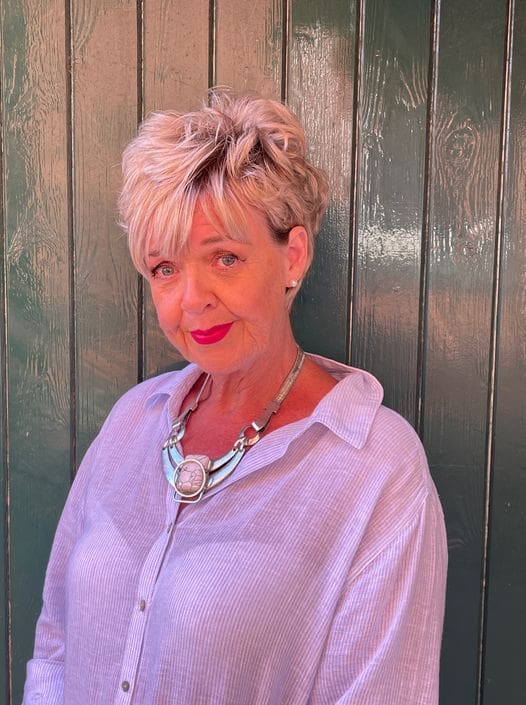
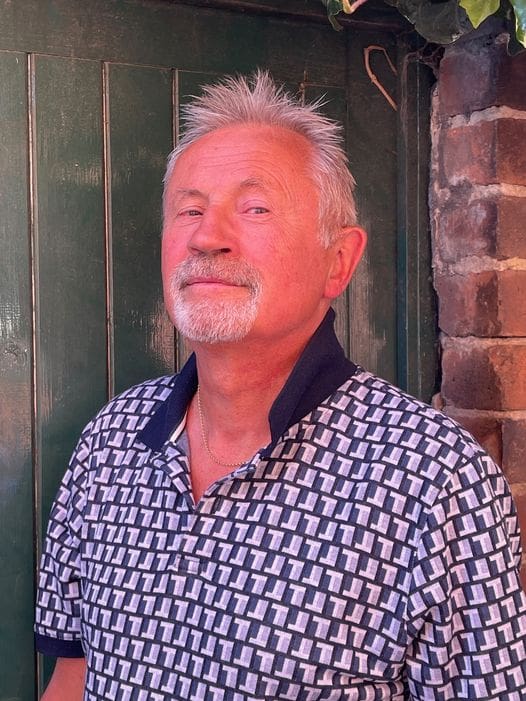
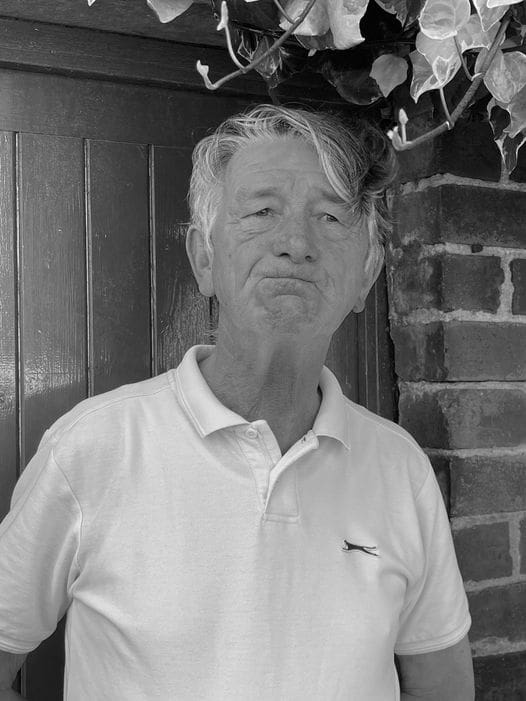
And then there were ten: standing, Mark Simmonds, left, Martyn Hunter, Mike Hickman, Andrew Roberts, Ian Giles, Rory Mulvihill and Andrew Isherwood; seated, Jeanette Hunter, left, Florence Poskitt and Jessica Murray, in Pick Me Up Theatre’s And Then There Were None

NOT to be mistaken for Lucy Bailey’s “21st century reinvention” of Agatha Christie’s best-selling crime novel, bound for the Grand Opera House in November, this is the first of three Pick Me Up productions, made in York, one per month, this autumn.

For the record, Pick Me Up producer Robert Readman secured the rights for staging And Then There Were None before the Fiery Angel, ROYO and Royal & Derngate co-production emerged over the horizon.

He had put in place an autumn season to show off all the talents at Pick Me Up’s disposal: experienced hands for the “straight play”, Christie’s posh house party thriller; blossoming youths in The Worst Witch in late-October, and musical comedy exponents in Mel Brooks’s Young Frankenstein the following week.

Readman is a Christie aficionado – he could pick her as his specialist subject for Mastermind – but decided to spread the directorial workload for the season ahead, having already cast And Then There Were None before the handing the reins to cast member Andrew Isherwood to steer a film noir-style nail biter.

Law and order: Rory Mulvihill’s judge, Sir Lawrence Wargrave, left, and Andrew Isherwood’s Detective William Henry Blore

Readman will direct Young Frankenstein, preceded by Rosy Rowley overseeing The Worst Witch, but his creativity is at play in And Then There Were None too in his design for a Christie murder mystery set in 1939 with Europe on the brink of war.

Christie had talked of a bleak house that should feel like it had long been empty, furnished but stark and unwelcoming. Readman, with his collector’s eye for acquiring props, furniture, costumes and more besides at his Chicken Sheds warehouse in Bubwith, delivers the period look to the T. 

Furniture from a friend’s house move, tick. A redundant fireplace from another friend’s refurb, tick. The glass-framed doors from York Theatre Royal’s production of Private Lives, tick. The ten little soldier boy models, from Readman’s research, tick. An Ercol chair from the Readman family stock, tick.

He assembles them on an end-on/side on set that dominates the Theatre@41 black box, deliberately so to give Isherwood’s production an oppressive, claustrophobic air. There will be no escape from Soldier Island, off the Devon Coast, for the eight house guests, butler and his housekeeper wife, assembled there at the intriguing invitation of a certain Mr and Mrs U N Owen (whose identity and whereabouts shall indeed remain unknown).

Passing judgement: Jessica Murray’s Emily Brent vents her spleen at Florence Poskitt’s Vera Claythorne in And Then There Were None

One by one, they are introduced to the audience, first the husband-and-wife staff Rogers and Mrs Rogers, played by husband-and-wife Martyn and Jeanette Hunter, Martyn delightfully understated, Jeanette gone, spoiler alert, all too soon.

Not before Rogers follows instructions to play a sternly delivered recording that declares all of them to have a wicked past and a secret destined to seal their fate, each being marked for murder.

As the weather turns thunderous, cutting the island rock off from the mainland, let the bloodbath begin, the toy soldiers disappearing one by one with each murder, in accordance with the lines of a sinister nursery rhyme on display above the mantelpiece.

Andrew Roberts has a cameo, West Country accent and all as Fred Narracott, delivering the guests to the island, before re-emerging as spiffing, fast-living, flippant Anthony Marston. Florence Poskitt’s outwardly level-headed but on-edge Vera Claythorne is welcoming guests on the Owens’ behalf; Mike Hickman’s devil-may-care Captain Philip Lombard likes to be seen keeping spirits up and his spirit intake up even higher.

What the butler saw or did he? Martyn Hunter’s Rogers and Jeanette Hunter’s Mrs Rogers in And Then There Were None

Andrew Isherwood soon sheds the dodgy accent of his cover as a wealthy South African, Davis, to be revealed as retired Detective William Henry Blore.

Ian Giles’s old boy, General MacKenzie, appears to be losing his marbles; Jessica Murray’s disapproving religious zealot Emily Brent knits feverishly, and Mark Simmonds’ Dr Armstrong is as earnest as brown bread.

Rory Mulvihill’s Sir Lawrence Wargrave is wont to dominate, a judge by profession, with a  permanent black-cap countenance and a voice that commands the stage and those around him alike.

Isherwood’s direction skilfully steers a path through dark humour, heightened tensions and chilling revelations, capturing Christie’s scathing dismissal of so many restrictive institutions, and his cast applies both light and increasing shade. 

Ian Giles’s General MacKenzie holds forth in And Then There Were None as Florence Poskitt’s Vera Claythone looks on quizzically

Hickman’s mysterious Lombard is particularly good at keeping up a front; Poskitt may be associated with wide-eyed, squishy faced comedy but here delves into disturbing inner turmoil, a revelation that affirms she should not be pigeonholed.

Mulvihill, latterly flourishing in diverse roles beyond his musical theatre leading-man prowess, is in terrific form once more, his grave Wargrave judging everyone to damnation.  

Will Nicholson and Adam Coggin’s lighting blends in just right with each scene’s tone and Readman’s scenery in Isherwood’s engrossing production that benefits from one other Readman decision: replacing the play’s happier ending with the novel’s original darker denouement, with permission from the Christie estate. Right again, Robert.

Performances: 7.30pm nightly, plus 2.30pm Saturday matinee. Box office: tickets.41monkgate.co.uk.
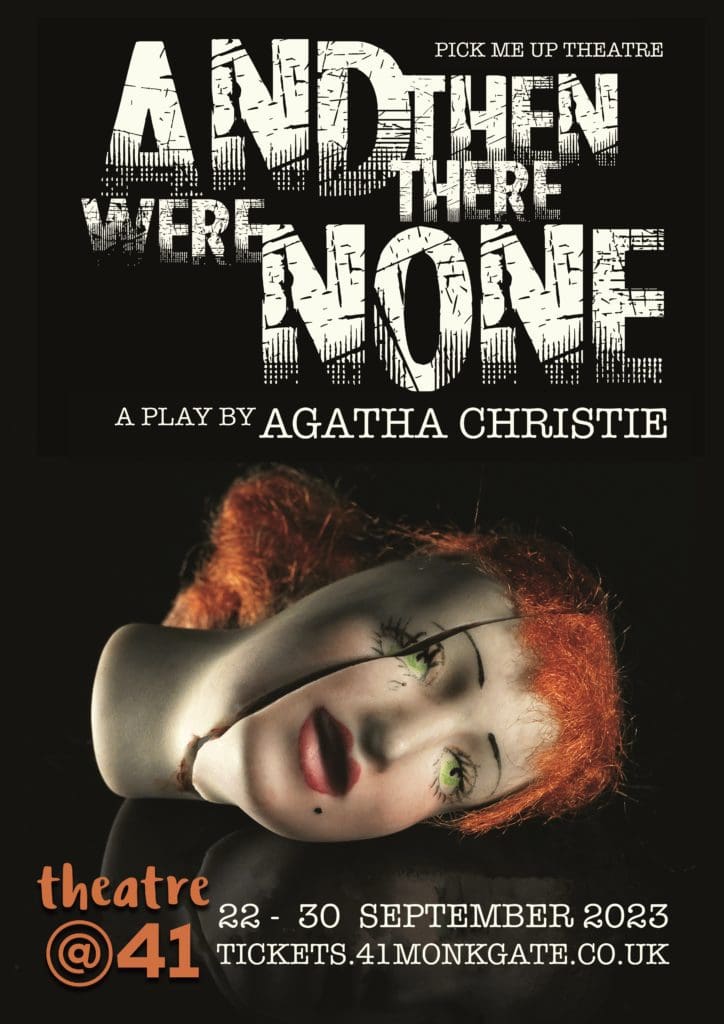
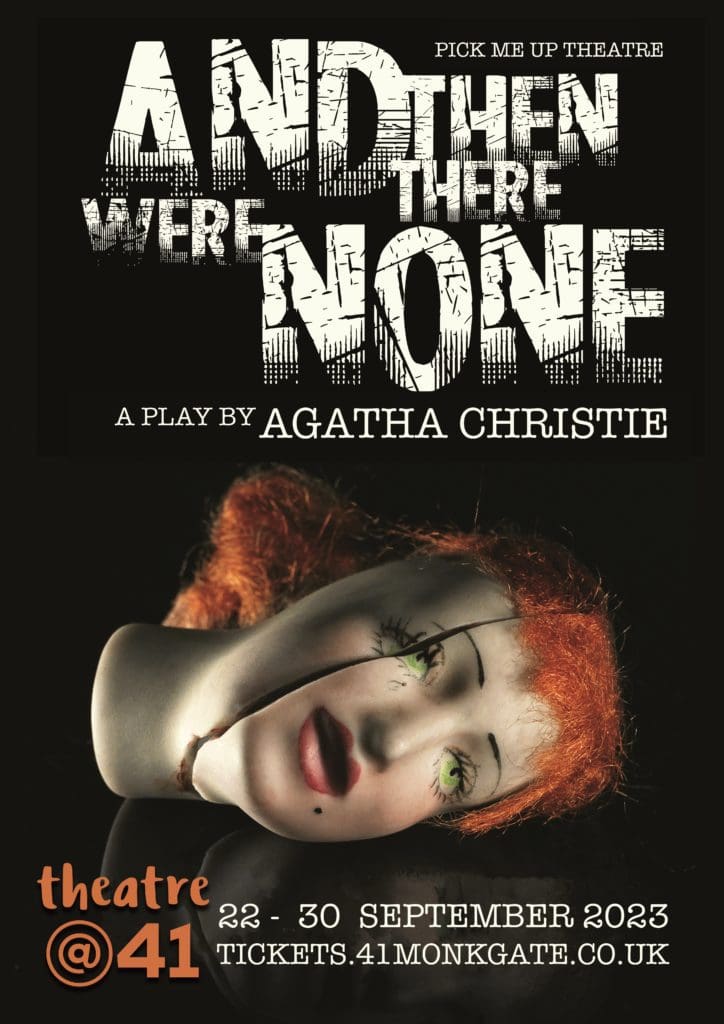
Pick Me Up Theatre’s poster artwork for And Then There Were None

How And Then There Were None became And Then There Were Two in York this autumn in Agatha Christie mystery

And then there was one: Pick Me Up Theatre’s poster for their first bite of the And Then There Were None cherry in York

NO productions of Agatha Christie’s house party thriller And Then There Were None in York for ages, but suddenly, like buses…and then there were two.

Andrew Isherwood’s film noir-style nail-biter for York company Pick Me Up Theatre opens at Theatre@41, Monkgate, on Friday, to be followed by Lucy Bailey’s 21st reinvention on tour at the Grand Opera House from November 21 to 25.

In Christie’s murder mystery, Europe is teetering on the brink of war when eight strangers receive an intriguing invitation to a posh house party on Soldier Island, an isolated rock near the Devon coast.

These house guests are to be met by the butler and his housekeeper wife…And Then There Were Ten, but not for long.

Andrew Isherwood: Looking judgemental in Pick Me Up Theate’s social media post announcing his role as retired Inspector William Blore in And Then There Were None

All have a wicked past they are unwilling to reveal and a secret destined to seal their fate. For each has been marked for murder. As the weather turns, the bloodbath begins and one by one they are brutally murdered in accordance with the lines of a sinister nursery rhyme.

More on Bailey’s touring show for Fiery Angel, ROYO and the Royal & Derngate, Northampton, in November, but first the focus falls on Andrew Isherwood picking up the directorial reins for Pick Me Up for the first time, as well as playing one of the suspects already cast by producer Robert Readman, who had acquired the rights for Christie’s play ahead of the touring production incidentally.

“It’s a fantastic play,” says Andrew. “Having acted for more than ten years now, I’ve been wanting to spread my wings a little, and when this play came up, I jumped at the chance to give it a shot with a fairly sizeable cast for a piece that’s very dialogue heavy.

“Bringing together some of the best actors we have in York, it was too good an opportunity to miss. For the audience, can I find a tone and a pace to the show that keeps people engaged and involved from beginning to end?”

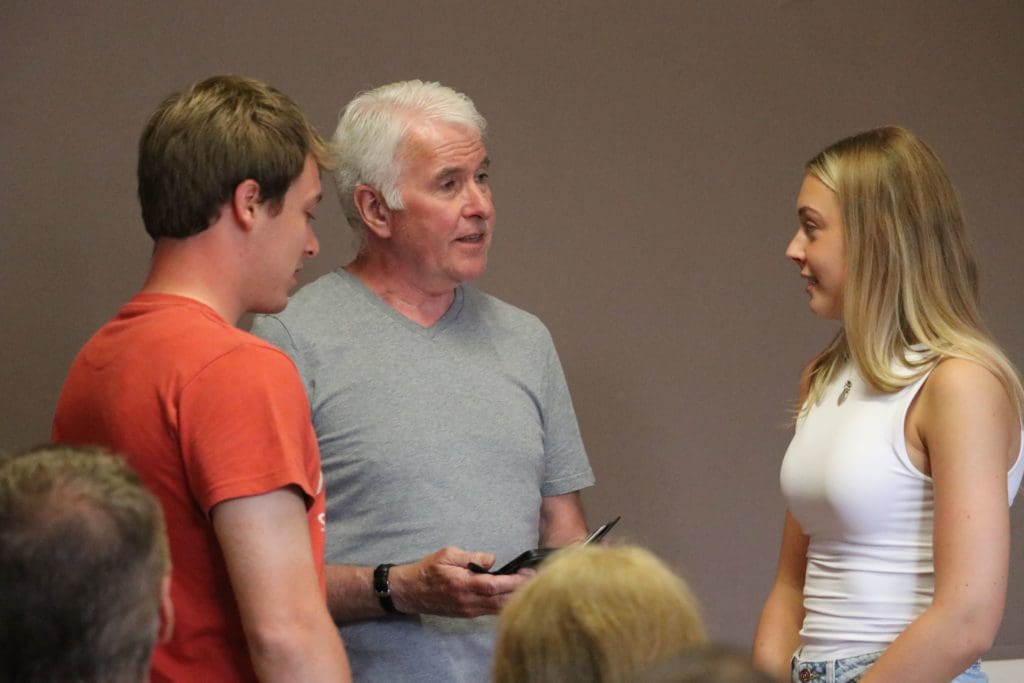
Jess Murray’s Emily Brent, Rory Mulvihill’s Sir Lawrence Wargrave, Martyn Hunter’s butler Rogers, Mark Simmonds’s Dr Edward Armstrong and Flo Poskitt’s Vera Claythorne, seated, rehearsing at Theatre@41, Monkgate, York, for And Then There Were None

To do so, combining directing and acting has been challenging. “That’s for sure,” says Andrew. “To switch between performance and honing the performances of the cast, working on the fine details. I’ve focused a lot on developing as a director while maintaining committed to my role. It’s a fine balance.”

He will play retired Inspector William Henry Blore, who should know his way around a crime scene and be a dependable chap in a crisis, but when the killing starts, is this former copper the bookies’ best bet for whodunit?

“I really enjoy the duality and complexity of Blore’s character,” says Andrew. “Having the opportunity to play a character who presents himself as one thing and reveals himself to be another. To play a character within a character as it were. It’s something I’ve not done before, which is always attractive.”

Christie’s abiding popularity, on stage, screen and page, is no mystery to Andrew. “She’s a British icon; her name has instant brand recognition as it were,” he says. “Even if you’ve never even read or seen an Agatha Christie, you know she’s synonymous with intrigue, mystery and drama. I think the success of Poirot, in particular, has permeated our culture in such a way that associates itself with class and quality.”

Why are the British so fascinated by murder, mystery and death, Andrew? “It’s irresistible. The search for answers. The need to know. The intrigue, The darkness of man’s soul. The exploration of the darker side that’s quite seductive. It’s important to have some mystery to life,” he says.

Joining Isherwood’s Blore in Pick Me Up’s cast will be Flo Poskitt’s Vera Claythorne; Mike Hickman’s Philip Lombard; Rory Mulvihill’s Sir Lawrence Wargrave; husband and wife Martyn and Jeannette Hunter’s butler Rogers and housekeeper wife Mrs Rogers; Andrew Roberts’s Anthony Marston; Ian Giles’s General John MacKenzie; Mark Simmonds’s Dr Edward Armstrong and Jess Murray’s Emily Brent.

Such familiar faces from the York stage scene recalls the old days of repertory theatre, enjoying seeing regulars in new roles. “I’ve certainly been very lucky and blessed to have such a fantastic cast. A lot of known and returning faces gives the sense that this is a company of experienced hands,” says Andrew.

“Directing this production has been such a wonderful experience because I know the roles will be brought so brilliantly to life. It’s certainly a good feeling to know that each scene is in the hands of compelling and experienced actors, and I’ve really enjoyed working with each of them, developing, finding new folds and creases to their characters.”

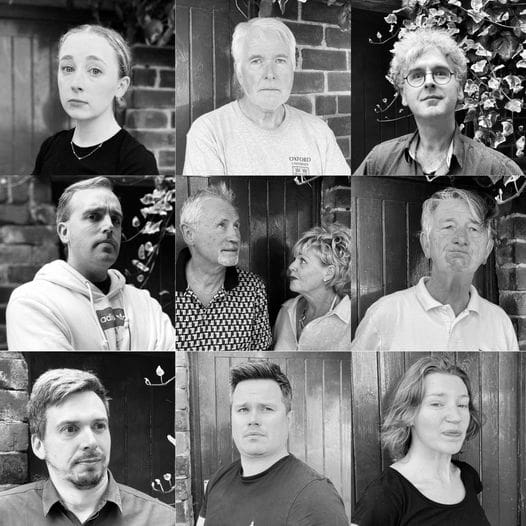
From one to ten: Pick Me Up Theatre cast members Flo Poskitt, top left, Rory Mulvihill, Mike Hickman, Andrew Isherwood, Martyn Hunter, Jeanette Hunter, Ian Giles, Mark Simmonds, Andrew Roberts and Jess Murray

Producer Readman’s set design will play its part in the thrills and spills. “Robert has designed a fabulous set using levels and lighting to create mood and atmosphere. The design is created to reflect the shape of the island itself, and the lighting will be very evocative and in the style of film noir to fully immerse our audience in this world,” says Andrew. 

In this autumn of And There Were None at the double, he is “glad we’re getting in there first”. “It certainly becomes a part of professional pride that if you come to see our version, we’ll be every bit as good as you would expect from the Opera House show. I’ve felt for a long time that the line between what you would consider an ‘amateur’ show versus a ‘professional’ show is a fine one,” says Andrew.

“Definitely in the shows I’ve been involved with. From Robert Readman’s set to the costumes and the quality of the performances, it’s every bit as good as you would see in London. So come join us on the island!”

Pick Me Up Theatre in Agatha Christie’s And Then There None, Theatre@41, Monkgate, York, September 22 to 30. Performances: 7.30pm, September 22, 23, 26 to 30; 2.30pm, September 23, 24 and 30. Box office: tickets.41monkgate.co.uk.
Copyright of The Press, York

And then there were two

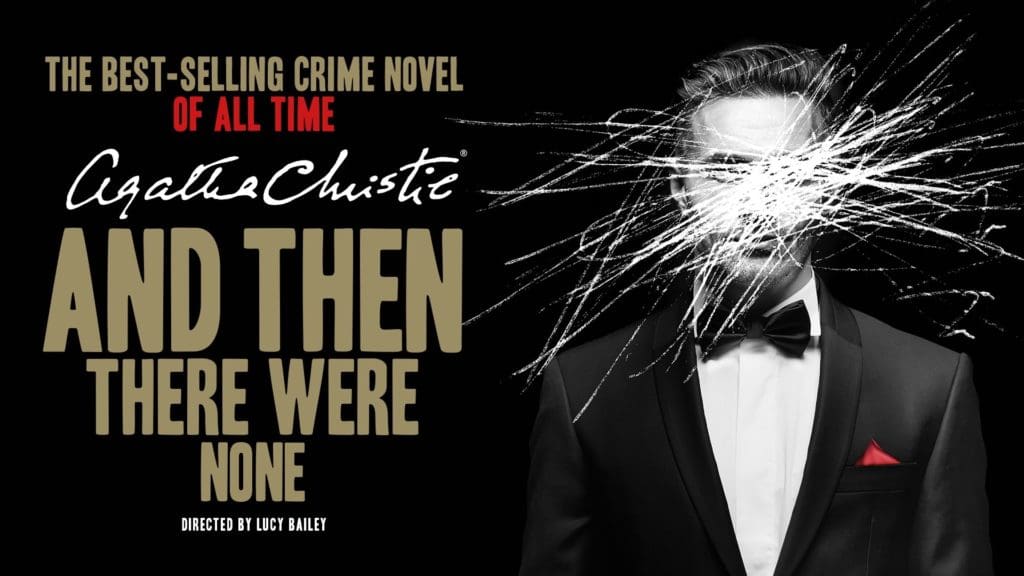
The artwork for Lucy Bailey’s production of And Then There Were None, on tour at the Grand Opera House, York, in November

IN Lucy Bailey’s “bold and exciting” 21st reinvention of Agatha Christie’s And Then There Were None, ten strangers are lured to a solitary mansion off the coast of Devon. When a terrible storm cuts them off from the mainland, and with their hosts mysteriously absent, the true reason for their presence on the island becomes horribly clear, as secrets from their past come back to haunt each and every one of them.

Confirmed in the cast for the York-bound Fiery Angel, ROYO and Royal & Derngate, Northampton touring production are Bob Barrett as Dr Edward Armstrong; Joseph
Beattie as Philip Lombard; Oliver Clayton as Anthony Marston; Jeffery Kissoon as General John MacKenzie and Andrew Lancel as retired Inspector William Blore.

So too are Nicola May-Taylor as Jane Pinchbeck; Katy Stephens as Emily Brent; Lucy Tregear as Georgina Rogers; Sophie Walter as Vera Claythorne; Matt Weyland as Narracott/Understudy and David Yelland as Judge Wargrave. Louise McNulty will be on understudy duty.

And then there were twelve: Lucy Bailey’s cast for And Then There Were None 

Lucy Bailey has previous form for Christie productions, having directed Witness For The Prosecution, now in its sixth year, as well as Frederick Knott’s Dial M For Murder, Baby Doll, Titus Andronicus and The Best Exotic Marigold Hotel.

She is joined in the production team by UK Theatre Award-winning set and costume designer Mike Britton, lighting designer Chris Davey, sound designer and composer Elizabeth Purnell, fight director Renny Krupinski and movement director by Ayse Tashkiran.

Fiery Angel, ROYO and Royal & Derngate, Northampton, present And Then There Were None at Grand Opera House, York, November 21 to 25, 7.30pm plus 2.30pm Wednesday and Saturday matinees. Box office: atgtickets.com/york.

Did you know?

AND Then There Were None is not only Agatha Christie’s most read work, but also the best-selling crime novel of all time, selling more than 100 million copies worldwide since its first publication in 1939.

And now there are ten as Pick Me Up Theatre announces September cast for Agatha Christie’s And Then There Were None. UPDATED 18/9/2023

Pick Me Up Theatre’s poster for September’s production of And Then There Were None at Theatre@41, Monkgate, York

1939. Europe teeters on the brink of war. Eight strangers receive an intriguing invitation to a posh house party on Soldier Island, an isolated rock near the Devon coast.

These house guests are to be met by the butler and his housekeeper wife…And Then There Were Ten, but not for long.

So begins Agartha Christie’s groundbreaking whodunit And Then There Were None, to be staged by York company Pick Me Up Theatre under Andrew Isherwood’s direction at Theatre@41, Monkgate, York, from September 22 to 30.

Grave expression: Rory Mulvihill, cast as Sir Lawrence Wargrave, the retired judge, in And Then There Were None

What the guests have in common is a wicked past that they are unwilling to reveal and a secret destined to seal their fate. For each has been marked for murder. As the weather turns, the bloodbath begins and one by one they are brutally murdered in accordance with the lines of a sinister nursery rhyme.

“Cut off from the mainland, they are each accused of a terrible crime. When one of the party dies suddenly, they realise they may be harbouring a murderer among their number,” says producer Robert Readman. “The tension escalates as the survivors realise the killer is not only among them but also is preparing to strike again… and again.”

See Emily play up: Jess Murray, cast as “ruthlessly religious” knittijng fiend Emily Brent in And Then There Were None

Director Isherwood will be among Pick Me Up’s “fabulous cast of the county’s finest”, playing William Blore alongside Flo Poskitt’s Vera Claythorne; Mike Hickman’s Philip Lombard; Rory Mulvihill’s Sir Lawrence Wargrave; husband and wife Martyn and Jeannette Hunter’s butler Rogers and housekeeper wife Mrs Rogers; Andrew Roberts’s Anthony Marston; Ian Giles’s General John MacKenzie; Mark Simmonds’s Dr Edward Armstrong and Jess Murray’s Emily Brent.

Pick Me Up’s Facebook page is introducing Christie’s “motley characters” one by one in an on-going series. First up: meet Rory Mulvihill’s judge, Sir Lawrence Wargrave. “The Judge…you wouldn’t want to cross him,” forewarns Readman’s profile notes.

What the butler’s wife saw: Jeannette Hunter, picked to play housekeeper Mrs Rogers in Pick Me Up Theatre’s And Then There Were None

“Recently retired, he is intelligent, cold and commanding. During his years on the bench, he had a reputation as a ‘hanging judge’ – a judge who persuaded juries to bring back guilty verdicts and sentenced many convicted criminals to death. He should be right at home then.”

Next meet Jeanette Hunter’s Mrs Rogers. “She is the housekeeper in a big posh mansion where eight perfect strangers have been invited to spend the weekend by an unknown host. She is rather timid, has a dominating husband and she tells us she’s ‘always left to do the dirty work’,” says Readman.

Mysterious, confident, cunning: Mike Hickman’s Philip Lombard

“And there’s plenty of it in And Then There Were None but take nothing at face value in this twisty tale of murder and revenge! Jeanette’s character might not be all she seems.”

Step forward dodgy character number three: Jess Murray’s Emily Brent. “She is a ruthlessly religious woman who reads her Bible every day,” says Readman. “She might devour the good book – but her actions are anything but Christian. And she knits – like those ghouls from the guillotine!”

Does Martyn Hunter’s butler Thomas Rogers look shifty? Find out from September 22 to 25

Next up: Mike Hickman’s Philip Lombard. “A mysterious, confident and cunning man, we think he was maybe a mercenary soldier in Africa? Anyway, it looks like Mike Hickman isn’t about to take any prisoners in this role…Could he be the guilty one?” ponders Robert.

Who’s next? “Here comes Thomas Rogers…A respectable and reliable butler. Or is he? Don’t you think he looks a bit shifty? And Martin Hunter plays the part perfectly. Come and find out if he dunnit in Agatha Christie’s corking murder mystery,” says Robert.

Ian Giles’s General John Gordon McKenzie: “Upstanding”…or does that not stand up to appraisal?

How about Ian Giles’s General John Gordon Mackenzie? “He’s an upstanding military man – or is he?” asks Robert. “One of eight seemingly random guests invited to a mysterious house party in Agatha Christie’s And Then There Were None, how could anyone think our Ian Giles could be the one wot dunnit?”

Who is Andrew Roberts playing? “This handsome devil (see below) is Anthony Marston: a rich, swanky guy who likes fast cars and fast living,” says Robert. “He seems to have no conscience but is he a murderer?”

If looks could kill…but is Andrew Roberts’s Anthony Marston the murderer in And Then There Were None

Back in York after an Edinburgh Fringe run in York musical comedy duo Fladam’s children’s show Green Fingers, Flo Poskitt takes the role of former governess Vera Claythorne, who comes to Soldier Island as secretary to fellow guest Mrs Owen.

“Flo’s Vera is clever and capable, but she is also super-nervy and suffers from attacks of hysteria, so don’t cross her off the murderer suspect list just yet,” says Robert.

“Clever and capable, but super-nervy too”: Flo Poskitt’s Vera Claythorne in And Then There Were None

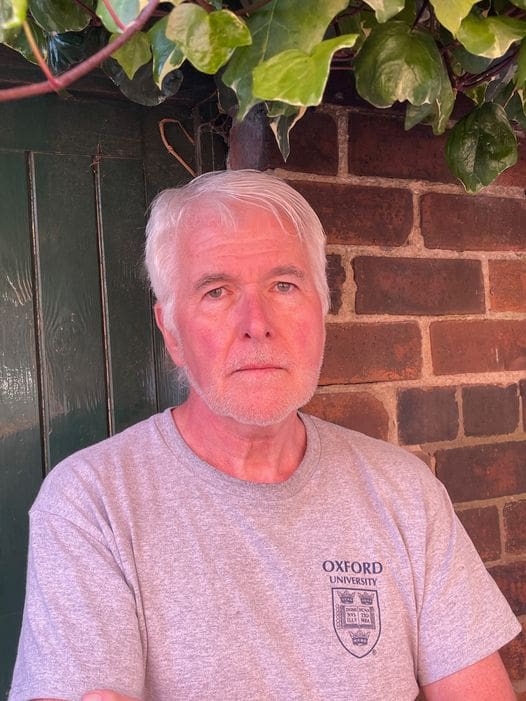
“Don’t trust him – even though he’s a doctor,” he forewarns of any encounter with Mark Simmonds’s Dr Edward Armstrong. “The other seven guests certainly don’t. In fact Armstrong is high up the suspect list because – well, he knows media stuff, doesn’t he?! He could easily bump someone off (if he wasn’t always yearning after a large glass of scotch).

“So, is Mark Simmonds our man in And Then There Were None? If you’ve read Agatha Crhsistie’s book or seen the films, no spoilers please!”

High up on the suspect list: Mark Simmonds’s Dr Edward Armstrong

And now there are ten

INTRODCING retired Inspector William Henry Blore, director Andrew Isherwood ‘s on-stage contribution to And Then There Were None.

“He should know his way around a crime scene and be a dependable chap in a crisis – like the one ten strangers find themselves facing at a weird house party in Christie’s nail-biter,” says Robert. “But really…when the killing starts – is the former policeman your best hope?”

On closer inspection: Andrew Isherwood looks judgemental in his guise as retired Inspector William Henry Blore

Ten Little Soldiers: the back story of a sinister nursery rhyme

THIS epigraph appears at the start of Agatha Christie’s 1939 murder mystery novel, And Then There Were None, foretelling the ten deaths (spoiler alert!) that will occur on Soldier Island.

Ten Little Soldier Boys went out to Dine, one choked his little self and then there were nine.

Nine  Little Soldier Boys stayed up very late; One overslept himself and then there were eight.

Eight  Little Soldier Boys travelling in Devon; One said he’d stay there and then there were seven.

Seven Little Soldier Boys chopping up sticks; One chopped himself in halves and then there were six.

Six  Little Soldier Boys playing with a hive; A bumblebee stung one and then there were five.

Five Little Soldier Boys going through a door; One stubbed his toe and then there were four.

Four Little Soldier Boys going out to sea; A red herring swallowed one and then there were three.

Three Little Soldier Boys walking in the zoo; A big bear hugged one and then there were two.

Two Little Soldier Boys sitting in the sun; One got frizzled up and then there was One.

One  Little Soldier Boy left all alone; He went and hanged himself and then there were none. 

Did you know?

THE island and Art Deco hotel of the same name that inspired Agatha Christie to write both And Then There Were None and the Hercule Poirot mystery Evil Under The Sun are for sale at £15 million: namely Burgh Island, off the south Devon coast. The sale includes Christie’s beach house, where she wrote, on the cliff edge.

Pick Me Up Theatre in And Then There Were None, Theatre@41, Monkgate, York, September 22 to 30. Performances: 7.30pm, September 22, 23, 26 to 30; 2.30pm, September 23, 24 and 30. Box office: tickets.41monkgate.co.uk. Recommended age: eight plus.
REVIEW: Amerrycan Theatre in Our Town, Theatre@41, Monkgate, York ****

The wedding: Emily Belcher’s Emily Webb marries Frankie Bounds’s George Gibbs in a ceremony conducted by Rory Mulvihill’s Congregational Church minister, right, in Amerrycan Theatre’s Our Town. Looking on, left, are Damian M O’Connor’s Constable Bill Warren and Charlotte Hewitson’s Rebecca Gibbs

RORY Mulvihill’s avuncular Stage Manager – a narrator, ringmaster, master of ceremonies and Cassandra rolled into one – talks of the stars “doing their old, old crisscross journeys” since four billion years ago.

You could call Thornton Wilder’s Our Town a time play, not in the manner of Bradford playwright J B Priestley’s Time Plays of the 1930s and 1940s, but because of the importance of time and using it well.

As director Bryan Bounds said afterwards: “The third act is the glass of water in the face to say, ‘Wake up, this is all going to be gone before you realise it’.”

Ironically, neither Mulvihill’s measured, mellifluous Stage Manager nor Wilder’s play, with its two intervals rather than the customary one, is in a particular hurry. The watch is ticking well past 10pm as we leave, more than two and a half hours after our arrival, but rest assured, time spent in the company of Wilder and “Yorkshire’s American theatre company” is time spent well indeed, particularly after that remarkable, rug-pulling third act.

Our Town has been called “America’s greatest play”, and while your reviewer does not have the time to debate that contention here, the likes of David Mamet and Edward Albee, no less, speak of this 1938 Pulitzer Prize winner that highly.

Advance publicity had suggested Amerrycan Theatre’s modern-dressed production was a very belated York premiere for Our Town, but it has since come to light that Rowntree Players presented it in the late 1950s, the actor who played young lead George Gibbs now in his 80s.

Nevertheless, that remains a long, long hiatus since its only York production, an act of neglect frankly. Not that you would feel that way after the gentle loosener of the first act, where Mulvihill leads a guided tour of Grover’s Corners, New Hampshire, population, 2,642.

Everyone knows everyone and their business in this little American town with its quietly competitive churches, railway, blanket factory and all-in-one town hall, post office and jail .

Wilder is presenting a microcosm of American life, much like Dylan Thomas’s portrait of the mythical Welsh seaside village of LLareggub in his 1954 radio drama Under Milk Wood, but Thomas’s play spanned only 24 hours, whereas Wilder’s three acts span 12 years from 1906 to 1918, rather than the original 1901 to 1913, in Bounds’s account with intervals of three years from Daily Life (May 7 1906) to Act Two’s Love and Marriage (July 7 1909) and nine more to Act Three’s Death and Eternity (Autumn 1918, originally Summer 1913).

A cast of 14 populates Our Town, some from York, others from Leeds and Harrogate, one born in Tasmania, Bounds originally from Temple, Texas, and his computer engineer friend, Thomas Miller, from southern Illinois, in his first foray into acting since university days. Just as we grow to know Wilder’s characters, an interval read of the programme profiles reveals plenty too, each accompanied by a black-and-white photograph from childhood days.

Our Town is deemed a radical play, not only in breaking down theatre’s fourth wall for Mulvihill to ask various (primed) audience members questions about Grover’s Corners, and in its lack of props and rudimentary scenery, but also in its bravura use of dead people – yes, you can see dead people a la The Sixth Sense – who rise from their graves to take seats to conduct Act Three from beyond.

Here, these dead souls of the cemetery discuss life’s transience, as Craig Kirby’s suicidal drunkard, the now late choirmaster Simon Stimson, scalds the living for their ignorance and bliss in Wilder’s  bleaker, blacker version of Jaques’ monologue in Shakespeare’s As You Like It. Bleaker still, they castigate the grieving George (spoiler alert) for wasting his time in visiting the graveyard.

Everything is milk and roses on the surface in Act One, even in the Sentinel newspaper run by the upright Mr Charles Webb (Andrew Isherwood), but gradually more than small-town gossip prevails. The women are not happy to be subservient; young Wally Webb (Harrison Turner-Hazel, a name for an actor if ever there were one!) must go off to war; symbolically, Kirby’s erratic Stimson tells the ladies of the Congregational Church choir (Jess Murray’s outstanding Mrs Myrtle Webb among them) that they sing too loudly.

At the play’s core is a love story, one of young lovers, neighbours George Gibbs (Frankie Bounds), the sports jock, and Emily Webb (Emily Belcher), the brightest pupil at school. The Romeo and Juliet of Wilder’s world, their courtship scenes are a delight, but the marriage ceremony shocks: a forewarning of Act Three’s darkness to come. Bounds junior and Belcher are terrific in those scenes, and Belcher is better still in the play’s stark climax.

America’s greatest play? You decide, but your first decision should be to visit Our Town and its story of everyday life and the extraordinary in the ordinary, but hurry, it will soon be leaving town.

Amerrycan Theatre in Our Town, Theatre@41, Monkgate, York, 7.30pm tonight and tomorrow; 2.30pm and 7.30pm, Saturday. Box office: tickets.41monkgate.co.uk.
Why has it taken 85 years for “America’s greatest play” to hit York? Step forward Amerrycan Theatre’s Our Town

Frankie Bounds’ George Gibbs in rehearsal for Amerrycan Theatre’s York premiere of Our Town

AMERRYCAN Theatre, Yorkshire’s American theatre company, are staging the York premiere of “the greatest American play” from Tuesday (11/7/2023) to Saturday.

Thornton Wilder’s still hard-hitting Pulitzer Prize winner Our Town will be presented by an American and British cast of 18 in an immersive makeover at Theatre@41, Monkgate.

“If you are ready for serious, life-affirming theatre, this play is for you,” says Texas-born producer and founding artistic director Bryan Bounds. “An enduring American treasure and one of the greatest plays of world theatre, Our Town is as radical now as at its premiere in 1938.

“Wilder’s portrait of life, love and death, set in Grover’s Corners, New Hampshire, a fictional New England town at the start of the 20th century, could happen just as easily in Pocklington.”

Eighty-five years after it shook the theatrical world, Our Town remains among the most performed plays in the United States and is considered to be the “greatest American play ever written” by Edward Albee, David Mamet and many other playwrights, while writer and theatre administrator Howard Sherman deems it to be “America’s first Shakespearean play”.

Wilder’s story follows the romance and marriage of Emily Webb (Emily Belcher) and George Gibbs (Frankie Bounds), and through them, he reveals the hidden mysteries behind the smallest details of everyday life.

“This play seems so simple and yet it reminds us how fragile life can be and the need to celebrate each moment,” says Our Town director Bryan Bounds

“Given the advent of our digital age and its impact on our lives, now more than ever we need theatre to give us a stark experience that reminds us about the beauty of being alive, connecting with other people,” says Bryan. “This play seems so simple and yet it reminds us how fragile life can be and the need to celebrate each moment.”

Assessing what makes Our Town such a significant American work, actor, playwright and acting practitioner Bryan says: “At its debut in 1938, the play exploded the idea of what theatre was and what it could do. It’s still performed every week around the world because it goes against what [director] Peter Brook called ‘deadly theatre’ (i.e. soothing the audience into forgetting about life).

“This play is what he termed ‘holy theatre’, which shakes the audience up and reminds us what it is to be alive and how we can live life better.”

For all its ubiquity elsewhere, why has Our Town never been performed in York, Bryan? “It’s quite a gamble. It’s a very challenging, ambitious play for a theatre company to put on because it doesn’t fit into a neat category,” he says.

“It seems like it ought to be hokey and sentimental, but Edward Albee called it ‘one of the toughest plays ever written’, because in its story of Emily and George it pulls no punches. It’s ‘theatre for the mind’ and that takes an audience a while to sniff around the edges and book their ticket.”

Bryan first read Wilder’s play in high school, like many American teenagers. “But because I hadn’t experienced much of life, I admired its Pirandello influences but put it aside. But life made me keep pulling it back and exploring, so I saw several performances and each one changed my perceptions of life a little bit more,” he says.

Emily Belcher’s Emily Webb rehearsing a scene for Amerrycan Theatre’s Our Town

“My wife Deirdre was in tears at the end of a production that we saw in London some years ago. That’s when I knew York needed to experience it.”

Bryan runs Amerrycan Theatre from Huby, near Otley, in West Yorkshire.  “I moved to Leeds in 1999 after falling in love with a Scouser while I was living in New York City (cue the violins!), and once I got over the culture shock, I saw that there were very few theatre companies producing great, niche works of American theatre – and few Yorkshire actors were getting the chance to sink their teeth into really delicious roles,” he says.

“So we put on Neil Simon’s The Odd Couple and Edward Albee’s The Zoo Story and did very well at the Edinburgh Fringe with my play My Name Is Bill: An Afternoon With An Alcoholic.

“For Our Town, the cast is mostly made up of actors from Yorkshire – they’ve loved learning the accent – plus American actors, including Thomas Miller, a local cyber security genius from Illinois, and myself.”

In the Amerrycan Theatre pipeline for 2024 are Edward Albee’s Pulitzer Prize winner Three Tall Women and Eugene O’Neill’s “towering masterpiece” The Iceman Cometh. “For that one, we’ll be transforming Theatre@41 into a seedy New York saloon from 1912,” says Bryan.

First up, Our Town. “Be prepared to laugh and cry with every emotion in between in. The cast promises to make the trip to Grover’s Corners a moving experience that’s immersive, tough, funny, heart-wrenching and uplifting,” the director concludes.

Amerrycan Theatre in Our Town, Theatre@41, Monkgate, York, July 11 to July 15, 7.30pm and 2.30pm Saturday matinee. Box office: tickets.41monkgate.co.uk.

York stage stalwart Rory Mulvihill’s Stage Manager, centre, with Frankie Bounds’ George Gibbs and Emily Belcher’s Emily Gibbs

Amerrycan Theatre’s cast for Our Town

The Stage Manager: RORY MULVIHILL

Dr Frank Gibbs: THOMAS MILLER

Howie Newsome: PATRICK GREGAN

Mrs Julia Gibbs: JULIET WATERS

Mrs Myrtle Webb: JESS MURRAY

George Gibbs: FRANKIE BOUNDS

Rebecca Gibbs: CHARLOTTE HEWITSON

Emily Webb: EMILY BELCHER

Wally Webb: HARRISON TURNER-HAZEL

Mr Charles Webb: ANDREW ISHERWOOD

Simon Stimson: CRAIG KIRBY

Mrs Louella Soames: NATALIE SMEATON

Constable Bill Warren: DAMIAN M O’CONNOR

Joe Stoddard: BRYAN BOUNDS

Creative team:

Producer & director: BRYAN BOUNDS
Stage manager: EMMA POMFRETT
Dramaturg: AMY TONES
Music director: SAM JOHNSON
Lighting designer: DUNCAN HANDS

Amerrycan Theatre: the back story

BASED in Huby, West Yorkshire, “Britain’s American theatre company” is devoted to showcasing the vitality of American drama in intimate productions.

From classics to contemporary drama, they stage American works seldom seen in Yorkshire and take productions to the Edinburgh Fringe, across Europe and the United States of America.

Amerrycan Theatre’s poster for the York premiere of Thornton Wilder’s Our Town

Our Town in 2023: Thoughts from Amerrycan Theatre dramaturg Amy Tones

“EIGHTY-FIVE years ago, Thornton Wilder’s Our Town debuted and was unanimously selected to receive the Pulitzer Prize for American Drama. Today, it continues to be one of the most produced American plays in the world.

“It has been said that there is at least one performance of Our Town on a stage every day some place in the world. How does this play continue to engage audiences from so many diverse backgrounds?

“The Stage Manager will tell you in minute detail, Our Town, Grover’s Corners, is a microcosm of life. From its opening moments, the play presents life, from birth to death, throwing together the mundane with the spectacular, in a simple examination of what it all means.

“The story unfolds on a bare stage with a few pieces of scenery and pantomimed props. When the play opened, this was a novel experience. Audience members would have been used to a play trying to mirror life, with a clear problem to be solved.

“What they got was a Stage Manager who conducts the actors through their moments and breaks the fourth wall to point out the minutia that won’t fit on the stage, continually reminding the audience that they are in a theatre, adjacent to reality, but separated. Instead of a clear conflict, they are invited to contemplate all the moments that make up life, from the ordinary to the extraordinary.

“From the beginning, as Dr Gibbs returns home from delivering twins – new life – the Stage Manager talks of Gibbs’s death and legacy. Life and death, hand in hand. We’re given the space to contemplate the importance of the everyday actions of living along with the elevated moments that burn bright in our memories.

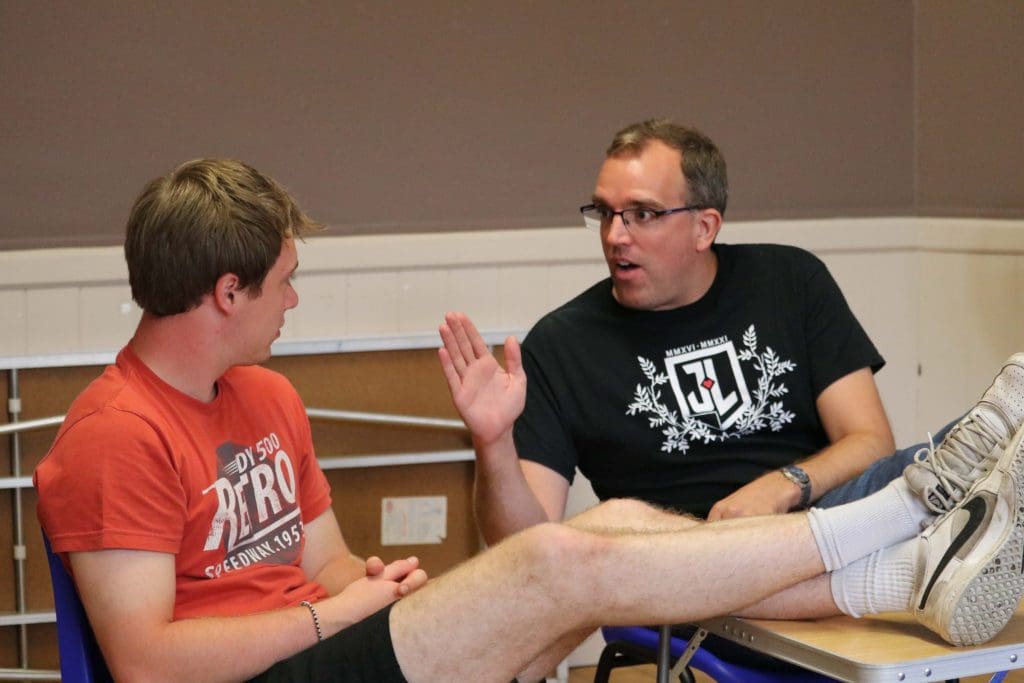
Frankie Bounds’ George Gibbs and Andrew Isherwood’s Mr Charles Webb, right, in discussion in rehearsal for Amerrycan Theatre’s Our Town

“Some have said it is the simplicity of the staging that drives the popularity of this play in a budget-conscious world. Others point out that its popularity in high school and college theatres stems from the training it offers young performers in communicating clearly despite the absence of things.

“Critics of the play assign it to the role of a ‘museum piece’, with nostalgia masking more important discussions of gender inequality, bigotry, or alcoholism that could have been addressed. While there may be some bit of validity to these arguments, they could not possibly account for its ongoing place of honour in theatrical canon.

“The meta-theatricality of the play forces us to focus not on what we see to understand, but on what we perceive. Our minds fill in what is not there based on our experiences. Watching the motions of breakfast being prepared without actual pans or food allows us to recall the sounds, smells, and tastes of our memories. Two ladders can become bedrooms in neighbouring houses on a moonlit night, distracting us from what we should be doing.

“The actors demonstrate their craft, while constantly reminding us that they are actors, and this is a play. Even the points that the critics wish had been addressed remind us this is not a museum, separated from our reality by time and place, but a place with which we can connect.

“At its heart, Our Town puts life on display from birth to death, with all of the wonderful, terrible moments in between, and invites all of us to experience them, reflect on them, and value them in our life and every life.”

REVIEW: The Sound Of Music, Pick Me Up Theatre, Theatre@41, Monkgate, York ****

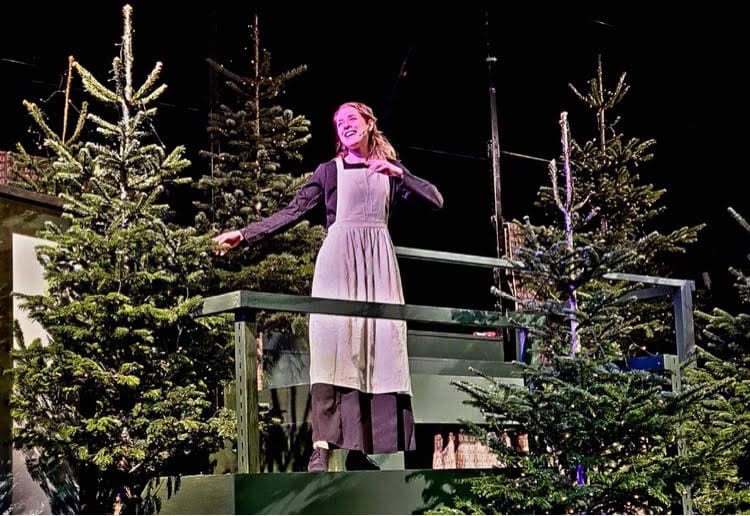
Sanna Jeppsson’s Maria Rainer with the von Trapp children in Pick Me Up Theatre’s The Sound Of Music. All pictures: Helen Spencer

Pick Me Up Theatre in The Sound Of Music, Theatre@41, Monkgate, York, until December 30. Performances: 7.30pm, December 19, 21, 23, 27, 28 and 29; 2.30pm, December 20, 22, 27, 29 and 30. Box office: tickets.41monkgate.co.uk

THIS is Theatre@41’s Christmas show, as signified by the seven fairy-lit fir trees on director-designer Robert Readman’s end-on stage.

Those trees evoke both the hills, alive with the sound of music, and the home, one for each von Trapp child.

However, although it may Christmastide, just as with 1938’s rising tide of Nazism in Austria, the hills and the cities in 2022 are all too alive with intolerance, extremism and anything but music.

James Willstropp: A commanding presence as Captain von Trapp

Rodgers and Hammerstein’s musical was last staged in York by Nik Briggs’s York Stage Musicals in April 2019 at the Grand Opera House on a grander scale. Readman has gone for a more intimate performance, the audience around the perimeter settling into deeply comfy chairs more normally to be found in smart houses, but being confronted by unsettling Nazi insignia, from uniforms to Swastika flags and armbands and a hale of heils. 

This heightens the beauty of the mountain setting, the purity and devotion of the nuns, the love among the children, the goodness of Maria and the resolute political convictions of Austrian naval captain Georg von Trapp, when countered by the strangling grip of Nazism.

It also enhances the pleasure of watching the performers, when so close up, all the better for facial expressions in a musical where song and dance numbers are never more than gather-round family sized in Jessica Sias Wilson’s choreography.

Led by Helen Spencer’s Mother Abbess, the choral singing of the Nonnberg Abbey nuns has a haunting stillness, and even the beloved How Do We Solve A Problem Like Maria? is more driven by the singing than movement. Sister Act, it aint!

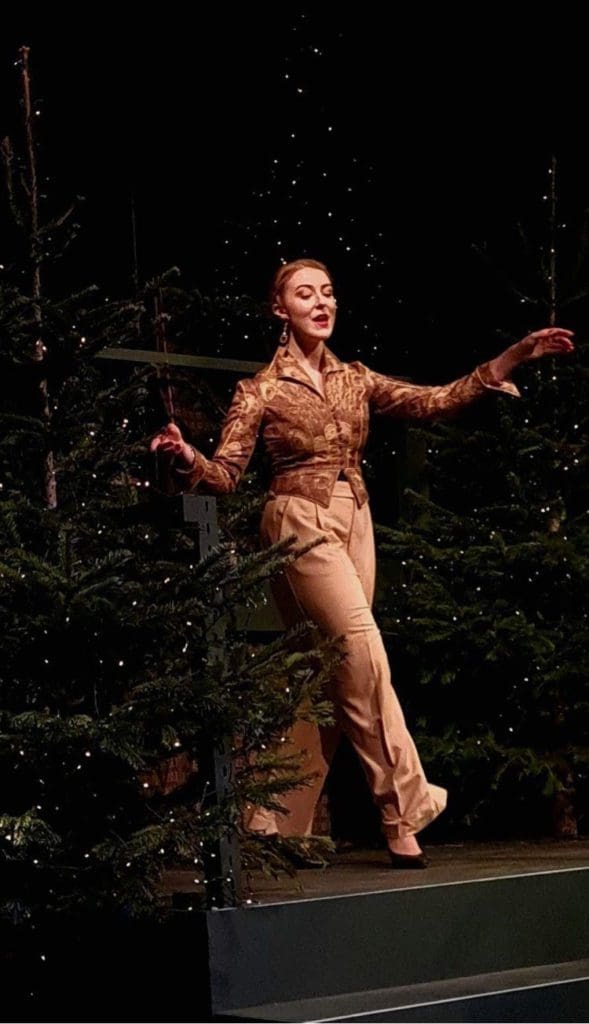
Alexandra Mather’s haughty-but-ice Elsa Schraeder

Spencer’s Climb Ev’ry Mountain, once taken to the chart peak by Shirley Bassey, is sung with heart and matriarchal concern, in keeping with the character, rather than as a showstopper, but is all the more moving for that interpretation.

The two leads could not have been better cast. Since making her York debut  in The 39 Steps in November 2021, Swedish-born Sanna Jeppsson has rapidly ascended the York theatrical circuit, showing diversity, equally adept in comedy and drama, and now revealing her talent for musicals too.

A radiant stage presence, she shines as Maria Rainer, the unsure trainee nun who finds her true calling with the von Trapp children, as the young nanny with nonconformist ideas, bursting with love and kindness, independent, strong-willed thinking, a zeal for nurturing, and a delight in bringing joy, yet we are always aware too that she is learning, as much as they are learning from her.

Her Maria is full of good humour too, her singing uplifting in The Sound Of Music, light, bright and playful in the set-pieces with the von Trapp children, My Favourite Things and Do-Re-Mi.

Sanna Jeppsson’s Maria: “Bursting with love, kindness and independent, strong-willed thinking”

James Willstrop has been making the headlines this year…for his sporting prowess, swishing all before him on the squash doubles court as world champion and Commonwealth games gold medallist, but he has another string to his bow as an actor on the stages of Harrogate and West Yorkshire.

Now he makes his York debut as widowed Captain von Trapp. Tall, commanding, carrying off a suit with an air about him, he begins with righteous austere authority, issuing orders to staff and children alike on his whistle, but warming under Maria’s influence, while never wavering from his bold stance against Nazism.

He has a lovely tenor too, best expressed in Edelweiss, and is handy with strings too, this time the guitar, not the squash racket. Word has it, he is keen to do more with Pick Me Up next year.

Elsa Schraeder might be seen as the female short-straw role, but Alexandra Mather brings more than Viennese airs and graces to the sometime sourpuss, the children’s putative “new mother”. There is ice but shards of haughty humour too, and her operatic voice has crystalline clarity.

Sam Steel’s naïve delivery boy Rolf Gruber

Andrew Isherwood’s “political cockroach” Max Detweiler is dextrous rather than sinister, dapper, flamboyant, peppering his performance with a comic edge more usually to be found in the Emcee in Cabaret.

Daisy Winbolt-Robertson impresses as wilful Liesl von Trapp (a role shared with Emily Halstead), as does Sam Steel as Rolf Gruber, the naïve delivery boy who takes up the Nazi cause (in a role share with Jack Hambleton).

Readman has assembled three sets of von Trapp children (Teams Linz, Graz and Vienna). Saturday night was Team Linz’s turn, and how they excelled, working so delightfully with Jeppsson’s Maria, yet blossoming individually too, especially Poppy Kay’s Brigitta.

Sanna Jeppsson’s Maria dancing with James Willstrop’s Captain von Trapp

Natalie Walker’s five-piece band may be out of sight, behind a screen, but they play their part to the full, those so-familiar songs flying high on flute, trumpet, clarinet, keys and percussion.

Readman and Carolyne Jensen’s costumes are top drawer, from Von Trapp and Detweiler’s suits to Schraeder’s dresses. Look out too for the children’s clothes made out of curtains.

Readman surrounds the audience with tied-back drapes and floral decorations, a typically theatrical flourish to his design, to go with those glittering trees and steps. The lighting signifies each change of tone too.

Plenty of matinees as well as evening performances affords ample opportunity to visit Theatre@41 over the festive season for the best of Readman’s three productions in quick succession (after Matilda The Musical Jr and Nativity! The Musical).

Andrew Isherwood’s Max Detweiler and Alexandra Mather’s Elsa Schraeder

REVIEW: The Coppergate Woman, York Theatre Royal, until Sunday ***

Radiant: Kate Hampson’s Coppergate Woman sees the light in The Coppergate Woman. Picture: : Jane Hobson

THIS is the first York Theatre Royal community play in five years and, more significantly, the first since pandemic restrictions were lifted, although the cloud of Covic hangs all too heavy over Maureen Lennon’s storytelling drama.

There is a sense of relief that we can gather again, perform together, build plays from scratch with faces old and new, but The Coppergate Woman is not a drama suffused with joy until its finale’s promise of a post-apocalyptic green new world.

Such a vision is ushered in with composer and musical director Nicolas Lewis’s most upbeat song, hand claps and all, but given all that is going around us, from higher and higher temperatures to higher and higher living costs and fuel prices, it is sung on a wing and a prayer.

The harsh realities of these times have seen cast members pull out through not being able to afford the travel costs or having to commit to working extra shifts to make ends meet, and therefore no longer being available for the heavy rota of rehearsals.

Ancient meets modern in The Coppergate Woman at York Theatre Royal. Picture: Jane Hobson

That said, community spirit bursts out of the 90 performers and plentiful choir members, as they build on the legacy of Blood + Chocolate (on York’s streets in 2013), In Fog And Falling Snow (at the National Railway Museum in 2015) and Everything Is Possible: The York Suffragettes (by the Minster and at the Theatre Royal in 2017 ).

All three were rooted in York history, and so, to an extent, is The Coppergate Woman, albeit she is as much a woman of mystery as Viking history. Her bones were found in a shallow grave in an excavation by the River Foss and she has since lain encased in glass at Jorvik Viking Centre.

Research revealed she had moved to Jorvik (York) from either South-West Norway or northernmost Scotland, was robustly built, had a pronounced limp from a degenerative joint disorder, consumed a heap of herring in her lifetime and died at 46.

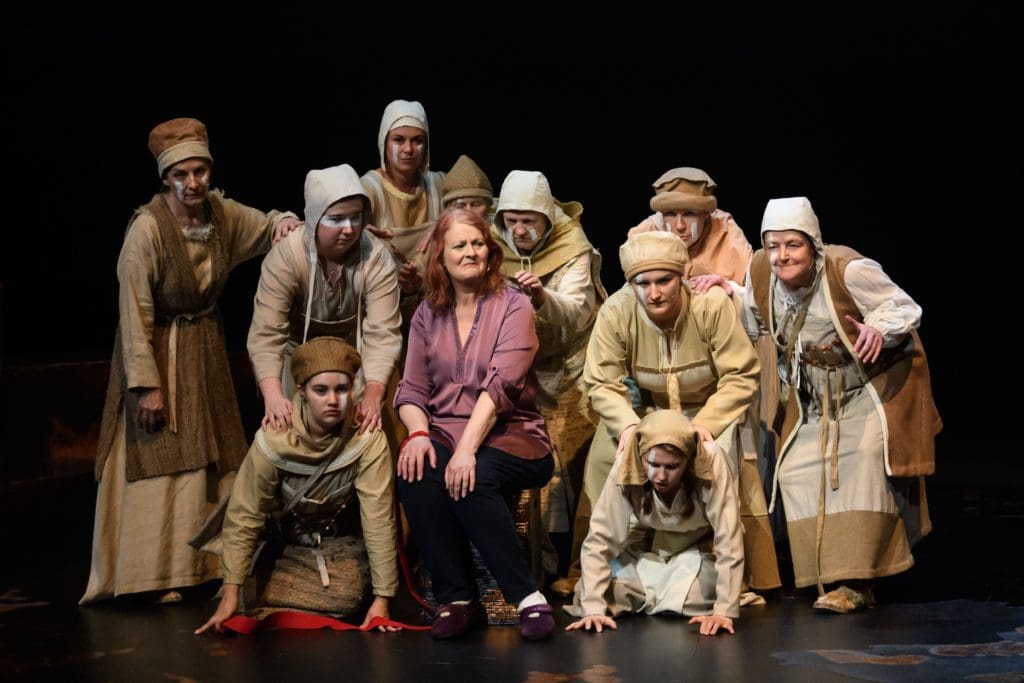
Hull playwright Maureen Lennon’s number one haunt as a child was Jorvik, where she was drawn to those bones and to the model of that woman in blue. Now she puts flesh on those bones, and after the choir, ensemble and assorted principals set the play in motion on Sara Perks’s open-plan, uncluttered set with a backdrop of David Callanan’s audio-visual designs, professional actor Kate Hampson’s Coppergate Woman emerges in her glass case in that familiar blue.

Breakout moment: Kate Hampson’s Coppergate Woman emerges in her glass case. Picture: Jane Hobson

She duly smashes the case – as denoted by the sound of breaking glass and accompanying visuals – and sets about smashing the scientific facts as she re-awakes in modern-day York, charged with uncovering the answers as to why we are where we are.

She was 44, she corrects with a smile, probably a weaver, and now certainly a weaver of stories. Now let’s get down to business. She will be the conduit between past and present in Lennon’s world of myth and modern reality, but first she sets the scene, with a humorous observant eye, one that made your reviewer crave for rather more of this then-and-now contrasting York detail.

Coppergate Woman comments with amusement on Jorvik Viking Centre’s infamous stinking smell, but then sniffs 2022 York air for the first time. It smells of metal, she says, chemicals and cleaned surfaces: a triple-whammy discomfiting reminder of pollution, climate change and Covid.

Later, reference is made to King’s Square now being the place of buskers: another wry observation that plays well to the home crowd filling the Theatre Royal auditorium.

Sigyn (Catherine Edge) catches venom to protect her imprisoned husband Loki (Edward Hammond). Picture: Jane Hobson

Past and present constantly interweave in Lennon’s dense construction as she asks: “In an ever-changing world, how do we hang on to who we are when the grounds are shifting beneath our feet? How do we look forward and rebuild, when the End Times feel ever more real?”

Coppergate Woman sheds the rudimentary clothing to be revealed as a Valkyrie, a shepherd of the dead and dying, a servant of Odin, whose duty is to guide lost souls to the halls of Valhalla. Why? Because Ragnarok is coming, “when the gods will perish, fire will triumph, and only then will the world will rise again, made anew”.

In other words, Hell on Earth is nothing new, as Lennon mirrors four stories of ghastly, grim, abominable Norse legend with torrid tales of toiling, struggling people in York today.

As old gods do battle with new, Lennon favours an epic scale for the past, the world of Odin (Paul Mayo Mason), Frigg (Jessica Murray), Baldr (Andy Williams), thunderous Thor (Andrew Isherwood), cunning Loki (Edward Hammond), wife Sigyn (Catherine Edge) and Fenrir, the wolf (portrayed by a swaying sextet of bodies, superbly choreographed by movement director Xolani Crabtree).

York Theatre Royal creative director Juliet Forster, left, and playwright Maureen Lennon with the model of the Coppergate Woman at Jorvik Viking Centre

Modern York’s stories are more in keeping with soap opera or kitchen-sink drama: from Nicola Wild’s Sarah to Val Burgess’s Nana, Joanne Rule’s Fern to community play debutant Darren Barrott, constantly kicking out in frustration.

The voice of the future, the herald of hope, is young Liv (Hannah Simpson on Wednesday, sharing the role with Ilya Cuthell), driven by her predilection for painting in the rain (and if she didn’t start off with watercolours, they would be by the end).

Lennon does not shy away from the blood and guts of Norse legend, for example Loki being bound in chains made from the stretched entrails of his son. Those entrails are red, a virulent colour motif that runs throughout the play, used to powerful effect both by designer Perks and movement director Lewis.

Hampson, in her belated Theatre Royal debut in the city where she has lived for three decades, leads with a performance that glows: she can be gravely serious, frustrated, questing, comforting, resolute, but also delights in shards of humour and a narrator’s permission to step outside the action.

Hammer to the Thor: Andrew Isherwood enjoys delivering another blow in The Coppergate Woman. Picture: Jane Hobson

Isherwood’s Thor, hair extensions et al, has something of the Marvel comic-book about him; Barrott and Hammond stand out too, but this is a team show, from ensemble to choir, musicians to a multitude of costume makers and the hair and make-up crew.

Hazel Jupp’s costume designs are worthy of a carnival, and praise too for Craig Kilmartin’s lighting and Mike Redley’ sound (making light of having so many voices on stage).

Nicolas Lewis’s largely earnest compositions would benefit from more oomph and greater contrast, characteristics essential to community singing that demands rather more fun and coloratura. Too much had to weigh on that last number.

Directors Juliet Forster and John R Wilkinson pull the strings of such a large-scale enterprise with a passion for community theatre writ large, spectacle aplenty and more than a nod to in-vogue gig theatre. The joy here, however, rests more in that return after five years than in a troubling play for the End of Days that feels a bit of a drag when we need an uplift.

The Coppergate Woman, York Theatre Royal, 7.30pm tonight until Saturday; 2.30pm matinees, Saturday and Sunday. Box office: 01904 623568 or at yorktheatreroyal.co.uk

The end: Composer and musical director Nicolas Lewis, centre, leading the finale to The Coppergate Woman. Picture: Jane Hobson

Black Treacle Theatre to stage York premiere of Nick Payne’s relationship drama Constellations at Theatre@41

Shining a light on their relationship: Andrew Isherwood’s Roland and Jess Murray’s Marianne in Nick Payne’s Constellations

MULTIPLE universes fill the stage when Nick Payne’s hit play Constellations comes to Theatre@41, Monkgate, York, from Thursday to Saturday.

York company Black Treacle Theatre’s cast of Andrew Isherwood and Jess Murray tell the story of Roland and Marianne’s relationship.

Each scene, such as the first meeting, the first date and breaking up, unfolds in several different ways, showing how nothing is necessarily ‘meant to be’, not least a crisis that could mean the end of their time together.

Jess Murray and Andrew Isherwood in rehearsals for Constellations

In the spirit of films such as Groundhog Day and Sliding Doors, Payne’s 70-minute play mixes comedy and pathos as it asks big questions about what our ‘other lives’ might look like, in a universe that may be ultimately random.

Named as one of the 50 best plays of the 21st century by the Evening Standard, Constellations was revived in the West End, London, last year to great acclaim.

Director Jim Paterson says: “Constellations tells a very simple story – classic boy-meets-girl in a lot of ways – but the way it’s written gives this a totally fresh spin. You really care about these characters and their relationship, from the warm and funny moments to the potential for heartbreak and loss.

Black Treacle Theatre’s poster for Constellations at Theatre@41, Monkgate, York

“After the last two years, it feels very timely to stage this play, as many of us are grappling with questions about purpose and direction, and what other paths life might have taken, if not for the pandemic. Our time is finite and, as this play shows, there are so many possibilities open to us.”

Paterson is joined in the production team by designer Zoe Paterson and lighting designer Neil Millar.

Constellations runs at Theatre@41, Monkgate, York, from March 3 to 5, 7.30pm and 2.30pm Saturday matinee. Box office: tickets.41monkgate.co.uk.
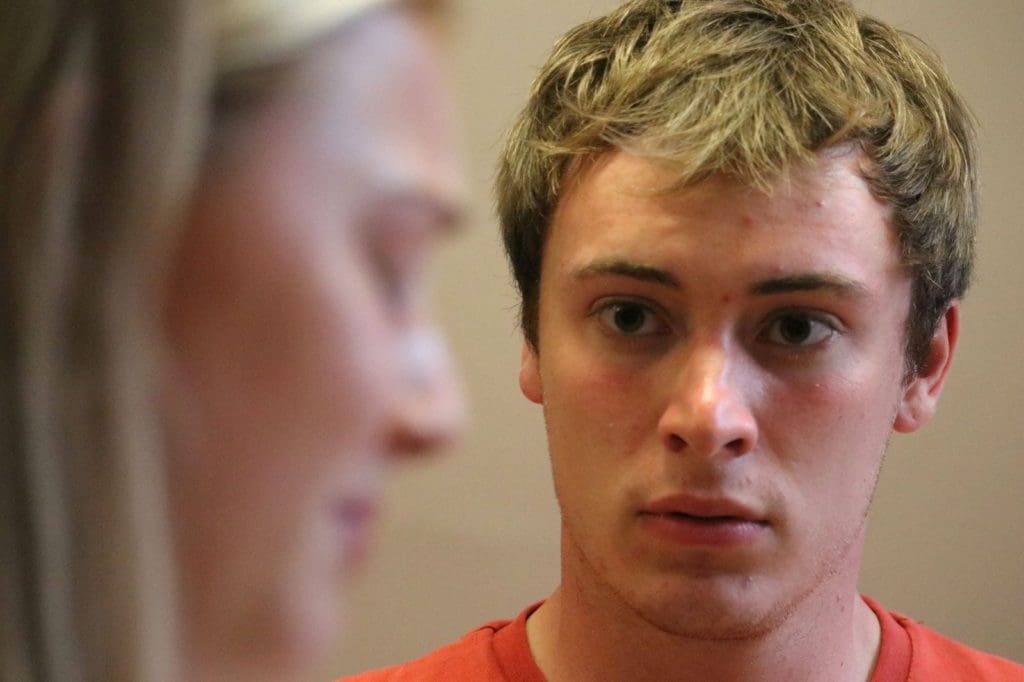
Andrew Isherwood as Roland in Constellations

Fladam and their friends are up for a Saturday musical comedy hootenanny

Fladam musical comedy duo Florence Poskitt and Adam Sowter

PUT York actors Florence Poskitt and Adam Sowter together and they become Fladam, a musical comedy duo with a regular radio slot and a live show coming up at Theatre@ 41, Monkgate, York.

Make that two shows: Fladam and Friends’ Musical Comedy Hootenanny! will be performed at 2.30pm and 7.30pm on Saturday (20/11/2021).
Devotees of York’s musical theatre and theatre scene will be familiar with Florence, northern character actress, comic performer, singer, dancer and multi-instrumentalist, and Adam, character actor, comic performer, pianist, harmonica and ukulele player, singer, composer, comedy songwriter and cartoonist.

A couple both on and off stage, they have branched out into presenting their own heartfelt, humorous songs, tackling the topical with witty wordplay, uplifting melodies and a dash of the Carry On! comic spirit.

“After our (almost) live debut at York Theatre Royal in the Love Bites nights in May, we’re coming home to host our very own Musical Comedy Hootenanny,” they say. “Enjoy special guests, fabulous Fladam originals and comic classics from Morecambe & Wise, Bernard Cribbins and Victoria Wood. What are you waiting for? ‘Let’s do it’!”

Fladam has progressed from bedroom to stage. “This is our first full-scale live show,” says Adam. “We’ve gone from recording videos of songs on phones from the corner of our bedroom in lockdown to doing it live, first with one number at Love Bites and now this show with friends.”

“With nowhere to rehearse, we’re rehearsing in the kitchen, to my parents’ delight,” says Florence.

Each Saturday, at 12.45pm, Fladam can be heard on Harry Whittaker’s show on BBC Radio York. “The challenge is to write a topical new song each week, recording it with an introduction, and sending it in on an MP3,” says Adam. “Simple as that!”

Fladam’s poster for Saturday’s shows at Theatre@41, Monkgate, York

When Fladam met up with CharlesHutchPress, Adam and Florence had just spent half-term at Eureka!, the National Children’s Museum, in Halifax. “We spent a week being pirates, playing Captain Jack and Polly Roger in our Pirate Adventure,” says Florence.

“It came about through the company I work with when I do cruise ships,” says Adam. “They have many pies in the oven, including at Eureka!, where last year I played a vampire, Count Dracula, and they asked me, ‘Do you want to do another show?’ for half-term week.”

Yes, he would, albeit with only one day’s rehearsal with Florence. “We did the show four times a day, half an hour each show, starting with me doing a monologue, and by the Thursday my voice  had gone, so Adam had to go on and improvise!” says Florence, who studied last year on a year-long “Project A” course, run through Newcastle Theatre Royal, that ended up being conducted largely on Zoom under Covid restrictions.

“Though we did also get a lot of lessons on the main stage, wearing masks, as no productions could take place on there, but we couldn’t put on a single live show during the course.”

Now, Florence has a new day job at York Gin’s shop in Pavement, as well as her Fladam commitments, joined by three friends for this weekend’s shows: Alexandra Mather, fresh from playing Pamina in York Opera’s production of Mozart’s The Magic Flute; Andrew Isherwood, one of the Clowns in York Settlement Community Players’ illness-curtailed run of The 39 Steps last week, and Andrew Roberts, who starred in Rowntree Players’ modern account of Agatha Christie’s Spider’s Web in late-September.

“When we were doing our little videos, we did a Dad’s Army section for VE Day, and had Andrew Roberts and Alex involved in that,” says Adam.

“Andrew Isherwood does a very good Tom Lehrer, as well as being like Eric Morecambe meets Rik Mayall.”

What’s in store on Saturday? “We’ll be doing plenty of comedy covers as well as our own songs, where we’ll plunder our archives and stuff we’ve done for Harry’s radio shows,” says Florence.

Adam Sowter, Florence Poskitt and Alexandra Mather in rehearsal for Saturday’s Fladam & Friends’ Musical Comedy Hootenanny!

“We’ll be paying tribute to people who’ve inspired us, like Bernard Cribbins, Morecambe & Wise, George Formby, Victoria Wood and Monty Python…and maybe there’ll even be some puppets! Well, definitely a fish puppet, Mr Fish, for our spoof children’s show number.”

Adam adds: “One of the things we have to do is look at the old songs through 2021 eyes, acknowledging that a song is of its time, so we have to be a bit ‘woke’, like with Monty Python’s Lumberjack Song.

“Our set will be like a 1970s’ television special, with one side of the stage being like Eric and Ernie’s flat, and the show itself will be more like our little fantasy (as if you were watching Morecambe & Wise).

“Morecambe & Wise’s humour is so warm and lovely, and our style of humour is gentle too; we like to do songs that are clever and make you smile at the same time.”

Look out for a pantomime finale. “We’ll do a little pantomime from the songs we’d written for a panto last year that ended up being on a podcast, because of the Covid lockdown, after we were contacted to do a charity pantomime,” says Florence, who played Tommy the Cat, from Dick Whittington, while Adam played a full-of-beans Jack.

What is in the pipeline for Fladam in 2022? “We’ll see how this show goes and then look to develop it, possibly with a view to taking it to the Edinburgh Fringe next year, or maybe the year after, after we first planned to go to the Fringe two years ago, until Covid stopped that,” says Florence.

“We’re also looking to perform at At The Mill  at Stillington Mill, which we’d really love to do.”

Fladam and Friends’ Musical Comedy Hootenanny!, Theatre@41, Monkgate, York, November 20, 2.30pm and 7.30pm. Box office: tickets.41monkgate.co.uk.