REVIEW: The Woman In Black, Grand Opera House, York, until Saturday *****

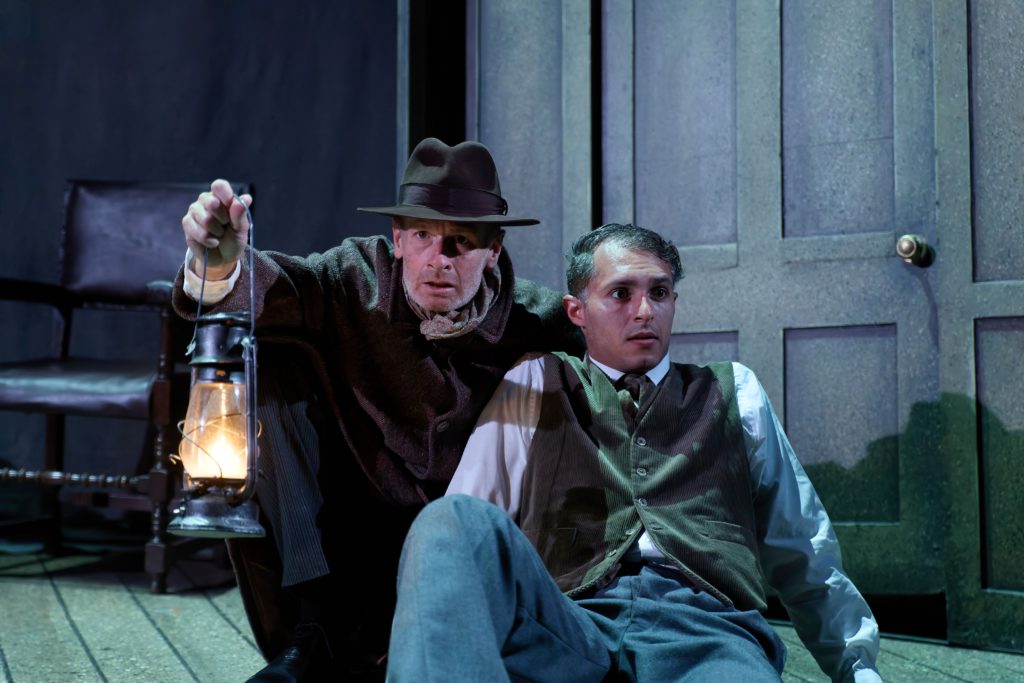
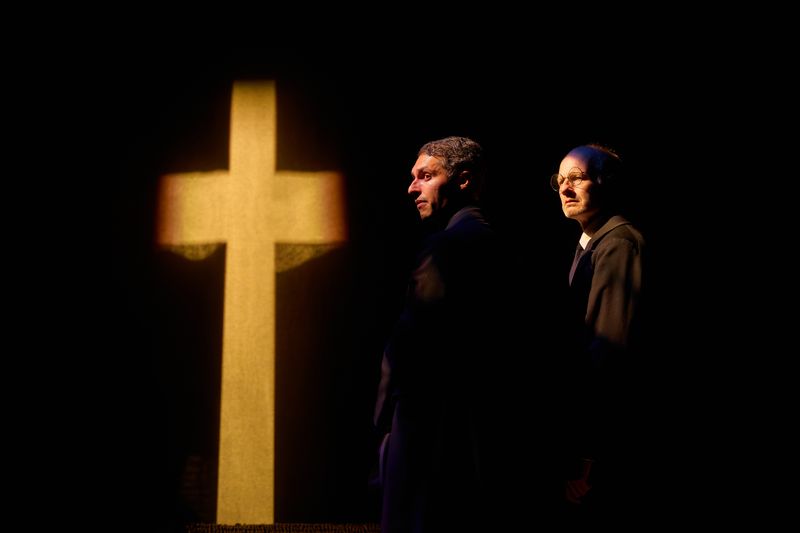
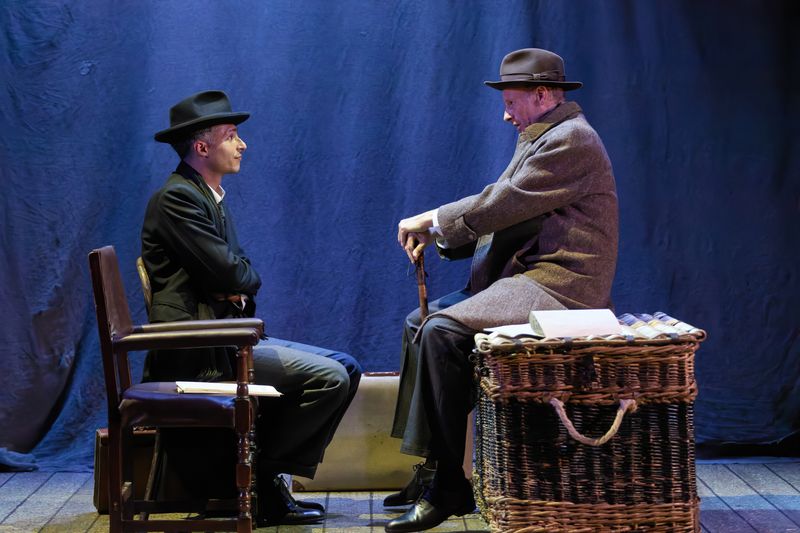
Daniel Burke, left, and John Mackay in the funeral scene in The Woman In Black. Picture: Mark Douet

IN the Dress Circle at Tuesday’s press night were assembled rows of Year 9 pupils, all studying The Woman In Black. They talked with bravado of not screaming, albeit some with more conviction than others.

Your reviewer, a veteran with many years’ service to watching Stephen Mallatratt’s meta-theatrical adaptation of Scarborough novelist Susan Hill’s ghost story, struck up conversation with the excited students, predicting that boisterous ghost bluster would make way for shrieks by the fright night’s denouement.

Sure enough, their reactions would alter once the early humour faded away, consumed by the gravest, ghostly, ghastly deeds in the fog and murk of Eel Marsh House, the remote mansion haunted by the hollow-faced spectral figure of the title.

No matter how often The Woman In Black plays its cards, it can still surprise, startle, jolt and, yes, scare beyond shredded nerves, such is the adroit sleight of hand of Robin Herford, still directing the show, as he first did in a pub setting at the Stephen Joseph Theatre, Scarborough, in December 1987.
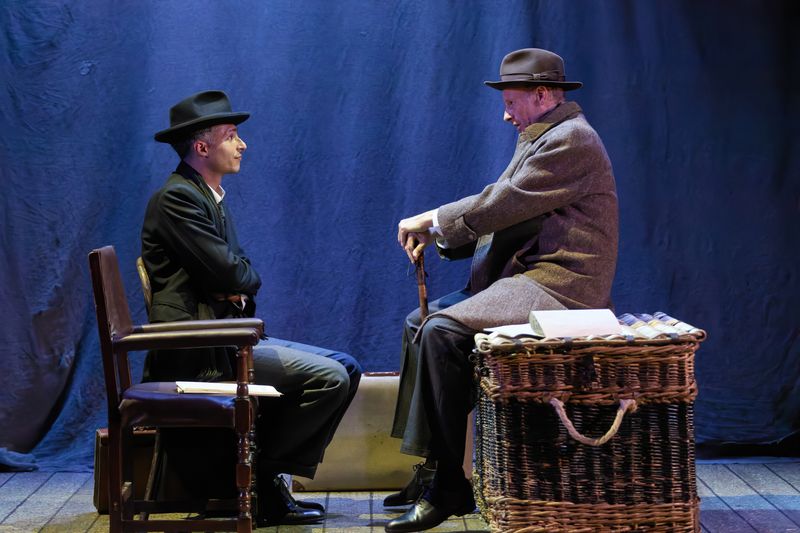
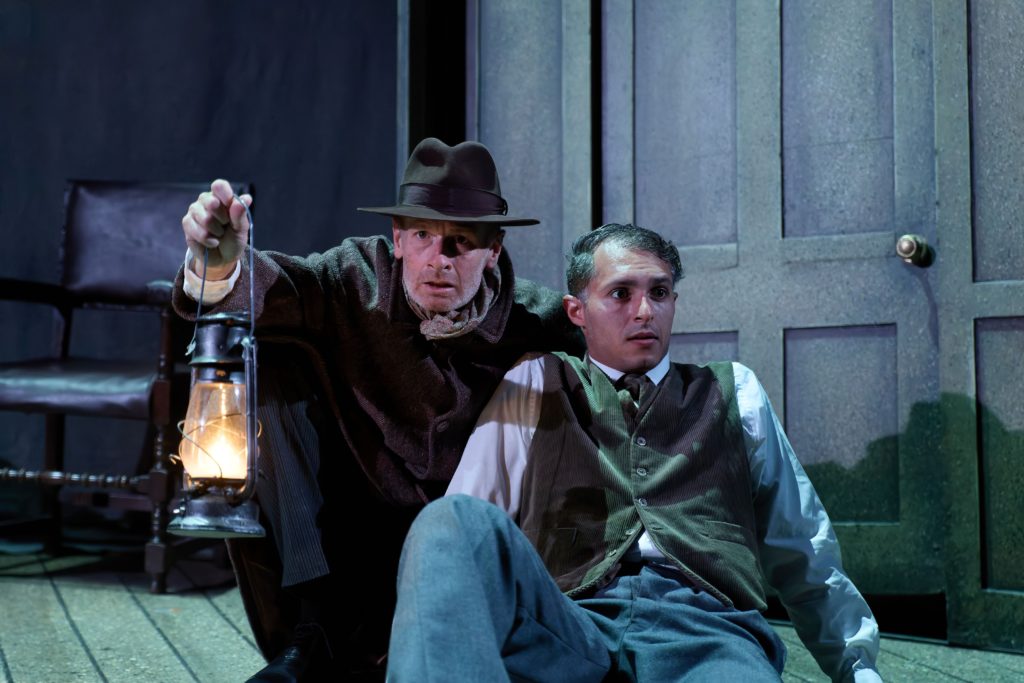
Train of thought: Daniel Burke and John Mackay in a travelling scene in The Woman In Black. Picture: Mark Douet

Returning once more to the Grand Opera House – home to its own story of a resident ghost who greets new members of staff by name on first acquaintance in the auditorium – The Woman In Black is a celebration of the unrivalled power of theatrical storytelling, invention and the imagination, as much as the British love of chills, thrills and spills.

Like buses on a good day, another one will be coming around the corner soon in the form of Danny Robins’s 2:22 A Ghost Story from March 30 to April 4, a smart invader from modern-day London wrapped inside a state-of-the-nation character study that first played York in May 2024.

The Woman In Black is of an earlier vintage, a place of hats and overcoats, a pony and trap, worn briefcases, piles of faded papers and a rocking chair, where, as ever, “the action takes place in this theatre in the early 1950s”.

The Grand Opera House’s plush velvet design is ideal for Mallatratt’s theatrical conceit of a play within a play staged in a  disused theatre within a theatre, in which Michael Holt’s gauze set enables the stealthy revelation of a shadowy, creaking stairwell, deathly cold dark passages, a large locked door and, most disturbingly, a child’s bedroom with toys and clothes untouched from 50 years ago.
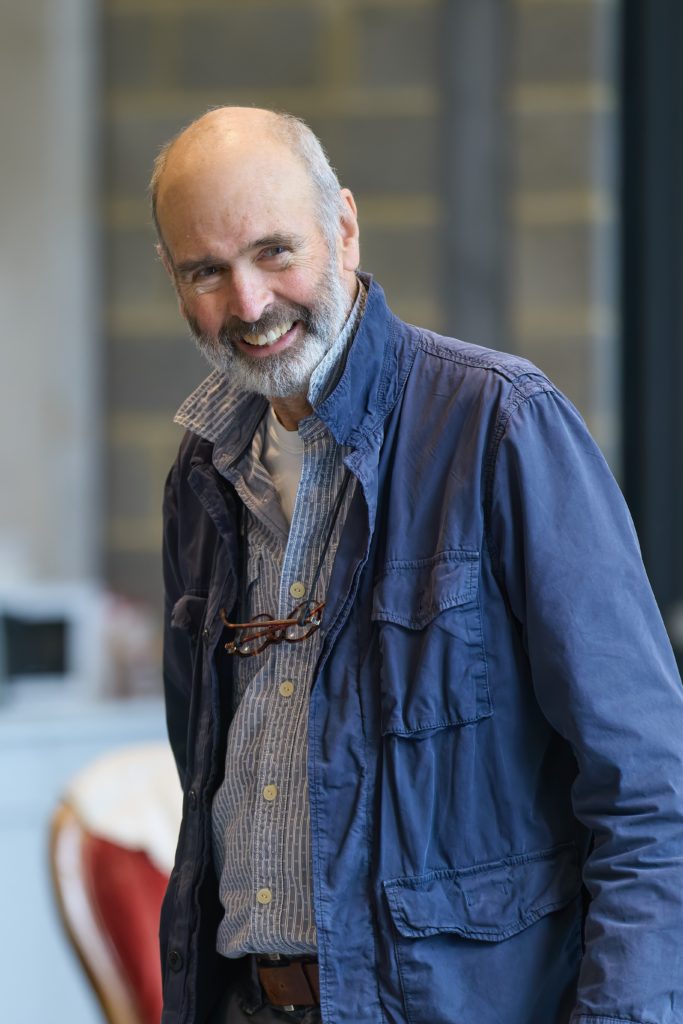
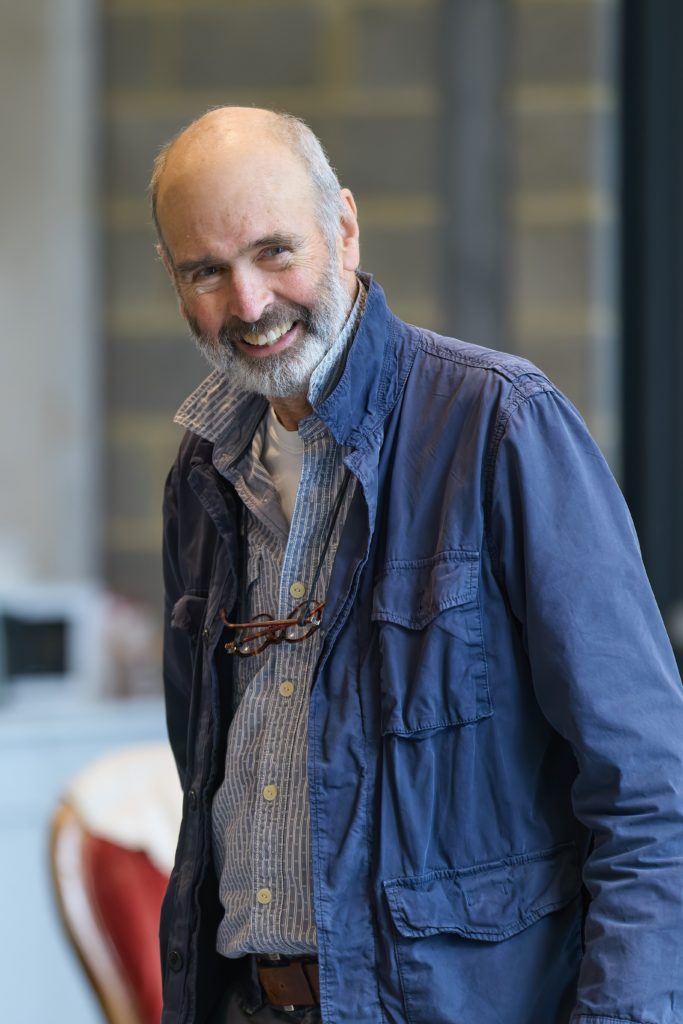
The Woman In Black director Robin Herford. Picture: Mark Douet

Rod Mead’s sound design, orchestrated on tour again by Sebastian Frost, wraps itself around all corners of the auditorium to keep the audience on alert, aided by the ironically named Kevin Sleep’s light design that cranks up the tension, changing suddenly to leave  you wondering restlessly where the Woman In Black might next appear, with no escape from her cape.

As ever, the casting for what is essentially a two-hander (save for the ghostly Jennet Humphrey’s interventions) is as key to the time-honoured production’s success as all the theatrical effects.

John Mackay, as stultified, haunted lawyer Arthur Kipps, and Daniel Burke, as The Actor he hires to tell his story, are a double act in theatre’s best traditions, as adept at storytelling as light humour and then darkening horror as Kipps seeks to exorcise the fear that has burdened his soul for so long, to end the curse on his family.

“For my health, for reason”, his story must be told, he says, and with the help of Burke’s boundlessly enthusiastic Actor, on the wings of imagination, his rambling book of notes will become a play so powerful that it no longer feels like a play, but an all-consuming reality destined to play out forever.
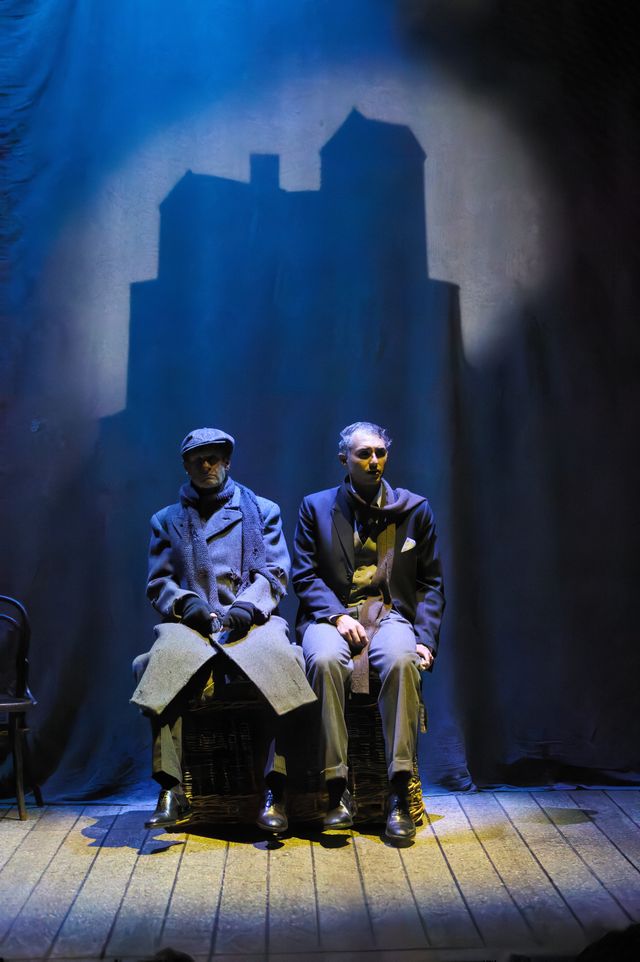
In the gloom of Eel Marsh House, John Mackay, left, and Daniel Burke play out a scene on a pony and trap. Picture: Mark Douet

The Actor becomes Kipps, the young solicitor sent to attend to the isolated, wretched English marshland estate of the newly dead Alice Drablow, while Mackay’s Scottish-toned Kipps, once he sheds his stage novice reserve, takes on all manner of roles, from narrator, hotel host and taciturn pony-and-trap driver, to an even more haunted old solicitor and wary landowner.

All the while, Kipps is ever more traumatised by his fears rising anew, and likewise Mallatratt applies the cunning skills of of a magician as the drama within takes over from the act of making it, while simultaneously glorying in theatre, dapper acting skills and the abiding appeal of a ghost story (especially in York, with its multitude of ghost walks) .

No need for high-tech special effects, this is old-fashioned theatre-making, where the terrifying theatrical re-enactment is applied with only two chairs, a stool, a trunk of papers, a hanging rail of costume props, dust sheets over the stage apron and a theatre curtain as frayed as everyone’s nerves by the end, an ending full of eternal foreboding. Welcome back, The Woman In Black.

PW Productions in The Woman In Black, Grand Opera House, York, until Saturday, 7.30pm plus 2.30pm Thursday and Saturday matinees. Box office: atgtickets.com/york.
Daniel Burke on art of playing The Actor in The Woman In Black at Grand Opera House

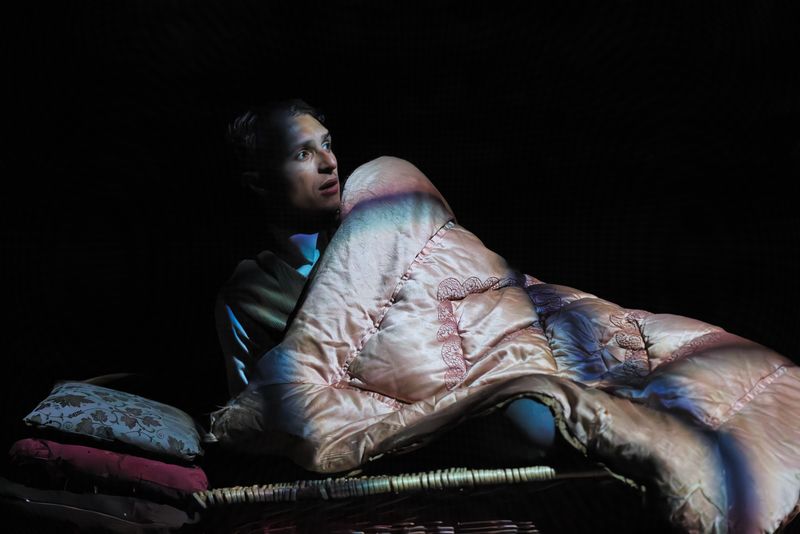
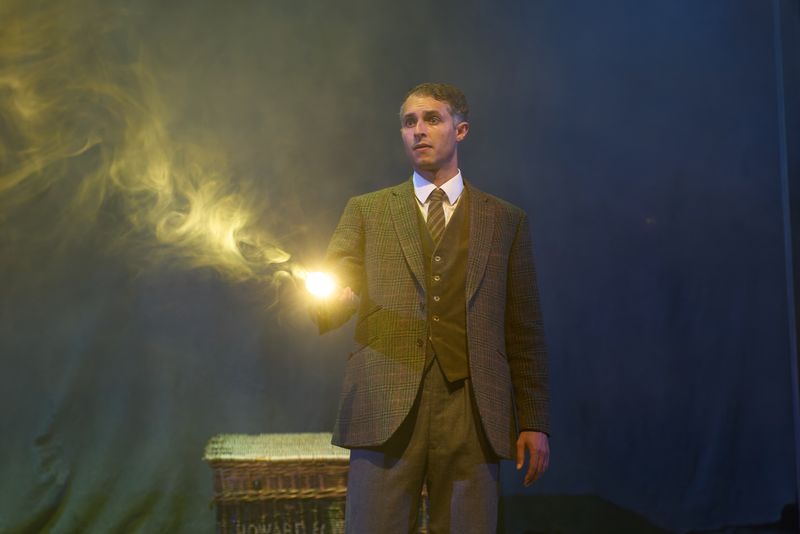
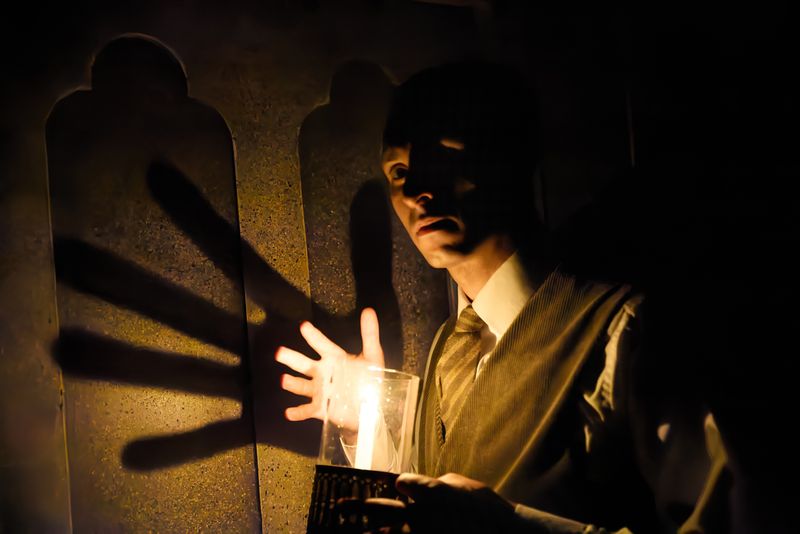
Shadow play: Daniel Burke as The Actor in The Woman In Black. Picture: Mark Douet

FIRST staged in a pub setting in 1987 by the Stephen Joseph Theatre in Scarborough, Stephen Mallatratt’s adaptation of Susan Hill’s ghost story The Woman In Black returns tonight to the Grand Opera House, York, two years to the month since its last visit.

Elderly lawyer Arthur Kipps (played by John Mackay) is obsessed with a curse he believes was cast over his family by the spectre of a “Woman in Black” 50 years ago. Whereupon he engages a sceptical young actor (Daniel Burke’s The Actor) to help him tell his terrifying story and exorcise the fear that grips his soul, but as they delve into his past, the boundaries between fiction and reality begin to blur. 

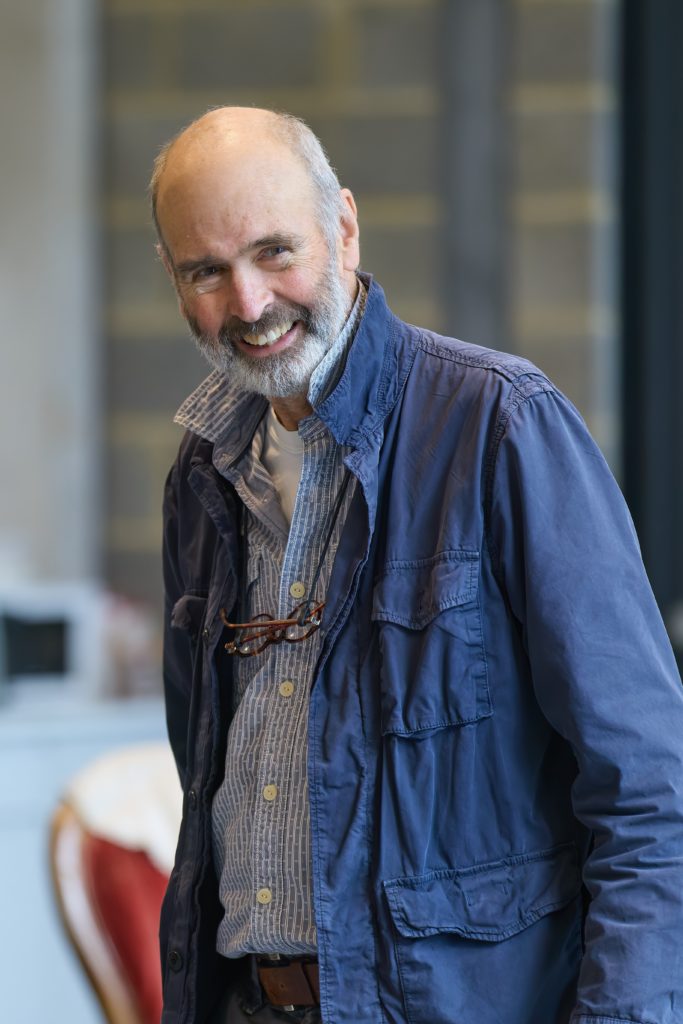
“It will be my first time performing in York,” says Daniel. “Though I did come up here in 2019 to rehearse with Shakespeare’s Rose Theatre in a big tent in a shopping-centre car park [more precisely the specially constructed rehearsal village at the York Designer Outlet, where eight productions were knocked into shape].

“I went down to Blenheim Palace for the summer to play Paris in Romeo And Juliet and multi-rolled a few smaller roles in Richard III.”

Daniel Burke’s The Actor with John Mackay’s Arthur Kipps in The Woman In Black. Picture: Mark Douet

Daniel first auditioned for The Woman In Black a couple of years ago. “It didn’t go my way but Robin [director Robin Herford] kept me in mind,” he says. “I’d first auditioned with a self-tape, but this time I auditioned in person with Robin last June, when I was doing a production of  The Girl On The Train (which came to Sheffield Lyceum Theatre and later Leeds Grand Theatre).

“The contract was rubber-stamped in mid-June, but I had to miss the first week of rehearsals when I was finishing the tour, so it was only three weeks for me, four for John, with the associate director [Antony Eden] filling in for me in the first week.

“He’s worked with Robin for many years and is as familiar with the play as Robin is – he’s played both parts and he’s directing a tour that’s happening in the USA this year.”

Three weeks may look a short lead-in to a two-hander, but Daniel says: “By the time we got to the end of my third week with John, we’d reached the point where we felt we really needed an audience.”

Director Robin Herford in rehearsal for The Woman In Black. Picture: Mark Douet

The tour opened at the Storyhouse, in Chester, in late-September last year for an itinerary that resumed after a Christmas break at Darlington Hippodrome last week.

“I hadn’t ever seen the play, and John hadn’t either, so I think Robin was pleased to work with two actors who were completely fresh to it,” says Daniel. “He knows it so well from directing it and from playing both characters numerous times that he found it refreshing to have actors new to the story as we asked new questions that Robin wouldn’t have heard before.

“Our production has developed really well; John is a lovely man to work with and he’s a very funny man too. It’s such an intense piece, where it’s beneficial if you can find some light to bring into the room.

“We found our rhythm organically on tour, and that’s especially important to my character, as he’s trying to convince Kipps to go with his idea, but once it gets rolling, you can really go along for the ride.”

Fright night: The Actor (Daniel Burke) in The Woman In Black. Picture: Mark Douet

Daniel has thrived on the experience of putting a production together with such an experienced director. “Robin was very open to our suggestions. He had his ideas of what direction he wanted to go, but then sometimes you could have an idea for a scene or you might ask about the logic of why a character was doing something, when every so often you would need clarification, and we would try new ideas, and if they worked, he would incorporate them.”

In creating his version of The Actor, “Robin led me down the line of him being quite a successful young actor, who had played the young romantic leads that were available to him,” says Daniel.

“Robin steered me to go that way, and that was my instinct as well because The Actor has a lot of positive energy, thinks on his feet and sees Arthur as someone he can help but also maybe as one of the trickiest characters he’s had to deal with, but he sees that as a challenge rather than as a problem.”

The Woman In Black is proving as enjoyable to perform as Daniel could have wished. “It’s a good challenge and it’s very enjoyable, and when it’s a two-hander you can’t pop to your dressing room for a breather, so the audience is really getting its money’s worth. I’ve done other rewarding roles, but this is the one where you’re involved all the time,” he says.

Daniel Burke (The Actor) in an enlightening moment in The Woman In Black. Picture: Mark Douet

“There’s also a big old human element to it, as it’s a sad story, not only for Arthur but also for the ghost, the Woman in Black, Jennet Humfrye, and you hope that the audience will walk away afterwards feeling sympathetic for Jennet as well as for Arthur.

“There was this attitude towards women who were pregnant out of wedlock and found themselves abandoned by family, and on top of that losing a child, and then that spirals into madness. I think that makes  a ghost story better than if it’s just a horrible, evil spirit.

“It adds a layer of complexity to the story that become a lot more effective and satisfying, both for the audience and the actors playing it.”

PW Productions present The Woman In Black, Grand Opera House, York, tonight to Saturday, 7.30pm plus 2.30pm Thursday and Saturday matinees. Box office: atgtickets.com/york.
Daniel Burke

Daniel Burke: back story

DANIEL’S theatre credits include UK Tour of The Girl On The Train, Troilus And Cressida for
Royal Shakespeare Company, and Imperium Part I and Part II, for RSC and at Gielgud Theatre, West End, London.

Also appeared in Bang Bang at Exeter Northcutt Theatre and on UK tour; Romeo And Juliet and Richard III, for Shakespeare’s Rose Theatre, Blenheim Palace; Hamlet, Richard II and Romeo And Juliet for Guildford Shakespeare Company; The Comedy Of Errors, at Mercury Theatre, Colchester; Love All, Jermyn Street Theatre; A Midsummer Night’s Dream and The Great Gatsby, Storyhouse’s Grosvenor Park Open Air Theatre; The Circle, Theatre Royal Bath and UK Tour.

Television credits include The Witcher for Netflix and Lord Of The Rings Rings Of Power for Amazon Prime.

What’s On in Ryedale, York and beyond. Hutch’s List No. 2, from Gazette & Herald

Lawyer Arthur Kipps (John Mackay) and The Actor (Daniel Burke) in The Woman In Black, on tour at the Grand Opera House, York, from January 13

IN his second guide to the New Year, Charles Hutchinson picks out upcoming highlights on January’s calendar and beyond.

Ghostly return of the week: The Woman In Black, Grand Opera House, York, January 13 to 17, 7.30pm plus 2.30pm Thursday and Saturday matinees

FIRST staged in 1987 in a pub setting by the Stephen Joseph Theatre, Scarborough, Stephen Mallatratt’s adaptation of Susan Hill’s ghost story The Woman In Black returns to the Grand Opera House two years to the month since its last visit.

Elderly lawyer Arthur Kipps (played by John Mackay) is obsessed with his belief that a curse has been cast over his family by the spectre of a “Woman in Black” for 50 years. Whereupon he engages a sceptical young actor (Daniel Burke’s The Actor) to help him tell his terrifying story and exorcise the fear that grips his soul, but the boundaries between fiction and reality begin to blur. Box office: atgtickets.com/york.

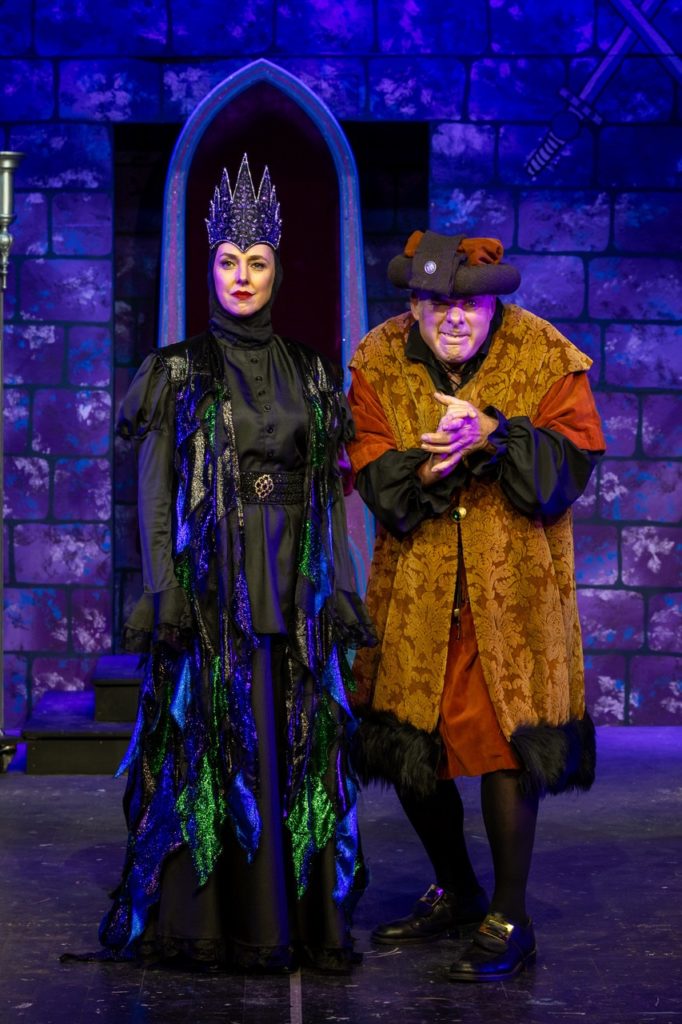
Paula Cook’s Queen Lucrecia and John Brooks’s scheming Chamberlain in Pickering Musical Society’s Snow White at Kirk Theatre, Pickering. Picture: Robert David Photographer

First Ryedale panto of the New Year: Pickering Musical Society in Snow White, Kirk Theatre, Pickering, January 14 to 25, 7.15pm, except January 19; 2.15pm, January 17, 18, 24 and 25  

DIRECTED for the tenth year by resident director Luke Arnold and scripted by Ron Hall, Pickering Musical Society’s 2026 pantomime blends familiar faces with new turns, led by Alice Rose as Snow White in her first appearance since Goldilocks in 2018.

Local legend Marcus Burnside plays Dame Dumpling alongside mischievous sidekick Jack Dobson as court jester Fritz, his first comedic role. Company regular Courtney Brown switches to comedy too as Helga; Paula Cook turns to the dark side in her villainous debut as Queen Lucrecia; Danielle Long is the heroic Prince Valentine, John Brooks, the scheming Chamberlain and Sue Smithson, Fairy Dewdrop. Box office: 01751 474833 or kirktheatre.littleboxoffice.com.

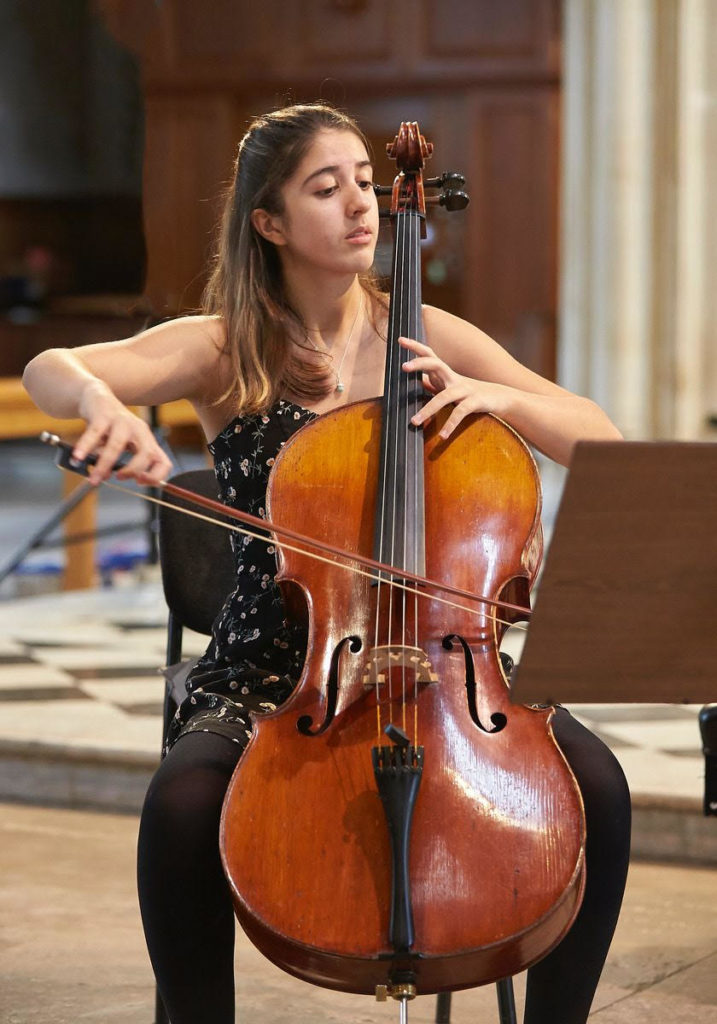
Cellist Eloise Ramchamdani

Dementia Friendly Tea Concert of the week: Eloise Ramchandani and Robert Gammon, St Chad’s Church, Campleshon Road, York, January 15, 2.30pm

ELOISE Ramchandani gives an all Saint-Saëns cello recital, accompanied by pianist Robert Gammon. The 45-minute programme includes the well-loved The Swan, lively Allegro Appassionato and beautiful Cello Concerto No. 1.

Ideal for those who may not feel comfortable at a formal classical concert, the relaxed recital will be followed by tea, coffee and homemade cakes in the church hall. Seating is unreserved; no charge applies but donations are welcome.

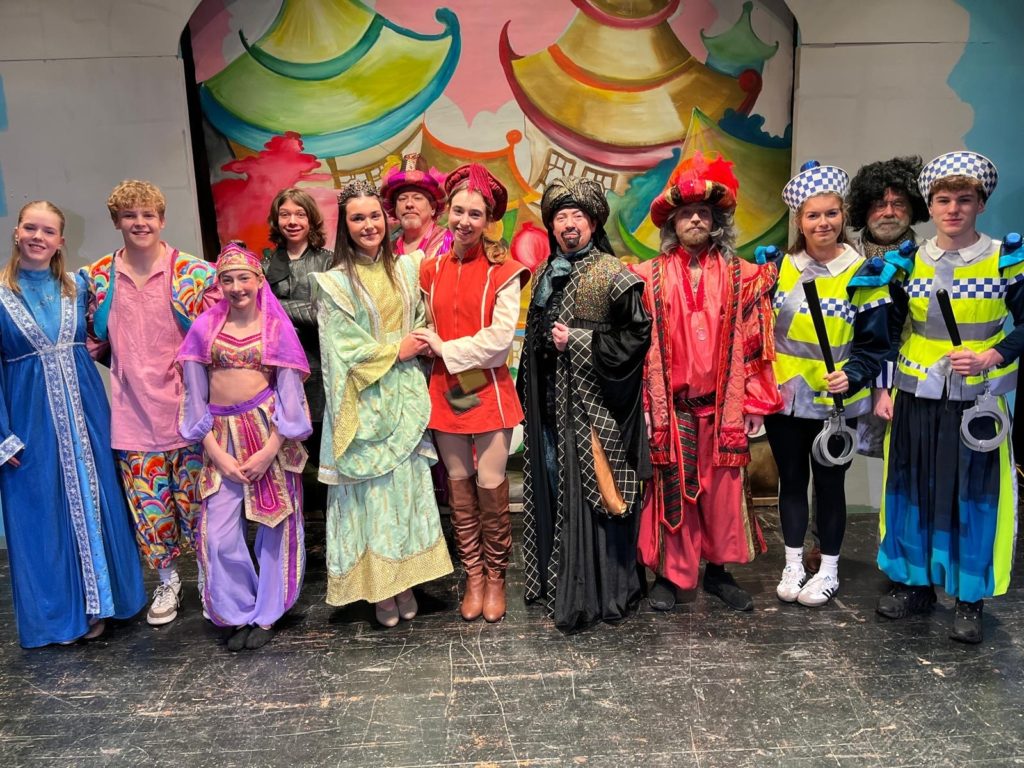
Malton and Norton Theatre’s principal cast for Aladdin – The Pantomime: left to right, Amelia Little (So-Shy); Tom Gleave (Wishee Washee); Annabelle Free (Spirit of the Ring); Alexander Summers (Executioner); Isobel Davis (Princess Jasmine); Mark Summers (Genie of the Lamp); Harriet White (Aladdin); Harry Summers (Abanazar); Thomas Jennings (The Emperor); Evie-Mae Dale (Sergeant Pong); Malcolm Tonkiss (Mangle Malcolm) and Jack Robinson (PC World)

Second Ryedale pantomime of the New Year: Malton and Norton Musical Theatre in Aladdin – The Pantomime, Milton Rooms, Malton, January 17, 1.30pm, 5.15pm; January 18, 2pm; January 20 to 23, 7.15pm; January 24, 1pm, 5.15pm

BETWIXT York roles in York Shakespeare Project’s The Spanish Tragedy and Black Treacle Theatre’s Anne Boleyn, Harry Summers continues to corner the market in dark, dramatic and deliciously boo-worthy roles as wicked magician Abanazar in Malton and Norton Musical Theatre’s Aladdin.

Fresh from his villainous scene-stealing in The Spanish Tragedy, Thomas Jennings plays the Emperor, insisting he is “one of the good guys”, even if his idea of good includes execution and arranged marriages. Further principal players in the mystical land of Shangri-La include Harriet White’s Aladdin, Isobel Davis’s Princess Jasmine; Rory Queen’s dame, Widow Twankey, Tom Gleave’s Wishee Washee, Mark Summers’ Genie of the Lamp and Annabelle Free’s Spirit of the Ring. Box office: 01653 696240 or themiltonrooms.com.

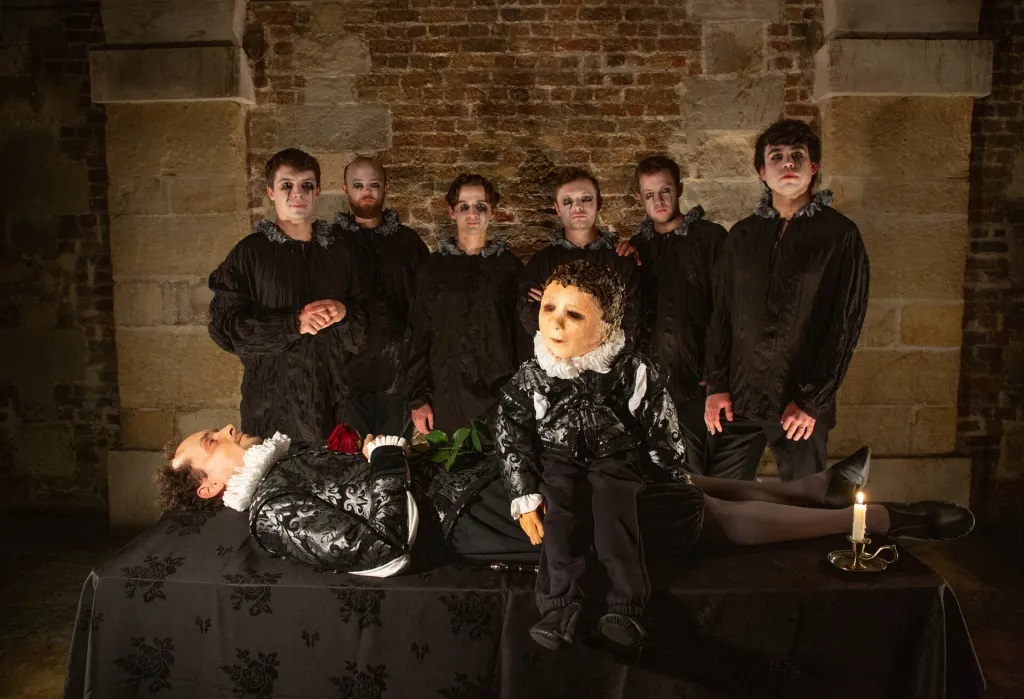
Death Of Gesualdo: The Gesualdo Six and Tableaux Vivants in tandem at NCEM, York

World premiere of the month: Death Of Gesualdo, The Gesualdo Six with Tableaux Vivants, National Centre for Early Music, York, January 18 and 19, 6.30pm

THE Gesualdo Six reunite with director Bill Barclay for this daring successor to international hit Secret Byrd. Featuring six singers, six actors and a puppet, Death Of Gesualdo creates living tableaux that illuminate the life and psyche of madrigalist Carlo Gesualdo, a tortured genius most famous for murdering his wife and her lover in an explosive fit of jealousy, but revered among composers for anticipating chromaticism by 200 years.

This is the boldest look yet at how the life and sometimes chilling music of this enigmatic prodigy must function together for the true Gesualdo to emerge from the shadows. Box office: 01904 658338 or ncem.co.uk.

Grace Petrie: No time for panicking at The Crescent, York. Picture: Fraser West

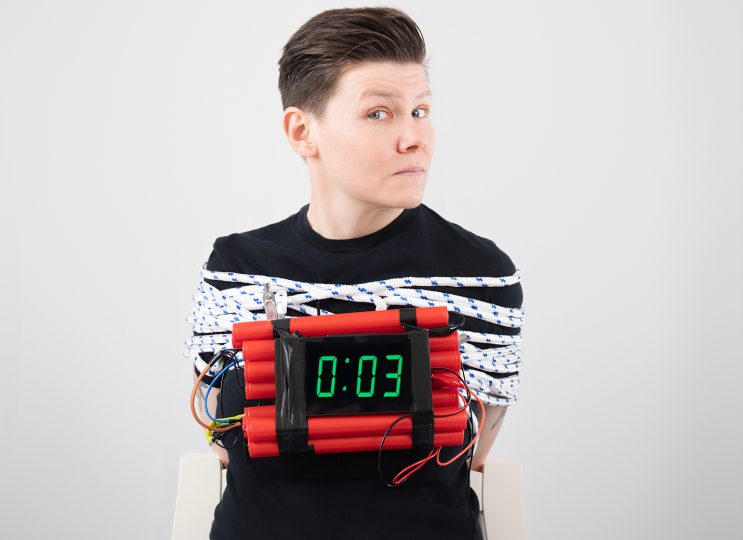
Comedy-folk combination of the month: Little Wander and Say Owt present Grace Petrie, This Is No Time To Panic!, January 18, The Crescent, York, 7.30pm

DO you like protest songs? Neither does Grace Petrie – and she has been singing them for 15 “politically disastrous” years. No longer able to meet the desperate hopes of left-wing audiences, the “British folk scene’s funniest lesbian” reckons there is no better time for a feel-good show.

After making her stand-up debut in 2022 with Butch Ado About Nothing, she combines music and comedy for the first time in This Is No Time To Panic! “I know folk songs can’t save the world, and neither can stand-up, but both at the same time?” ponders Petrie. “Read it and weep, Putin!” Box office for returns only: thecrescentyork.com.  

York Residents’ Festival: Weekend of experiences, attractions and offers

Festival launch of the month: York Residents’ Festival, January 31 and February 1

ORGANISED by Make It York, York Residents’ Festival offers residents free entry to York’s top attractions and exclusive offers on food, retail and unique experiences across the city in support of businesses and independent makers.  

Thefull list of offers and pre-booking will go live from 12 noon on January 9 at visityork.org/resfest. Among them will be York Museums Trust providingfree entry to York Castle Museum, York Art Gallery and the Yorkshire Museum and the National Trust doing likewise to Treasurer’s House.

Self Esteem: Headlining Live At York Museum Gardens on July 10

Looking ahead to the summer: Futuresound Group presents Self Esteem at Live At York Museum Gardens, July 10, 5pm

SOUTH Yorkshire’s Self Esteem is the second headliner to be announced for Futuresound Group’s third summer of Live At York Museum Gardens concerts, in the wake of Orchestral Manoeuvres in The Dark, Heaven 17, China Crisis and Andrew Cushin  being booked for July 9.

Rotherham-born Rebecca Lucy Taylor was part of Slow Club for a decade before turning solo as the sardonic Self Esteem, releasing the albums Compliments Please in 2019, Prioritise Pleasure in 2021 and A Complicated Woman last April. She will be supported by South African “future ghetto funk” pioneer Moonchild Sanelly and Sweden-based Nigerian spoken-word artist and musician Joshua Idehen, with more guests to be confirmed. Box office: futuresound.seetickets.com/event/self-esteem/york-museum-gardens/3555239.

Meet Robin Herford, director of The Woman In Black since SJT premiere in 1987, now bringing latest cast to Grand Opera House

Robin Herford directing rehearsals for the 2025-2026 tour of The Woman In Black. Picture: Mark Douet

ROBIN Herford commissioned and directed Stephen Mallatratt’s adaptation of Susan Hill’s novel The Woman In Black at the Stephen Joseph Theatre, Scarborough in 1987.

First performed in the SJT bar over the Christmas season, it transferred to the London stage, where it ran for 33 years, including 13,000 performances at the Fortune Theatre, before closing in March 2023.

More than seven million people have seen Mallatratt’s play in the UK since the SJT premiere of its tale of elderly lawyer Arthur Kipps being convinced that a curse has been placed on his family by the spectre of the Woman in Black.

When Kipps hires an initially sceptical young actor to help him recount his story, as they delve into his past, the boundaries between fiction and reality begin to blur.

Now Herford is directing PW Productions’ 2025-2026 tour with a cast of John Mackay and Daniel Burke. Ahead of next week’s return to the Grand Opera House, York, he discusses The Woman In Black’s Scarborough premiere, longevity on the London stage, directorial challenges and ever-changing casts.

Did you anticipate The Woman In Black would have such a long life when it first opened at the SJT in 1987?

“No, absolutely not! When I commissioned my friend Stephen Mallatratt to adapt Susan Hill’s ghost story for the stage in the autumn of 1987, it was to run over Christmas for three and a half weeks in the bar of the Stephen Joseph Theatre, a space which doubled as an occasional studio theatre seating 70 people.

“We had a tiny budget, £1,000 for the set and costumes, enough money to pay for a maximum of four actors, and a very restricted acting area, so it had to be staged very ingeniously. Stephen’s brilliant solution – to turn it into a piece for only two speaking actors – actually meant we didn’t use up all of our allotted resources.

“By the end of the run, which went very well, we dared to wonder if it might warrant a London production.”

What happened next?

“We found a producer, Peter Wilson, who was willing to support us, and opened at the Lyric Theatre, Hammersmith in January 1989. Favourable reviews enabled us to move into the Strand, then the Playhouse, and finally the Fortune Theatre by June of that year, where we stayed for 33 years. Extraordinary.”

What changes, if any, have you made to the production over that time?

“In essence, the play has changed very little. Moving into larger theatres gave us greater scope for special effects, for example the addition of a hidden staircase at the back of the stage, but its basic simplicity has been preserved, because that is built into the concept of how the story is told.

“Two people alone in an empty theatre, and the whole auditorium is the set – not just what happens on the stage – a fact which really unsettles audiences, since it is no longer their ‘safe space’.

“I have tried to create a product which can expand or contract to fit whatever size of theatre we are playing. We use the magic of theatre, with such basic tools of light/darkness and sound/silence to build tension and atmosphere, and all the time, I have tried to ensure that the audience’s imagination continues to be the main driver to the action of the play. I show as little as possible and try to rely instead on the power of suggestion.”

John Mackay as Arthur Kipps, left, and Daniel Burke as The Actor in The Woman In Black

How does returning to a project differ from working on something new?

“Returning to a project may seem for a director to be a safe option, engendering a feeling of confidence and security, but for the new cast of actors, it is absolutely a new experience as they bring their own imaginations, intelligence and emotional responses into contact with the script, and this means a renewed, fresh show.

“Though the way the production works might remain largely unchanged, the characters created by the actors will be enormously diverse.”

How have you kept the theatre magic alive after so many years?

“Again, it’s the transfusion of new blood that a new cast brings to the play which keeps the magic alive. But also, it’s the freshness of response from new audiences, who are such a vital component in the theatre experience.

“To perform a story to a group of people at the same moment, who have come together on that day with a common purpose to hear that story, is really powerful and carries its own magic.”

How do you feel when you hear audience reactions to The Woman In Black?

“Audiences react to this play in a surprising variety of ways. As a rule, people don’t expect to be frightened in a theatre, but this play seems to buck this trend. Quite often, they will come expecting to be scared and react accordingly.

“Sometimes, they are not quite sure how they will respond and are surprised to hear themselves yelp involuntarily, often leading to laughter immediately afterwards. Sometimes, the play is received in silence, the audience reserving their appreciation until the curtain call, when at other times, a lot of humour is discovered in the early exchanges. There is no ‘right’ way to respond.

“This play particularly appeals to young people, and I take huge pleasure in seeing our next generation of theatregoers finding a show they can relate to and appreciating it to the full. Teachers find it a very fruitful piece to teach from, celebrating, as it does, the art of acting, as well as the simple joys of live theatre.”

Why do you think we as audience members enjoy being scared?

“I find this hard to answer, since I don’t particularly enjoy being scared as a member of an audience! I tend to switch off when presented with too much blood and gore, or by the wildly improbable.

“With this play, the story it relates is tragic and horrible, but it is also a very believable, human story, and we really care about all the people affected by its outcome. It’s a play about courage in the face of really challenging circumstances, demonstrated in contrasting ways.

The Woman In Black has starred such actors as Frank Finlay, Edward Petherbridge, Joseph Fiennes and Martin Freeman. Does each cast bring something fresh to the production?

“We’ve already talked about the immense contribution made by actors to the show. Those four actors, two hugely established, and two right at the start of their careers (it was Joseph Fiennes’ first professional job, whom I cast while he was still at drama school!) demonstrates the huge variety of actors who have stepped up and brought their own particular brand of magic to this show. I have indeed been blessed.”

The Woman In Black haunts Grand Opera House, York, from January 13 to 17, 7.30pm plus 2.30pm Thursday and Saturday matinees. Box office: atgtickets.com/york.