Remember, remember to visit The Gunpowder Plot: York’s Untold Story at Bar Convent as Bonfire Night crackles anew

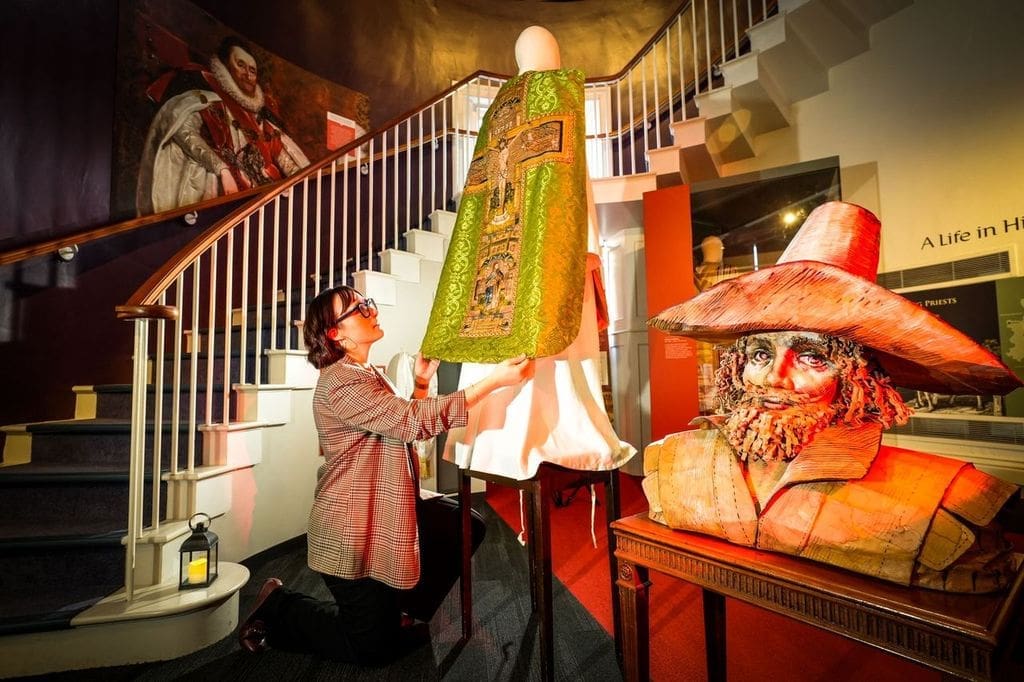
Bar Convent special collections manager Dr Hannah Thomas with the ‘Middleton Vestment’ at the centre of new Gunpowder Plot research. Alongside is York artist Sarah Hall Baqai’s sculpture A Man For All Treasons. Picture: Simon Dew

NEW research into the Gunpowder Plot has uncovered previously unexplored motives behind the involvement of Guy Fawkes and his fellow York conspirators. Find out more at The Gunpowder Plot: York’s Untold Story exhibition at the Bar Convent Living Heritage Centre in York.

The infamous failed plot to blow up the Houses of Parliament in 1605 sparked the Bonfire Night tradition that lights up skies across Great Britain on November 5 each year.

On show until December 5, the exhibition at the Bar Convent, in Blossom Street, is  an exploration of the context, conspiracy and consequences surrounding that fateful day.

Gunpowder Plotters Guy Fawkes, Christopher and John Wright and Thomas Percy were all either from York or connected to the city. What was happening in York at that time? What led this group of young men to plan such an extreme act to overthrow King James I? What connects these men?

Research into the ‘Middleton Vestment’, a priest’s vestment donated to the convent by the Middleton family of Ilkley, has confirmed that it once belonged to the family of Margaret Clitherow, whose maiden name was Middleton.

Historians have theorised that Guy Fawkes and Christopher and John Wright may have witnessed, or certainly been aware of, Margaret Clitherow’s execution in York in 1586.

Accused of harbouring Catholic priests, but refusing to plead guilty to the charges, she was pressed to death at the Toolbooth on Ouse Bridge on March 25. Stripped to a linen shift, she was laid out with a sharp stone under her back, whereupon her own front door was placed over her and loaded with up to eight  hundredweight of stones. The Bar Convent houses a sacred relic of her hand.

Further research has uncovered that the connection between Margaret Clitherow’s family and the Gunpowder Plotters was likely to be far closer than anyone realised.

Bar Convent special collections manager and research fellow Dr Hannah Thomas says: “Guy Fawkes, John and Christopher Wright were pupils at St Peter’s School in York. At the time of Margaret Clitherow’s death, Fawkes and Christopher Wright were 16, while John Wright was 18.

“Margaret Clitherow was accused of sheltering Catholic priests and was executed by pressing, which was exceptionally brutal, even by Elizabethan standards, and shocked the entire Catholic community.

“This alone would have had a profound effect on the plotters, but now imagine if they personally knew Margaret Clitherow. We believe this could very well be the case.”

“The ‘Middleton Vestment’ is likely to have belonged to Robert Middleton, and we now think it is quite likely that he was in fact Margaret Clitherow’s nephew. He was the same age as Guy Fawkes and living in York at the time. Additionally, both her stepson and son were close in age to Fawkes and the Wright brothers.”

Hannah continues: “Robert Middleton, along with Henry and William Clitherow, Margaret’s son and stepson, all joined the priesthood, and the details of their entrance records reveal that all three had received a high level of education as boys.

Special collections manager Dr Hannah Thomas Hannah Thomas holding the 15th century vestment that once belonged to a schoolfellow of the Gunpowder Plotters. In the foreground in the hidden chapel at Bar Convent is Sarah Hall Baqai’s sculpture A Man For All Seasons. Picture: Simon Dew

“At the time, the only place in York to receive an education of this standard was St Peter’s, a known Anglican School. Given that the school was small, with large numbers of children in mixed-age classrooms, these boys from local underground Catholic families would almost certainly have known each other and likely been friends due to the tight knit community their families were part of.

“Guy Fawkes’s contemporary, Robert Middleton, was executed for being a priest in 1601, just four years prior to the Gunpowder Plot, probably reinforcing Guy’s strong feelings against state-sanctioned persecution of Catholics, and perhaps encouraging him to start thinking about retaliation.

“Although very few official records survive from this period, through our extensive Catholic archives and knowledge of York Catholic networks through the post-reformation period, we have been able to fill these historical gaps.”

Dr Thomas has unfolded further fascinating connections and narratives too. On his journey to London from Edinburgh to claim the throne in 1603, King James I travelled through Yorkshire and even stayed with prominent Catholics, such as Sir William Ingleby at Ripley Castle, who was knighted in thanks for his hospitality.

Francis Ingleby, Sir William Ingleby’s uncle, was, in fact, the priest that Margaret Clitherow was hiding and he was executed following the raid on her house. Only months later, despite promises of religious tolerance, King James brought in new and even stricter laws against Catholics.

Interestingly, Sir William Ingleby is also the first cousin of plotters Robert and Thomas Winter, and, additionally, is a second cousin of Thomas Gascoigne, who lent the money to Sr Frances Bedingfield to purchase the house that became the Bar Convent. Conclusion: all these stories are connected in an intricate web.

The Gunpowder Plot: York’s Untold Story, Bar Convent Living Heritage Centre, York, until December 5, open Monday to Saturday, 10am to 5pm; last admission to exhibition at 4pm. Bookings: barconvent.co.uk.

Special events at Bar Convent

The Gunpowder Plot: After Hours, November 3, 6pm, presented in partnership with York Dungeon

THIS is an evening to remember, remember as you uncover the real history behind Bonfire Night. Experience the Bar Convent after-hours, where you will gather by candlelight in the hidden chapel and come face-to-face with York’s most infamous son. Discover the man behind the barrels as Guy Fawkes awaits his fate in the final hour before his execution.

The evening continues in the exhibition with a retelling of one of the most dramatic events in British history. Set against the turbulent backdrop of post-Reformation York, explore the context, conspiracy and consequences of the event surrounding November 5 1605.

Through rare objects, new interpretation and storytelling, the exhibition reveals how the plot echoed across the country, left its mark on York, and shaped the lives of the courageous women who founded this house in its wake.
To book, go to barconvent.co.uk;alcoholic or soft drink included.

Lunchtime talk: The Gunpowder Crucifix, November 5, 1pm

DELVE deeper into the story behind Edward Oldcorne’s crucifix, the only surviving sacred object of the raids on Catholic properties after The Gunpowder Plot. Discover how and why its owner was hanged, drawn and quartered despite his innocence, how it came to be in the convent’s collections and more. Included in admission to the exhibition (barconvent.co.uk); allow 20 to 30 minutes.

The Gunpowder Plot Walking Trail

WALK in the footsteps of the Gunpowder Plotters on this fascinating self-guided trail through the historic streets of York. Visit key locations and iconic landmarks that give context to one of the most dramatic events in British history. Self-guided, free; more information at barconvent.co.uk.

York Ghost Week 2026: Hallowed Guild of Phantom Players in Remember, Remember, York Mansion House, October 29 to 31

Hrafn Rìkharðsson as Guy Fawkes and Andrea Mitchell as Margaret Clitherow in the Hallowed Guild of Phantom Players’ Remember Remember at York Mansion House

THE spirits of former York residents Guy Fawkes and Margaret Clitherow will rise to share their stories in Remember, Remember, a new play written for York Ghost Week 2026.

Staged by the Hallowed Guild of Phantom Players at York Mansion House, St Helen’s Square, York, from October 29 to 31 at 7.30pm, this premiere is a collaboration between actor/playwright Andrea Mitchell and performer/musician/historical re-enactor Hrafn Rìkharðsson and Celtic folk musician/theatre-maker Olivia Graham.

Mitchell and Rìkharðsson developed the script together using archive material while Graham provides the haunting soundtrack to the two-act drama. 

Margaret was crushed to death on Ouse Bridge in 1586 after her trial conviction for having hidden Catholic priests in her home on Shambles in York. Gunpowder Plot protagonist Guy Fawkes was born in York and attended St Peter’s School.

As the sainted “Pearl of York” Margaret Clitherow relives the tragic day of her death, she is joined by the spirit of one believed to have been present at her execution in his youth: Guy Fawkes

The play explores the possibility that witnessing her death – her body being compressed by stones – was a key event in radicalising him against the Protestant English state, inciting one of the most explosive (pardon the pun) episodes on the stage of English history?

Haunting period folk music, played on traditional instruments, will flow hypnotically through historically informed storytelling in this atmospheric two-hour performance created exclusively for York Ghost Week 2026.

Andrea says: “We’re thrilled to be telling the stories of these two well-known York residents, whose lives overlapped in 16th century York, in the two acts of the play.

“We’ve researched a wealth of archive material to develop the script together and were very grateful to be able carry out some of our research in the Bar Convent library.”

The pair also used genealogy websites, Spanish archives and letters written at the time, as well as books, including a 1926 publication written about the life of Margaret Clitherow by Lady Lindsey Smith for her husband, in defence of Catholicism.

Bar Convent Living Heritage Centre special collections manager Dr Hannah Thomas says: “We were delighted to help Andrea with her research into the life of Margaret Clitherow, a subject which continues to fascinate and inspire so many.

“The convent has a critical role to play in telling the story of Tudor York, particularly through our fascinating living heritage exhibition, supported by a wealth of information in our archives and library facilities, and we are delighted that the team have been able to use this material to bring Margaret’s story to life.”

Remember, Remember, York Mansion House State Room, York, October 29 to 31, 7.30pm. Tickets: £25 including an interval drink. Box office: mansionhouseyork.com/whatson.

The Gunpowder Plot: York’s Untold Story goes beyond Guy Fawkes legend to explore post-Reformation life for English Catholics

The Gunpowder Plot plotters. Courtesy of National Portrait Gallery

THE Bar Convent Heritage Centre is retelling one of the most dramatic events in British history in The Gunpowder Plot: York’s Untold Story.

In the first exploration of its kind, in the city that many of the plot protagonists called home, the exhibition takes visitors beyond the legend of Guy Fawkes to discover the context of post-Reformation life for English Catholics, explore new narratives, see rare artefacts linked to the plot,all in the convent that was secretly established in the aftermath of the plot.

Through rare objects, new interpretation and story-telling, discover how the Gunpowder Plot echoed across the country, left its mark on York and shaped the lives of the courageous women who founded the Bar Convent in its wake in Blossom Street, York.

Dr Hannah Thomas, special collections manager at the Bar Convent, says: “Everyone has heard of Bonfire Night and Guy Fawkes and most will be familiar with the plot to blow up the Houses of Parliament on November 5 1605, but here at the Bar Convent we have curated a Gunpowder Plot experience unlike any other.

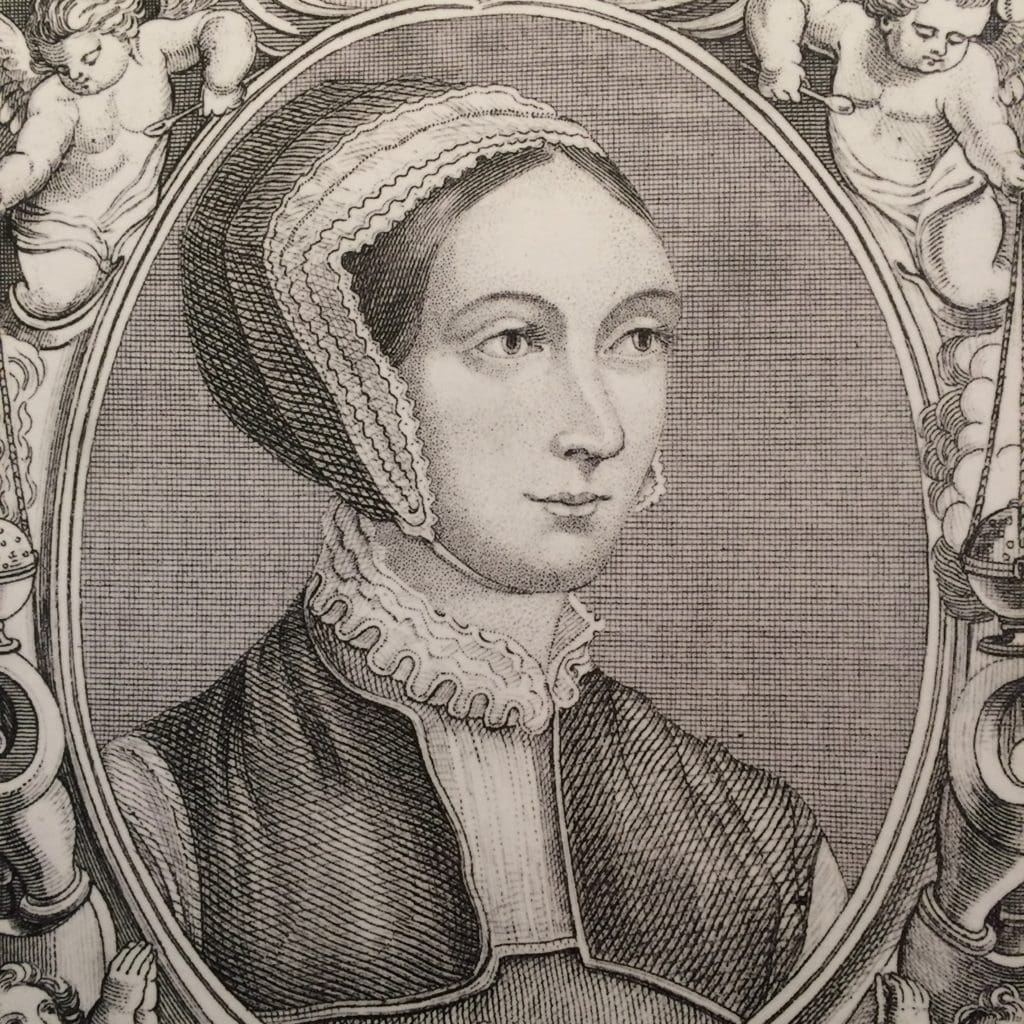
16th century engraving of Saint Margaret Clitherow’s death. Courtesy of Bar Convent Living Heritage Centre, York

“Guy Fawkes, Christopher and John Wright and Thomas Percy: of the eight plotters, these four men were from York or were connected to the city. What was happening in York at that time and what were the links between these men?

“This is the first exhibition of the Gunpowder Plot to explore the wider context of Catholic life in York and the underground networks at the time. It is truly fascinating to discover connections between Margaret Clitherow and King James I and between Margaret Clitherow and Guy Fawkes; these stories have never been fully examined before.”

Hannah continues: “Through our fascinating collections, we are able to tell the story through rare original objects connected to local people, and to present this in the unique surroundings of a Catholic convent secretly established under new laws passed in reaction to the plot’s discovery.   

“To enhance the exhibition, we have also designed a new self-led walking trail across the city to key locations and iconic landmarks that give context to the plot and we will be hosting some special events for those looking to delve deeper.”

Special collections manager Dr Hannah Thomas holding Father Edward Oldcorne’s Crucifix. Picture: Frank Dwyer, courtesy of Bar Convent Living Heritage Centre, York

Exhibition highlights

ENTIRE two-floor Bar Convent exhibition space transformed to tell York’s story of the Gunpowder Plot.

New re-display of Father Edward Oldcorne’s Gunpowder Crucifix, the only surviving object from the raids on all known Catholic houses following the plot. York born Edward Oldcorne was in school with the plotters Guy Fawkes, Christopher Wright and John Wright. Despite his innocence, he was hanged, drawn and quartered for being a priest.

Items linked to Margaret Clitherow on display, including a 16th century commemorative etching of Margaret Clitherow’s death; a 1650s handwritten biography; the Middleton Vestment that belonged to her relative, Father Robert Middleton, who was martyred in York in 1601, plus her sacred relic in the chapel.

Collection of post-Reformation objects used during secret Catholic Masses, including two altars, one disguised as a bed head and the other as a mantelpiece ornament; a priest’s vestment, designed to look like ribbons, and a chalice originally made in three separate pieces to be hidden easily in the event of a raid.

New research, including the discovery of connections between Margaret Clitherow and Guy Fawkes and between Margaret Clitherow and James I.

The chance to discover how the convent itself was designed strategically to hide its true purpose; from its position just outside York’s walls to a hidden chapel, an original priest’s hiding hole and nuns disguised as widows.

The Gunpowder Plot: York’s Untold Story, Context, Conspiracy, Consequence, on display at Bar Convent Living Heritage Centre, York, until December 5. General admission applies, Monday to Saturday, 10am to 5pm (last admission 4pm). Bookings: barconvent.co.uk.

Father Edward Oldcorne’s Crucifix at Bar Convent Living Heritage Centre. Picture: Anthony Chappel-Ross, courtesy of Bar Convent Living Heritage Centre, York

Further events

Museum Lates, Tuesday, November 3, from 6pm

After-hours access to The Gunpowder Plot: York’s Untold Story. Ticketed event, alcoholic or soft drink included. Tickets are on sale at barconvent.co.uk.

Lunchtime talk: The Gunpowder Crucifix, November 5, 1pm

Delve deeper into the story behind Edward Olcorne’s crucifix, the only survivor of the raids on Catholic properties after the Gunpowder Plot. Discover how and why its owner was hanged, drawn and quartered despite his innocence, how it came to be in the convent’s collections and more. Included in admission to the exhibition; allow 20 to 30 minutes.

Gunpowder Plot Walking Trail

Walk in the footsteps of the Gunpowder Plotters on this free self-guided trail through the historic streets of York. Visit key locations and iconic landmarks that give context to one of the most dramatic events in British history. More information at barconvent.co.uk. 

17th century handwritten biography of Saint Margaret Clitherow. Courtesy of Bar Convent Living Heritage Centre, York

Bar Convent to celebrate trailblazing Catholic women in audio trail at living heritage centre. Who’s in the spotlight?

Mary Ward (Augsberg portrait): Foundress of the Bar Convent

THE Trailblazers of the Bar Convent will be celebrated in a new audio trail that opens at the living heritage centre, in Blossom Street, York, on May 25 to mark half-term week.

Focusing on uncovering the amazing stories of key characters from the history of the oldest surviving convent in Great Britain, the exhibition trail spotlights:

* Mary Ward, who believed that girls deserved an equal education to boys;

* Mother Superior Ann Aspinal, who determined to build a secret chapel totally hidden from the outside world;

* Sister Gregory Kirkus, who set up the first ever museum at the convent;

* Plus many more incredible women who have lived there over the centuries, dedicating their lives to helping those in need, protecting the Catholic faith and supporting the Catholic community across the city.

Saint Margaret Clitherow

The foundress of the order – resident at the Bar Convent since 1686 – was a Yorkshire woman, Mary Ward, who has such international significance that her followers and supporters are building a case to have her officially recognised as a saint by the Catholic Church.

She believed that women were intellectually equal to men and deserved an education that reflected that equality. Providing a proper education for girls was central to her work, and she duly travelled widely across Europe, founding schools in ten European cities by 1628.

She noted in 1617 that “there is no such difference between men and women that women may not do great things – and I hope in God it will be seen that women in time to come will do much”.

In the mid-18th century, Mother Ann Aspinal wanted to construct a new convent chapel with an Italianate style dome but it was still illegal to build Catholic churches at that time. Rather than hiding the building project, she instead added a new suite of rooms to the front of the building, including a beautiful Georgian parlour, to disguise the real building project taking place at the back of the house: the secret chapel.

Sister Gregory Kirkus: Author of 20 books about the Bar Cinvent

Sister Gregory Kirkus wrote more than 20 books on the history of the convent and researched the lives of many of the sisters who have lived here. She established the inaugural museum at the Bar Convent and saved its historic books and documents. Thanks to her, so much of the building’s history is known.

The Bar Convent Living Heritage Centre is open to the public and welcomes all faiths and none. The chapel is free to visit and a public mass is celebrated on Fridays at 12 noon. The relic of Saint Margaret Clitherow is housed there.

Using QR codes throughout the Trailblazers trail, visitors are invited to discover more about the trailblazing women of the Bar Convent story, whose bravery and determination made history locally, nationally and globally.

Entry to the convent is free. The trail is included in admission to the Bar Convent exhibition. Complete the trail to be in with a chance to win a £30 voucher for the café. Tickets: barconvent.co.uk.

Opening hours for the exhibition, chapel and Georgian parlour:  10am to 5pm; last entry 4pm. Café: Monday to Saturday, 8am to 3pm (hot food served until 2.30pm).

Four Wheel Drive to explore legacy of York saint Margaret Clitherow in experimental interactive trial afternoon at Guildhall

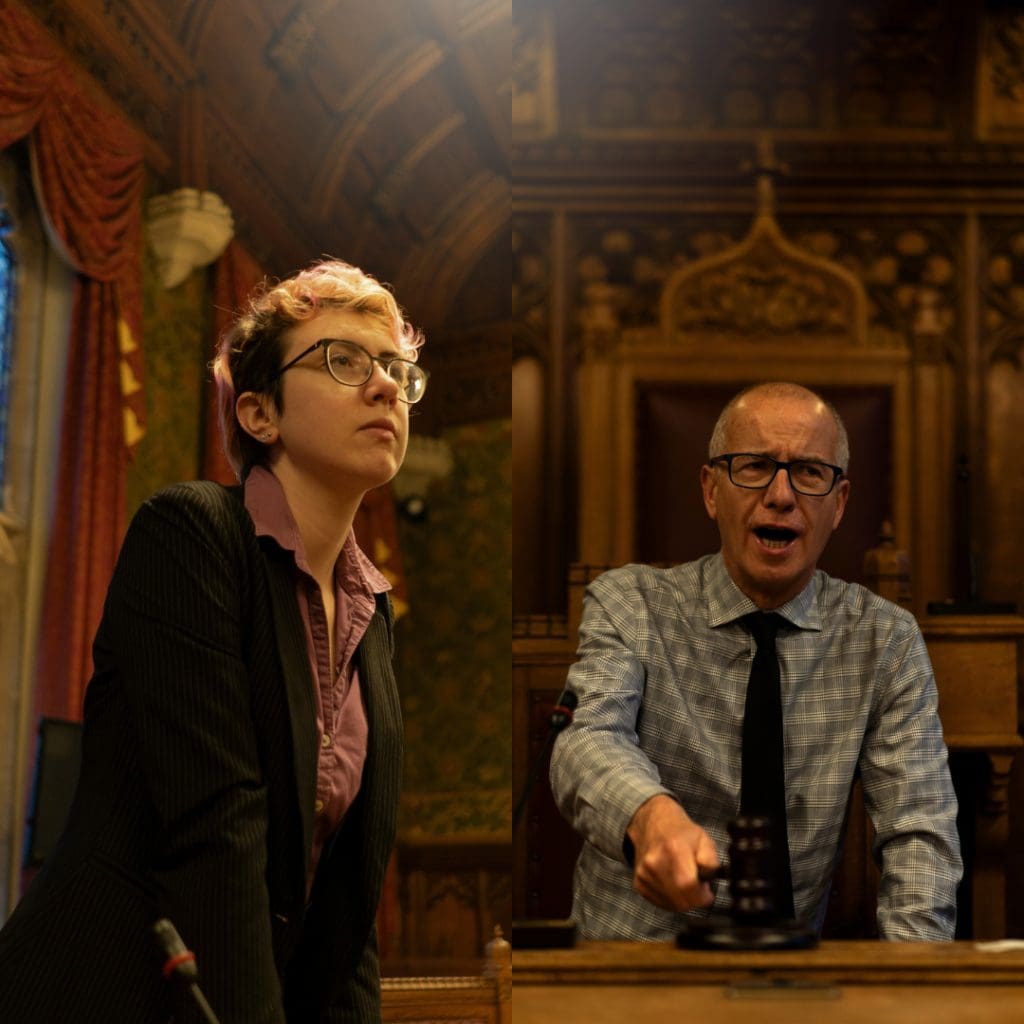
Four Wheel Drive working on The Trial Of Margaret Clitherow in development

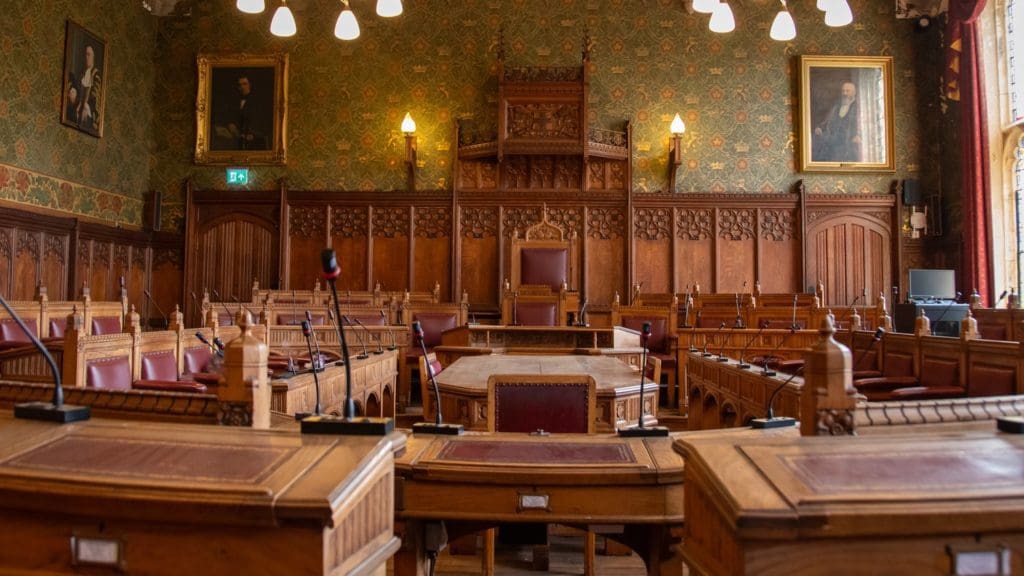
YORK theatre company Four Wheel Drive will host a new immersive, interactive theatre experience, focusing on Catholic saint Margaret Clitherow, on Saturday in the Guildhall York council chambers.

From 12 noon to 4pm, audiences can explore the “vibrant heritage and creative innovation within York” in a programme of afternoon activities run by artistic director Anna Gallon and her co-creators of “bespoke off-road theatrical experiences”.

These will include a first look at Four Wheel Drive’s new play in development, an historical presentation from author Tony Morgan and a study of how heritage storytelling can be presented for modern audiences.

Immerse: Heritage: Afternoon of heritage, immersive and interactive storytelling events on February 17

12 noon: Doors open for audiences to explore the council chambers.

12.15pm to 1.15pm: The Trial Of Margaret Clitherow

SCRIPT-in-hand performance of extracts from The Trial Of Margaret Clitherow, a new immersive experience in development by Four Wheel Drive that relates the story of Catholic saint Margaret Clitherow in York.

That story? In 1586, Margaret refuses to comply. In a scramble to regain control, the council decides to coerce her to a public fight, threatening her family, faith and pride.

The play invites the audience to engage in Margaret’s trial, wrestling with moral dilemmas and making choices in pursuit of justice.

Ultimately, audience members must decide whether they will abstain from cooperating with a corrupt system out of protest or try to mitigate any further damage the case might inflict on the community of York.

The Guildhall council chambers in St Martin’s Courtyard, Walmgate, York

1.15pm to 2pm: The Life and Death of Margaret Clitherow in Tudor York

AUTHOR and historian Tony Morgan uncovers the extraordinary story of Margaret Clitherow within the history of Tudor York, one that takes in family, politics, religion and tragedy.

During her life, Margaret underwent an extraordinary transformation from being an ordinary woman who lived in Tudor York to a notorious rebel who took on the state, the Church and the assizes court.

University of Leeds associate professor Morgan writes non-fiction history books and novels, including a biography and novel covering the life and death of Margaret Clitherow, and gives regular history talks to groups.

2.30pm to 3.15pm: Reviving Heritage: Making Heritage Storytelling Relevant

YORK theatre-maker and Four Wheel Drive artistic director Anna Gallon reveals the company’s process of bringing heritage storytelling to modern audiences as specialists in creating new works for non-traditional theatrical spaces.

Discover how historical narratives can serve as a powerful lens for examining contemporary issues, fostering a deeper understanding of the choices that shape our world. “Nothing is more powerful than bringing history to life to challenge our choices today,” says Anna.

3.15pm to 4pm: Interactive and Immersive Storytelling

INNOVATIVE storytellers who work with immersive and interactive forms will discuss what these words mean and how they can affect the way we tell stories, along with York innovation in this field.

The four sessions can be booked and attended separately or enjoyed as a whole afternoon. There will be chances to ask questions and offer feedback to inform the development process.

Tickets are free and can be booked at: https://www.eventbrite.co.uk/e/824958632477?aff=oddtdtcreator

Secret Link