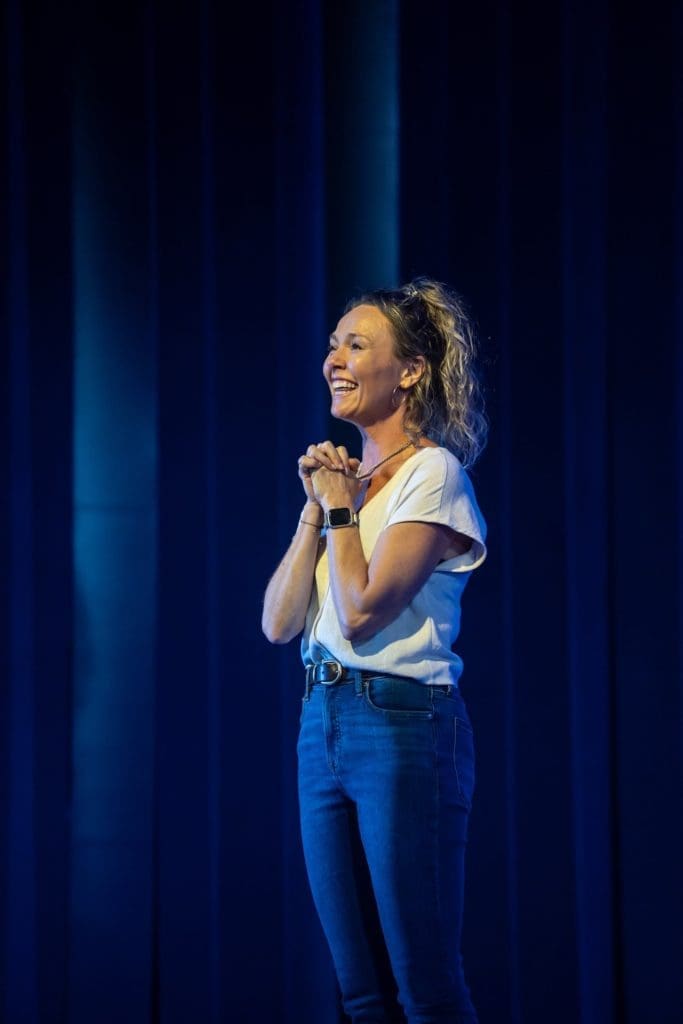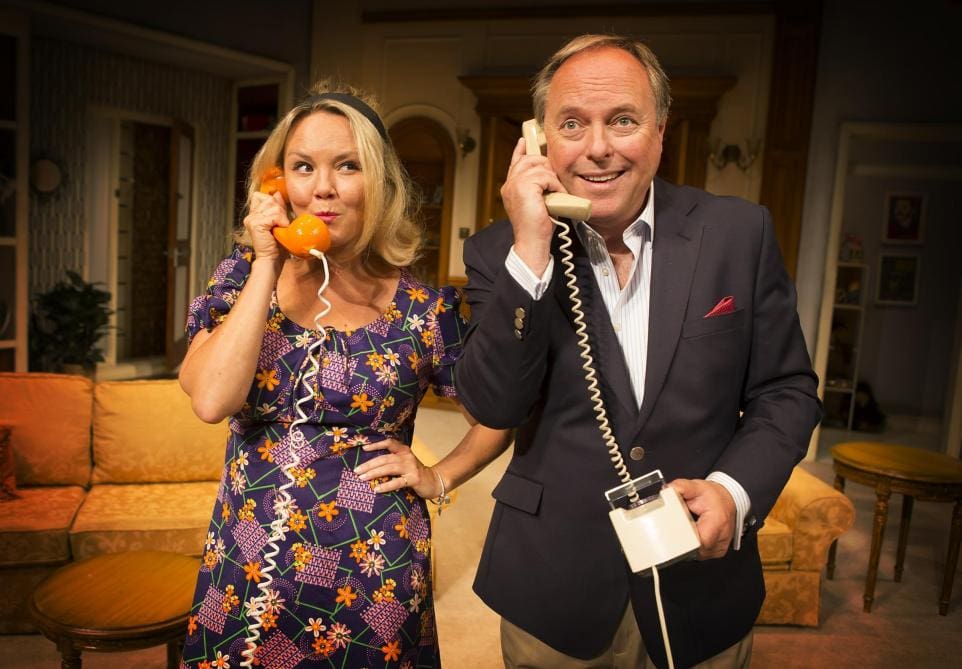

EASTENDERS soap star Charlie Brooks returns to the Grand Opera House, York, next week for the first time since appearing in Alan Ayckbourn’s comedy of matrimonial mishaps How The Other Half Loves in October 2017.
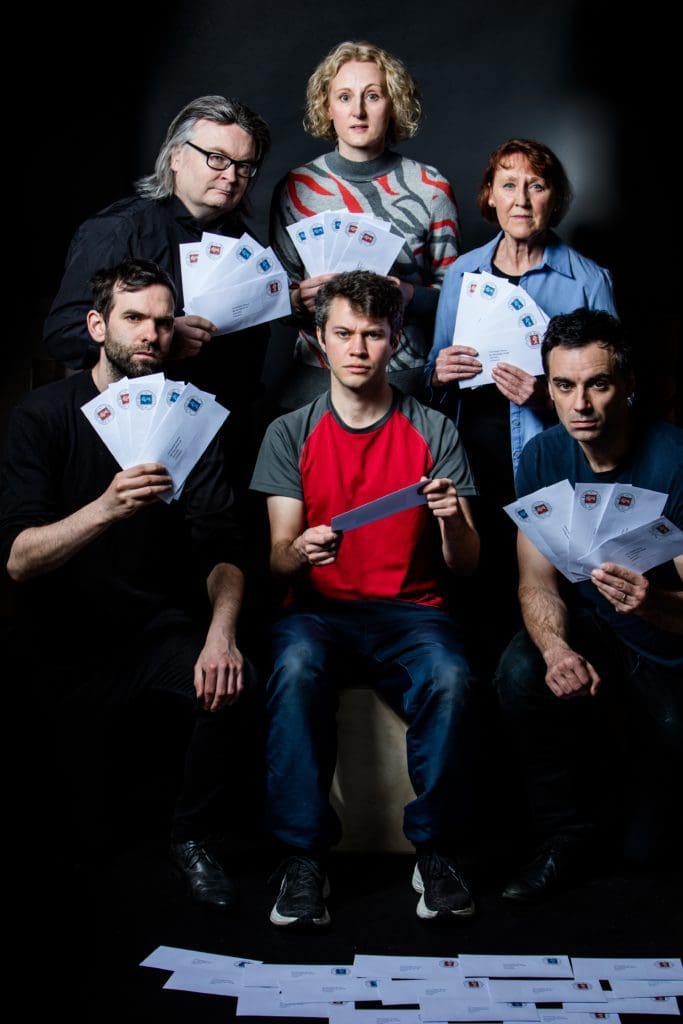
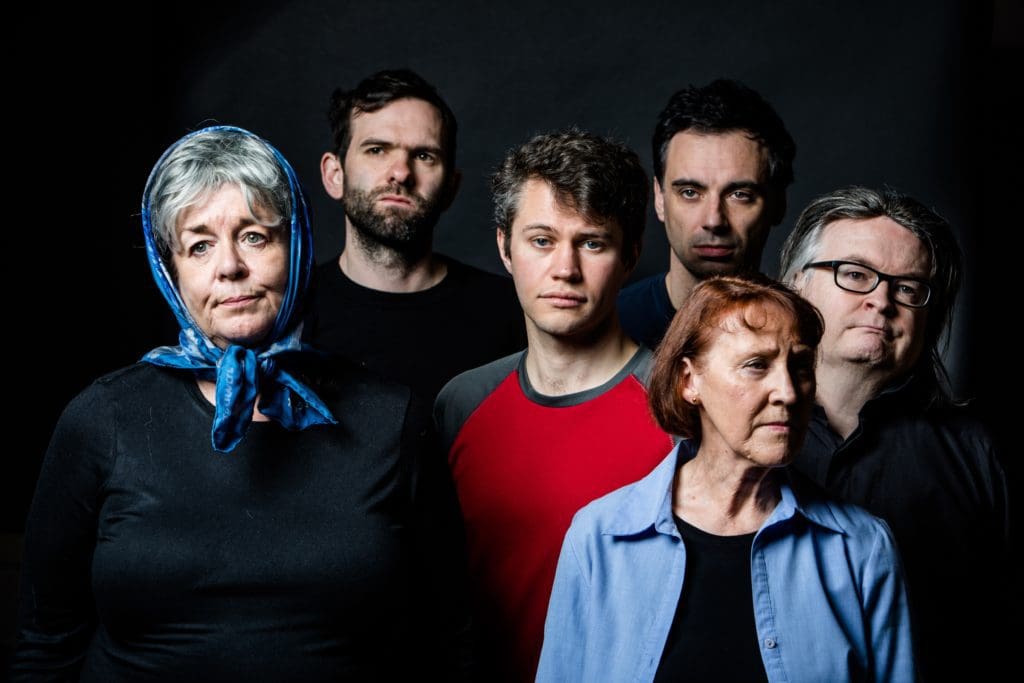
This time she will play mum Judy in Melting Pot and Birmingham Rep’s bold new interpretation of The Curious Incident Of The Dog In The Night-Time, on tour in York from October 27 to 31.
“It’s nice to be part of something that feels important, relevant and sees the world through a different perspective, which can be very powerful,” says Charlie. “We have a brilliant creative team and a fantastic cast, and there’s such hope in a play that’s heartbreaking at the same time. I think our production does capture that, finding humour in things that are hard.”
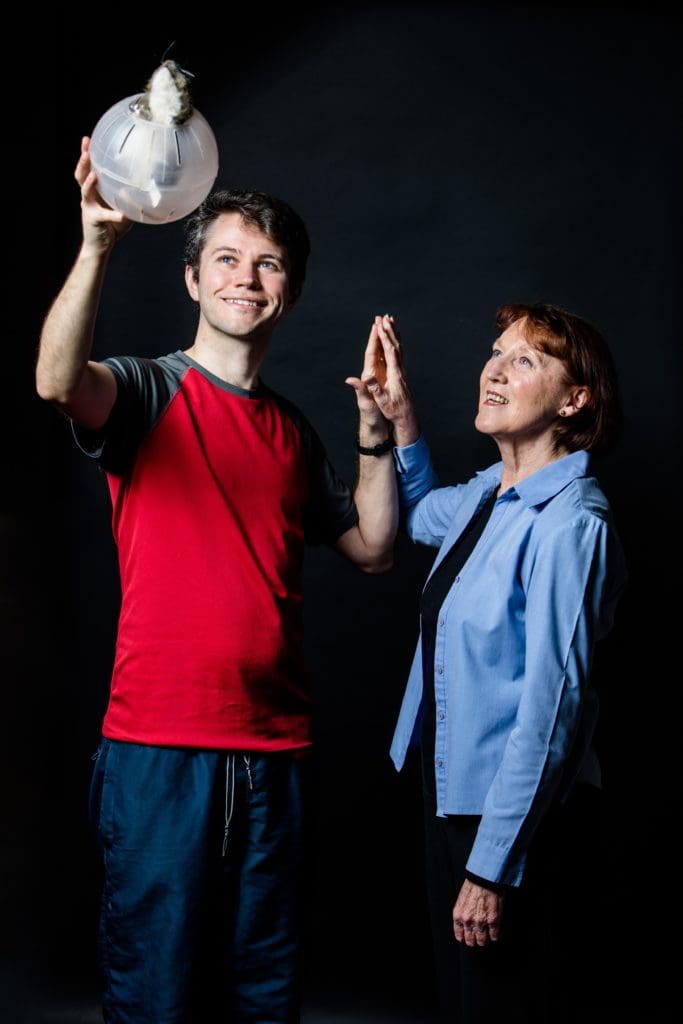
Directed by Ned Bennett, this fresh perspective will honour the heart of Mark Haddon’s original novel while inviting audiences to experience University of York alumnus Simon Stephens’s adaptation through a new lens.
For the first time, fearful yet fearless neurodivergent teenager Chris Boone is being played by a female actor – Alex Keenan and her matinee alternate Imi Price – in a murder mystery that combines the intrigue of a whodunit with a coming-of-age story, where 15-year-old schoolgirl Chris is unsettled by the unpredictability of people and everyday life but has powers of logic beyond conventional reasoning or normal patterns of behaviour.
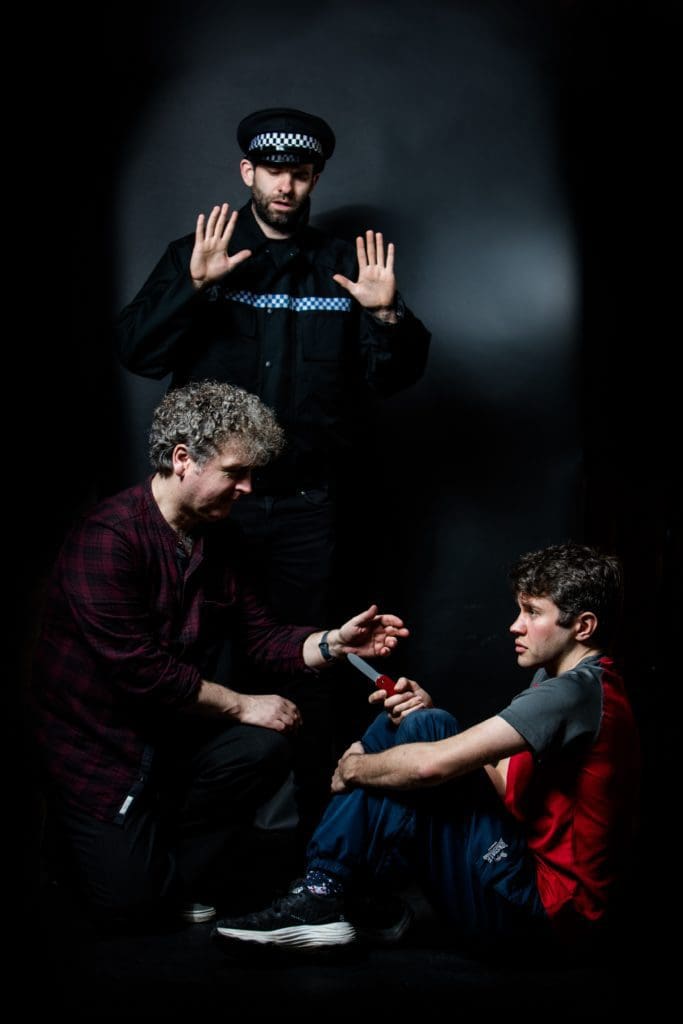
When a neighbour’s dog is discovered killed, Chris comes under suspicion. Determined to prove her innocence, Chris becomes both detective and suspect, drawn into a mystery that grows darker and more complex with every clue uncovered, forcing her to confront truths that will test her courage, family and understanding of trust, independence and the wider world.
Charlie, best known for her long-running soap opera role as wildcat Janine Butcher in EastEnders, is now cast as an absentee mum, Judy in ‘Curious Incident’. “As a mother, I face my own challenges with my gorgeous daughter [Kiki], who’s 22 next month,” she says, with humour in her voice.
“Judy is written with so much complexity. She’s flawed, as are many characters within the play, but she’s really doing her best. She’s found herself in a situation where she was unable to cope with the challenges in front of her and she didn’t feel like she had much choice. It’s a horrible question to contemplate: what if me leaving is the best thing for my child.
“Judy thinks ‘I’m explosive, I’m reactive, I can’t cope’. That must be a really difficult thing to go through, totally heartbreaking, especially since Judy obviously deeply loves her child.”
Stephens’ play does allow sympathy for Judy. “What’s really great is she’s not judged in the play. The audience is allowed to find some sort of identification with her. She speaks her truth. This is a play about communication and honesty – or the lack of it, in some cases. Her truth is that she felt invisible and unable to manage.
“There aren’t enough representations of mothers saying ‘It’s so hard, I want to run away’. The show has empathy for her. I sometimes had those feelings as a mum. I think lots of women do!”
Awareness of neurodivergence has grown and grown since Haddon’s mystery novel was published in 2003 and indeed since the National Theatre premiere of Stephens’ play in 2012. “There were far fewer people diagnosed when the novel was first out, or when the show was originally on, compared to now, when this is something that’s much more talked about. That’s a brilliant thing: there’s much deeper understanding and completely different language in the way we discuss neurodiversity today,” says Charlie.
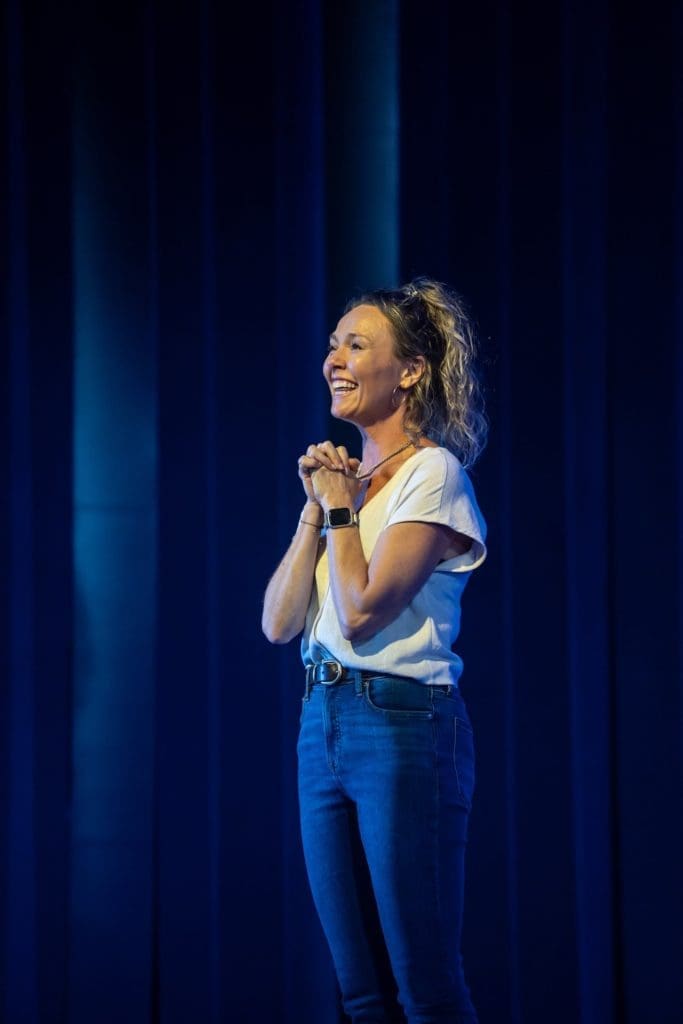
“Conversation around the subject was blown wide open and people are much more aware. It was beautiful to come out of the theatre and hear a young girl say, ‘oh, I didn’t know anyone else felt like that, where young people can feel overwhelmed, especially with girls masking symptoms more than boys. I think it’s much more internalised in girls.”
Charlie read Haddon’s book a long time ago, then saw the National Theatre production. “I thought it was extraordinary,” she says. “I was so excited when I heard the play was coming back – I immediately wanted to know what the vision was, how they were planning to bring this story to life, and how it might be different in this production. Joining the show was an absolute no-brainer.”
Melting Pot and Birmingham Rep’s 2026 production will be a “whole sensory experience”, says Charlie, that will combine set and costume designer Eleanor Bull’s “incredible vibrant colour palette for a very textured set featuring lots of different materials on stage” with director Bennett’s innovative physical movements and props to represent when Chris is over-stimulated ort overwhelmed”.
“What’s really important is that the original stage experience wasn’t great for those who are neurodivergent as they found it very loud, so we’ve made it more accessible through textures, choice of colours, and sound that’s not so loud that it might frighten you,” says Charlie.
“To visualise the state of Chris’s mind, we have yellow balls on stage, as yellow is her least favourite colour, and the set design is all pink. There was a long, drawn-out month of discussion about the colour and then the shade of pink.”
Add video projections and physical performances to complement the design brief, and the result is heightened accessibility. “That’s definitely something we’re factoring in, while also making it a thrilling play that’s still entertaining and impactful,” says Charlie.
At the heart of Bennett’s production is Chris now being female. “It certainly changes things for us,” says Charlie. “The gender swap gives a completely fresh perspective on the story and the characters. Simon Stephens and Mark Haddon are very much on board with the change and all the new things it throws up.”
The mother-daughter relationship comes to the fore. “As a mother, I face my own challenges with my gorgeous daughter [Kiki], who’s 22 next month,” says Charlie, with humour in her voice.
Describing mother-daughter relationships as complicated: “I know I was an imperfect mother. I can relate to some of their challenges. It’s really helpful to show all the sides of these relationships, rather than some ideal. But whether you’re in this exact situation or not, I think everyone can relate to worrying that you’re not doing something well enough, not doing a good job, or not fitting in.”
Charlie is enjoying the experience of being on tour. “The people are a joy, which is number one when you go into this job, being surrounded by brilliant people. Doing this play, you feel you’re in something that can change people’s lives,” she says. “There are people coming to this play as maybe the first play they’ve been exposed to, and it will feel like the full theatrical experience to them, with puppetry in it too.
“School parties have been coming to the show, but you could come with your grandma – and that would ignite conversations.”
Recalling her first theatre experience, Charlie says: “Like so many, it was a pantomime. Then my mum took me to Copacabana in Shrewsbury or Manchester, then I went to Grease in London. I got the lead role in Willy Russell’s Our Day Out at the Dragon Theatre in Barmouth, where I grew up in North Wales, and I was off and running.”
Melting Pot and Birmingham Rep present The Curious Incident Of The Dog In The Night-Time, Grand Opera House, York, October 27 to 31, 7.30pm plus 2.30pm Wednesday and Saturday matinees. Box office: atgtickets.com/york.