York Light look at love in myriad forms in American musical comedy I Love You, You’re Perfect, Now Change UPDATED

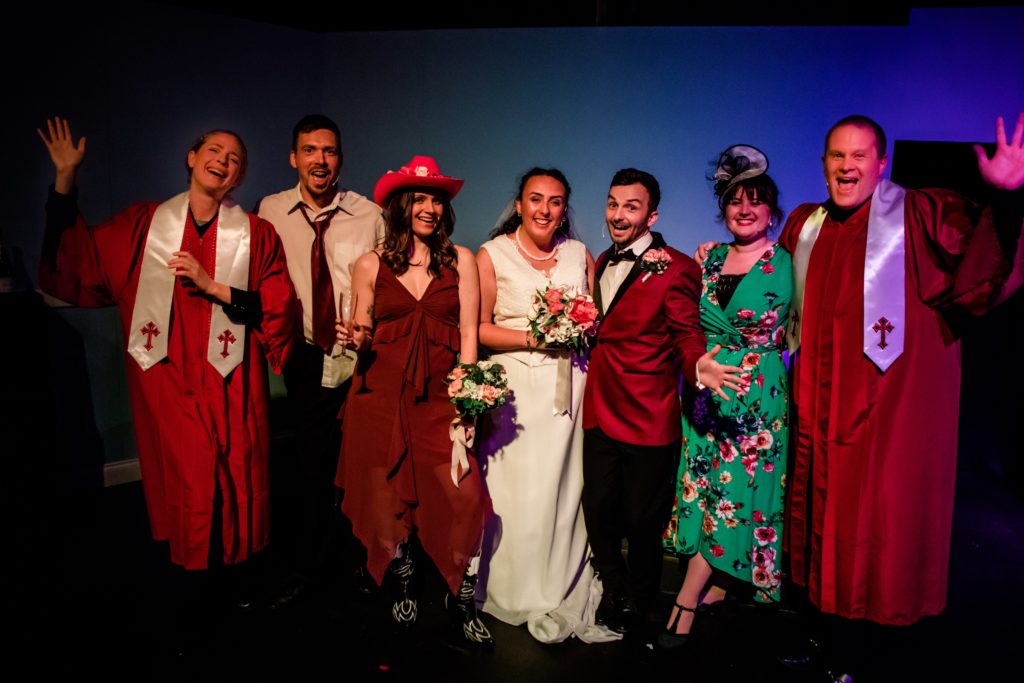
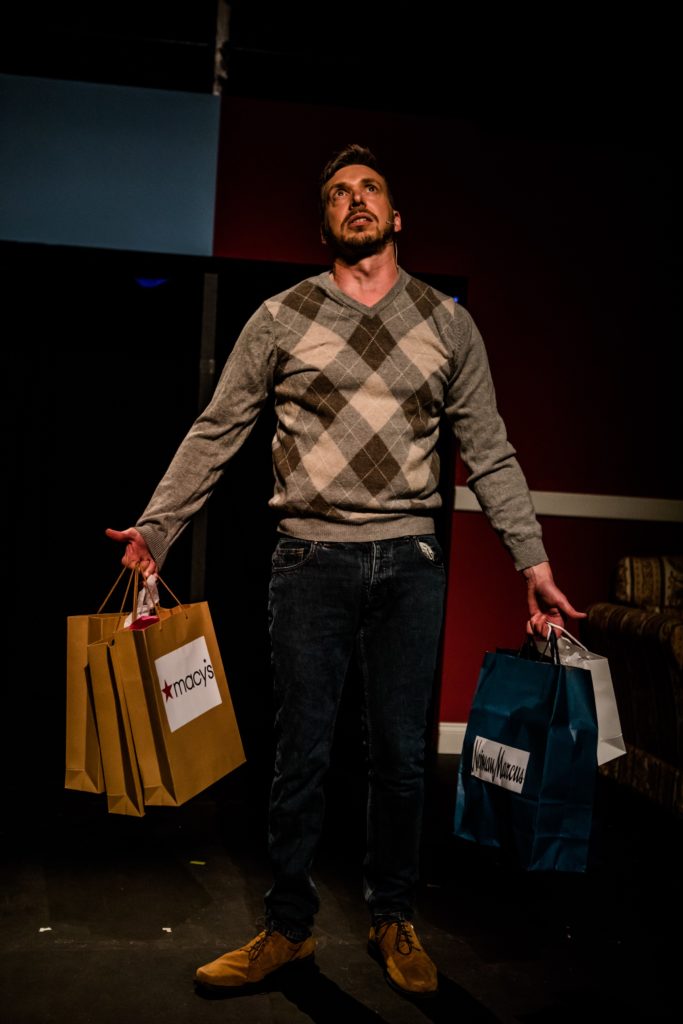
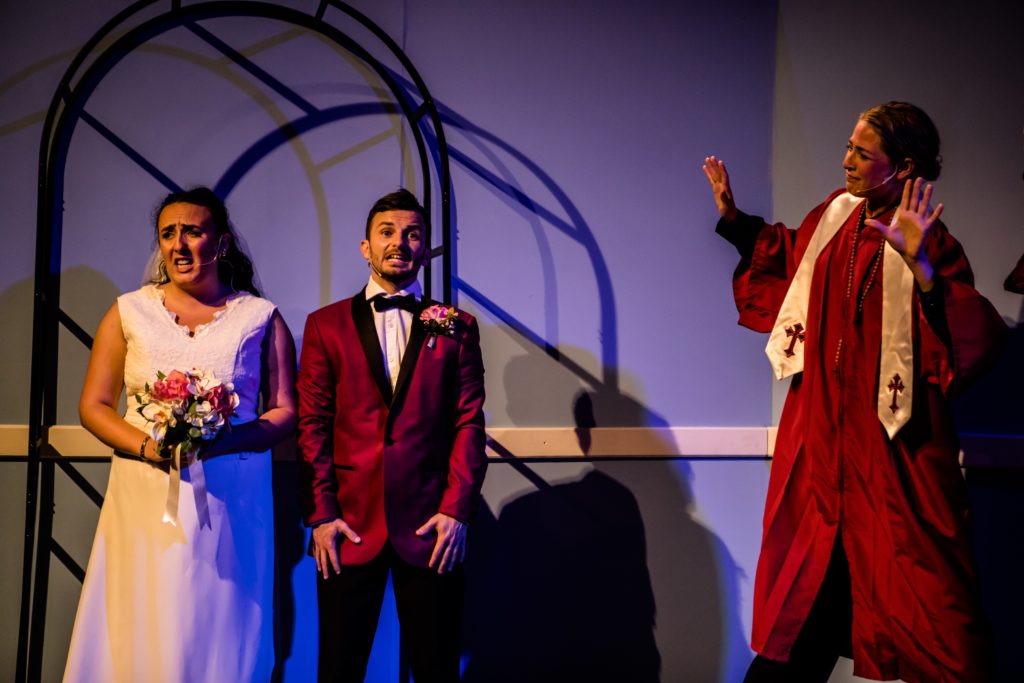
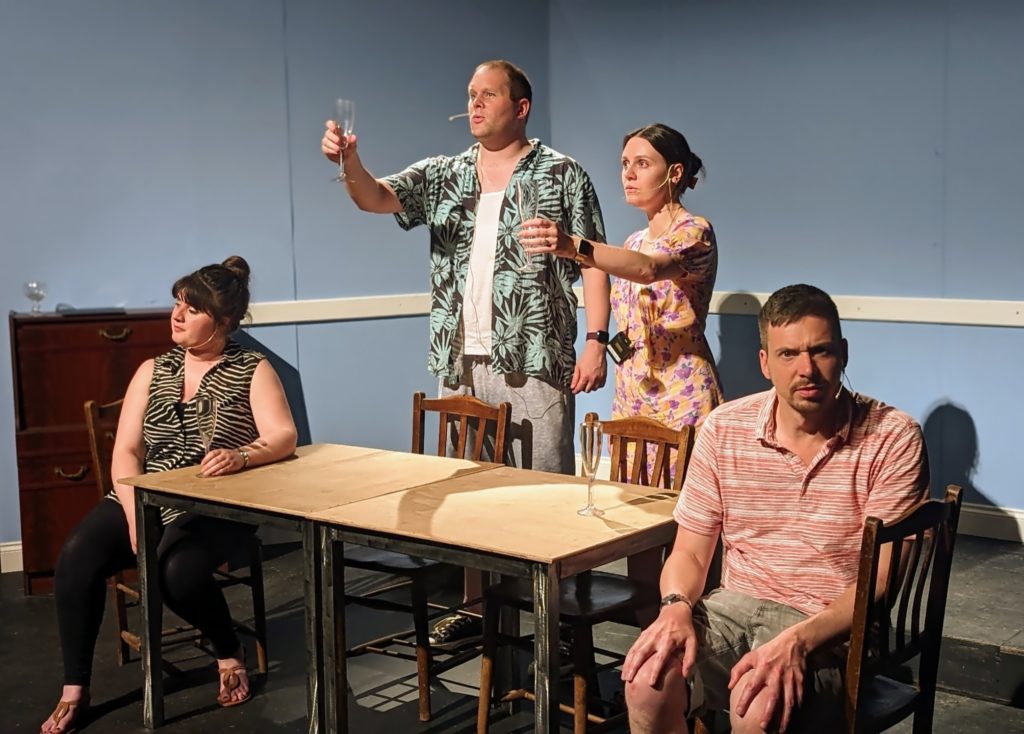
York Light Opera Company’s Emma Dickinson, left, Richard Bayton, Monica Frost and Mark Simmonds in I Love You, You’re Perfect, Now Change. Picture: Matthew Kitchen Photography

RIOTOUS, rude and oh-so relevant, I Love You, You’re Perfect, Now Change promises shocks and surprises plus character and costume changes galore in York Light Opera Company’s hands from tonight.

Writer Joe DiPietro and composer Jimmy Roberts’ off-Broadway musical comedy is directed by Neil Wood at Theatre@41, Monkgate, York, in its 2018 updated revamp in a witty look at how we love, date and handle relationships.

Guiding love’s path through a series of comedic and poignant vignettes will be Richard Bayton, Emma Dickinson, James Horsman, Sanna Jeppsson, Mark Simmonds and Monica Frost and Emily Hardy in their first principal roles for York Light, as love lives are reflected in art, up close and personal.

“It holds the record as the second longest-running revue staged off-Broadway,” says Neil. “Originally it was done with a cast of four, but we decided to double it to eight to be able to swap things around, and when one cast member dropped out, we stuck to seven.

“We did the first read-through and sing-through in April, so it’s a quick turnaround for a show, but we’ve still had the time to explore a lot of multi-role playing. Some of the cast are playing as many as eight characters, so we did some Laban technique workshops, looking at how characters are created, getting inside them and how the actors move.”

Richard Bayton and Emily Hardy, front, with Monica Frost and Mark Simmonds rehearsing On The Highway To Love

His first step as the director was to find the world depicted in the show’s 20 vignettes. “Then you must find the key thing within each scene; those moments that are poignant; those moments that are the turning point for a character.

“To do that, we had a really rigid rehearsal timescale with only two scenes per night, to really explore each scene, one running to eight minutes, the others to five or six minutes. It’s not a sung-through musical; some scenes are purely dialogue; some scenes are just a song; others are a mix of dialogue and song.

“Those songs vary in style from a Luther Vandross-style soul number to a country music song and a Rat Pack-style number.”

In her York Light debut after performing for Pick Me Up Theatre and York Stage, Swedish-born Sanna Jeppsson will be playing eight roles. “They vary from young and bold to old and experienced; shy and timid to a downtrodden housewife; a happy single woman to a sporty type – a tennis player, though the only thing I do for that is carry a tennis racket!” she says.

“It’s a fantastic array of characters in a show that has such a variety of scenes that can be real or twist reality in others, where you can go more crazy with a character.”

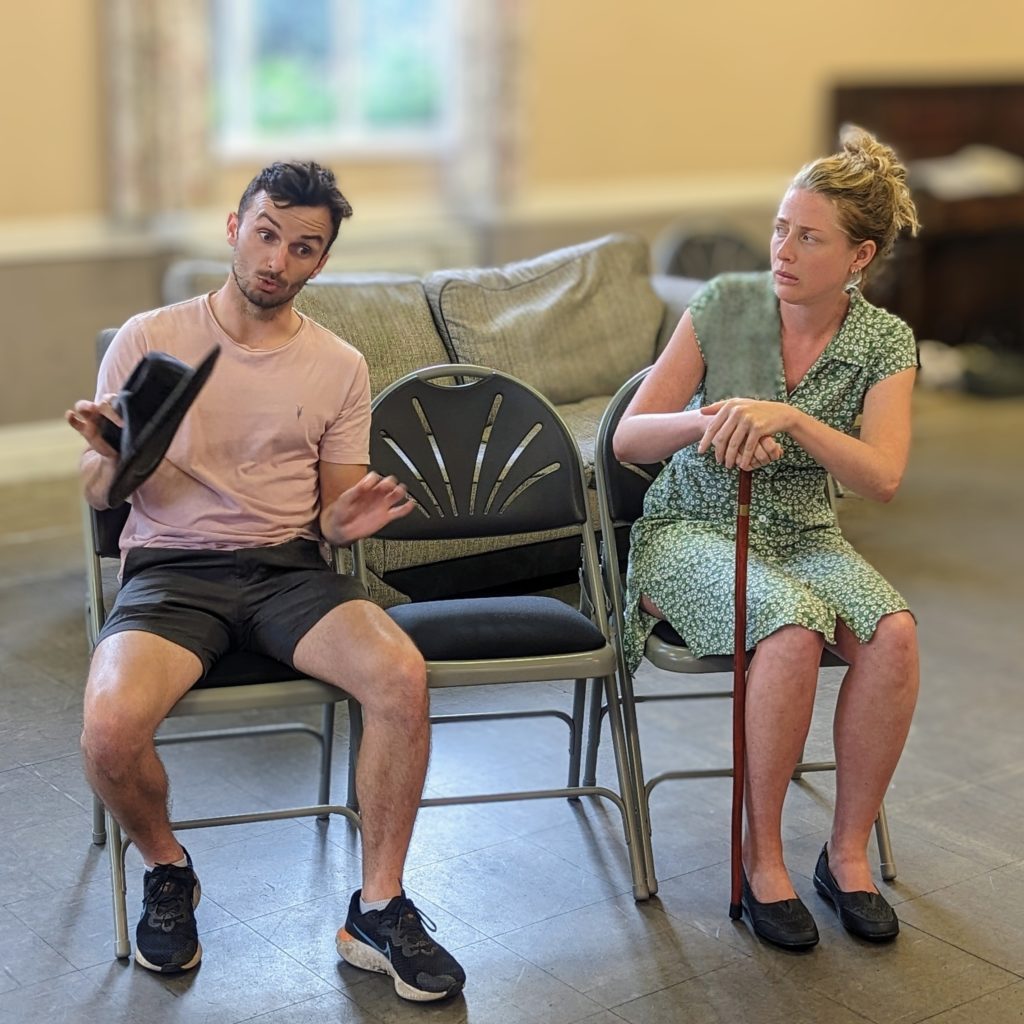
James Horsman and Sanna Jeppsson rehearsing the scene where two old people in a funeral parlour discuss love’s labours lost and found

Neil chips in: “That’s when you have to decide whether a scene is naturalistic or you can break the fourth wall and be very Brechtian, grabbing the audience by the hand or talking directly to them.

“I’ve been really impressed with what the cast has done in making 3D characters. Once you’ve created a scene, you can develop those characters and they have to be true. As well as their physicality, you need to find their vulnerability.

“That’s a key thing we’ve worked on: the intimacy of the scenes where you’re almost a voyeur into people’s most vulnerable moments.”

Last seen on stage leading York Light’s cast in Sweeney Todd: The Demon Barber Of Fleet Street, Neil is enjoying pulling the strings from the director’s chair. “When we get into Theatre@41, half the fun will be the quick changes, with some full costume changes in only 30 seconds to the accompaniment of scene-change music,” he says.

“The show is split into two 55-minute halves with a 20-minute interval, and the joy for the audience is that everyone will see relationships on stage that they recognise or have been in themselves.

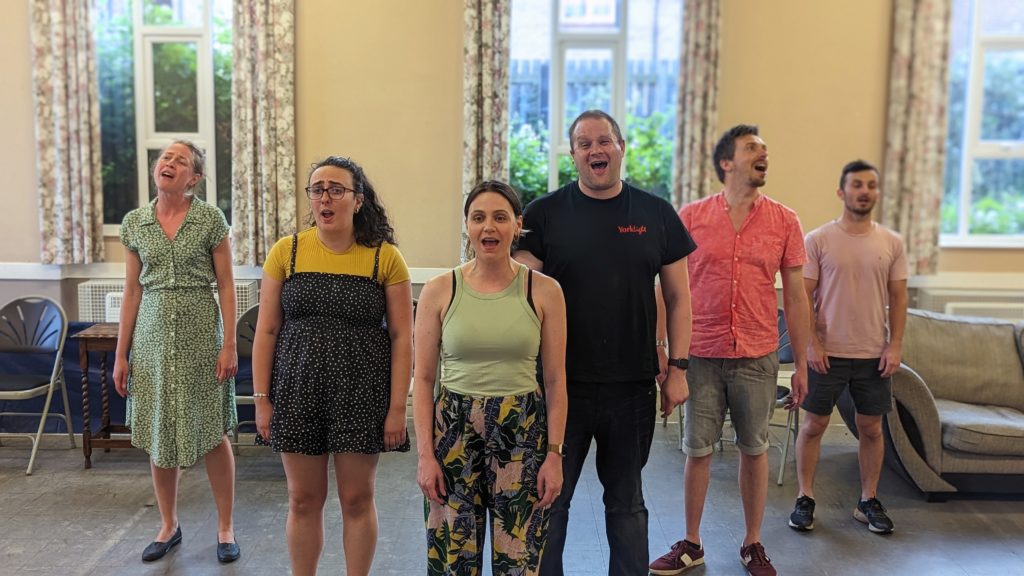
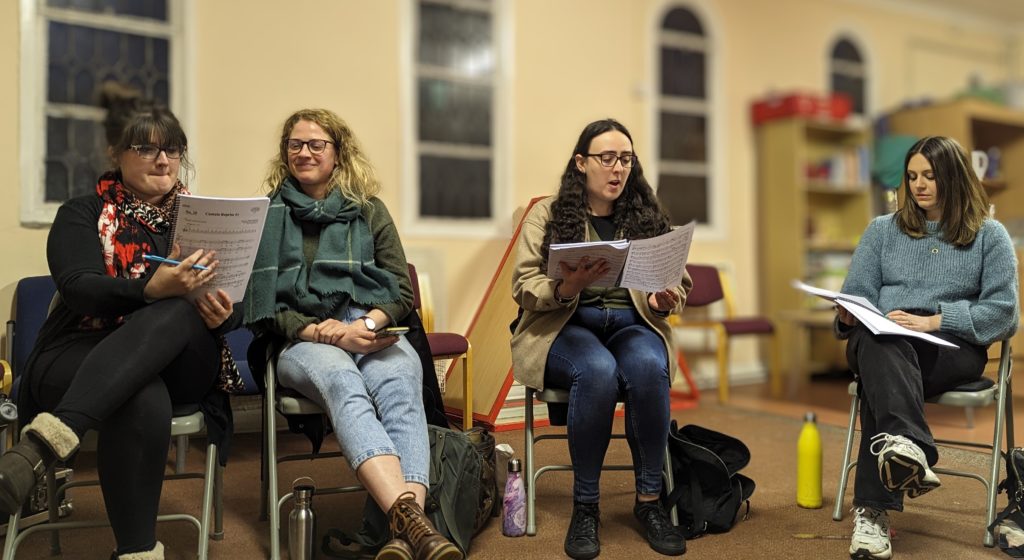
Sanna Jeppsson, left, Emily Hardy, Monica Frost, Richard Bayton, Mark Simmonds and James Horsman in York Light Opera Company’s rehearsal room

“It’s laugh-out-loud funny, a show where you will come out beaming from ear to ear – and you don’t have to think too hard either!”

For Sanna, the rehearsal process has contrasted with her past productions in York. “That’s because this show is so episodic, so it’s almost felt like a different play at each rehearsal, which has been fun as an actor,” she says. “Now it’ll be fascinating to see what kind of reaction we’ll get from the audience, as we bring all those scenes together.

“I’ve been there most nights, where we’ve rehearsed two scenes a night, and it hasn’t felt frantic at all, just enjoying developing new scenes at each rehearsal.”

Neil adds: “We’ve been lucky that we’ve been able to do it episodically, with the majority of the rehearsals being done chronologically, which has helped the cast.”

He savours the accumulative impact of the 20 vignettes. “It’s not just 20 one-act plays, but real people, real amotions, real life, and it’s our job to make each scene as realistic as possible; to find the truth of these people,” he says.

“What I love about Joe DiPietro’s writing is that you definitely get every character’s viewpoint in each scene. He’s very clever at doing that.

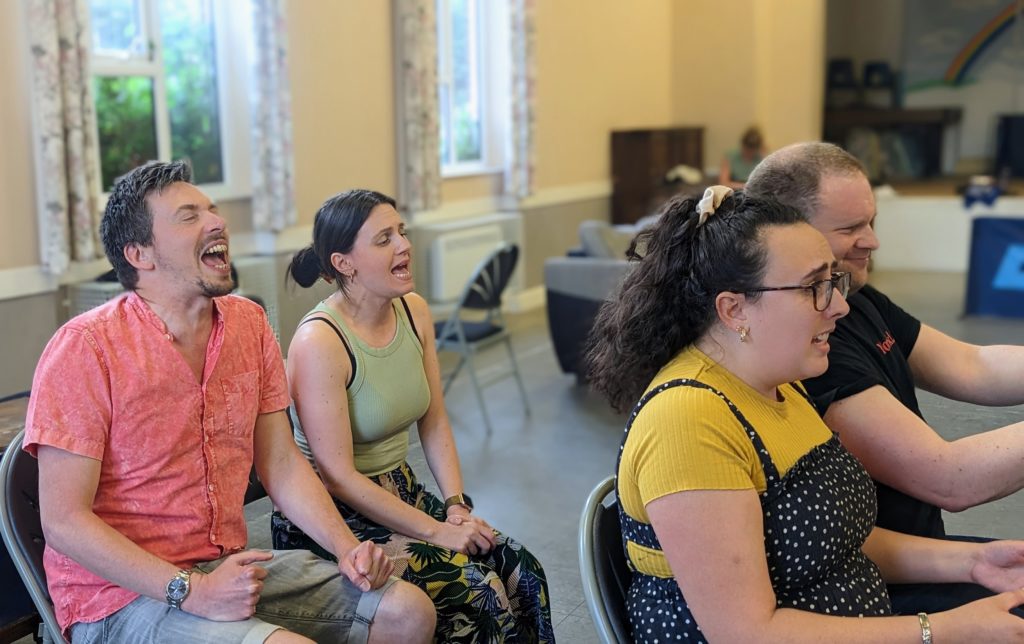
Emma Harrison, left, Sanna Jeppsson, Emily Hardy and Monica Frost in a music rehearsal for I Love You, You’re Perfect, Now Change

“In the updated version, there’s been a gender swap in the Two Franks scene, and if there’s one scene that’s a caricature, it’s that scene, but then the reality comes through.”

Neil believes he has come up trumps in finding a cast able to play multiple roles. Sanna, in turn, is thrilled to be taking on that challenge. “I’ve had my eyes on this show for many years, waiting for this opportunity after first hearing about it when I was training in London in 2013/2014,” she says.

“I thought, ‘I’d love to do a show with all these characters parts’, and now the chance has come. It’s everything I imagined it would be – and more. It’s been a joy to work on because the script is really good, the songs are really good…and the director is really good, obviously!”

Sanna will be playing characters ranging in age from 25 to 75, and as she added each new one in rehearsal, she found she could not decide on a favourite. She does, however, then highlight her scene with James Horsman, where they play two old people discussing love in a funeral parlour.

“It’s such a beautifully written scene that says so much with such carefully chosen words,” she says.

Sanna Jeppsson and Richard Bayton in a reflective moment during York Light’s rehearsals

Neil picks out Monica’s closing second-half monologue. “It’s set around online dating and that thing of what we want people to see, rather than who we are, and yet then she realises her true story is far more fascinating,” he says.

Twenty vignettes with so many characters call for a diversity of American accents. “I don’t think it would work if you were to transfer it to Yorkshire or France, but you can place it anywhere in America. Some of the scenes are very American,” says Neil.

“The rhythms of the language scream American,” says Sanna. “Though I did read that it has been translated into a number of languages and it’s been done with Australian accents, but not with British ones.”

“The country song, Always A Bridesmaid, needs to be sung in a Tammy Wynette style,” reemphasises Neil.  

As opening night arrives, he concludes: “This is a lovely show to finish off York Light’s 70th anniversary, something a little different, all about love.”

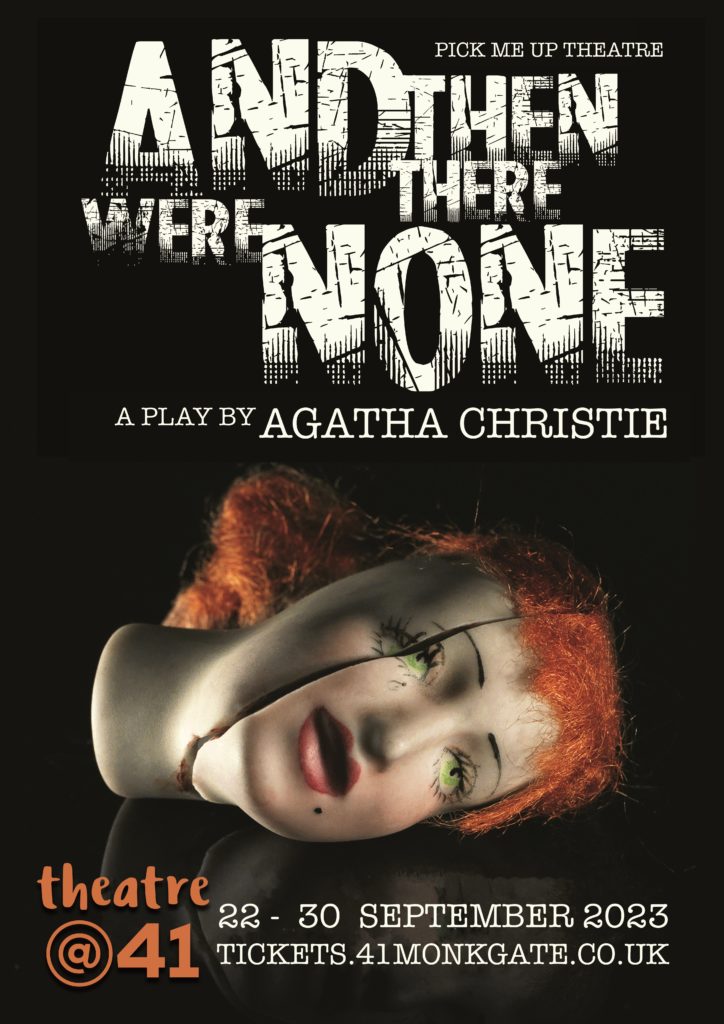
York Light Opera Company in I Love You, You’re Perfect, Now Change, Theatre@41, Monkgate, York, tonight (27/6/2023) until Saturday, 7.30pm plus 2.30pm Saturday matinee. Box office: tickets.41monkgate.co.uk.

REVIEW: Martin Dreyer’s verdict on York Opera in Mozart’s The Magic Flute

Heather Watts as Queen of Night in York Opera’s The Magic Flute: “Fiery coloratura spiced with menacing gesture”. Picture: Benjamin Lindley

The Magic Flute, York Opera, at York Theatre Royal, tonight and Friday, 7.15pm; Saturday, 4pm. Box office: 01904 623568 or at yorktheatreroyal.co.uk

AFTER 20 frustrating months, York Opera is back where it belongs – on the Theatre Royal stage. We may all rejoice.

Running an opera company is backbreaking work at the best of times. Covid has been making it a whole heap harder. Mozart’s last opera would not necessarily be an automatic choice after so long a lay-off and is certainly not an easy option. But the company has dug deep and delivers the goods in a splendid revival of John Soper’s traditional production, first seen in 2009.

In the distribution of laurels, there are many individuals to compliment. But one entity stands out. Derek Chivers’s 20-piece band, using an excellent orchestral reduction by Kenneth Roberts, takes the score by storm.

Hamish Brown’s Prince Tamino and Alexandra Mather’s Pamina. Picture: Benjamin Lindley

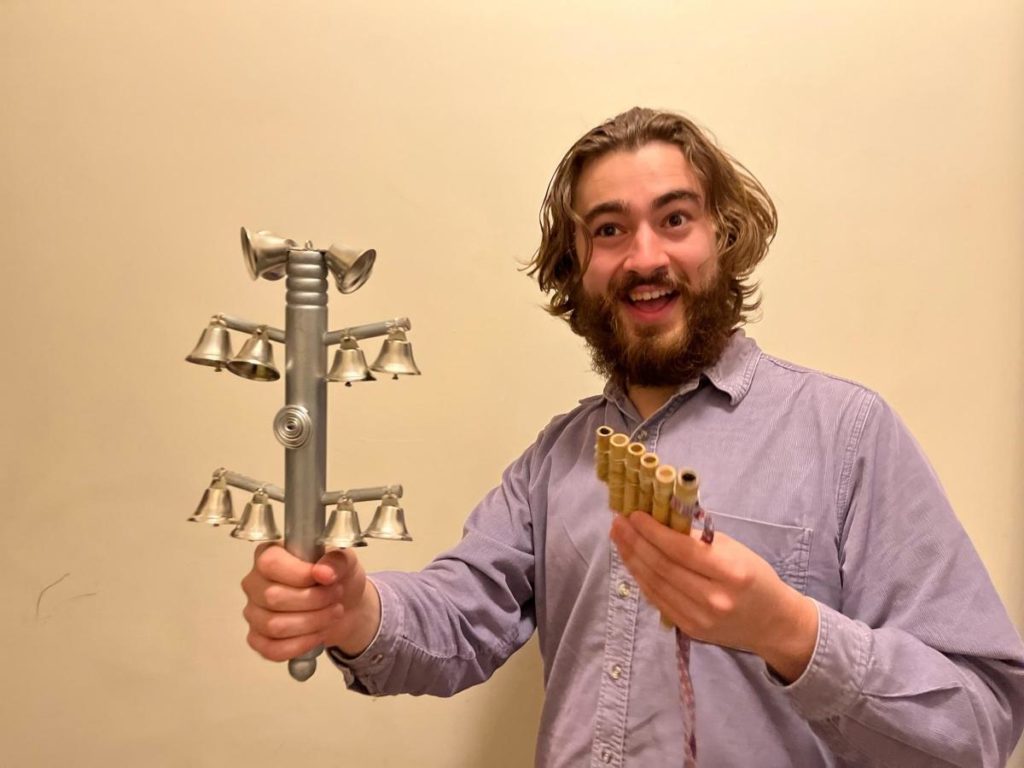
On opening night they began untidily, to be sure, but halfway through the overture there was no stopping them, inspired by a woodwind quartet of the highest calibre whose colourings and accuracy are a marvel throughout. Claire Jowett, a stalwart of so many groups, offers untiring leadership of the strings. One member, James Sanderson, slips in and out of the pit as player of the magic bells when not singing First Priest, a unique double act.

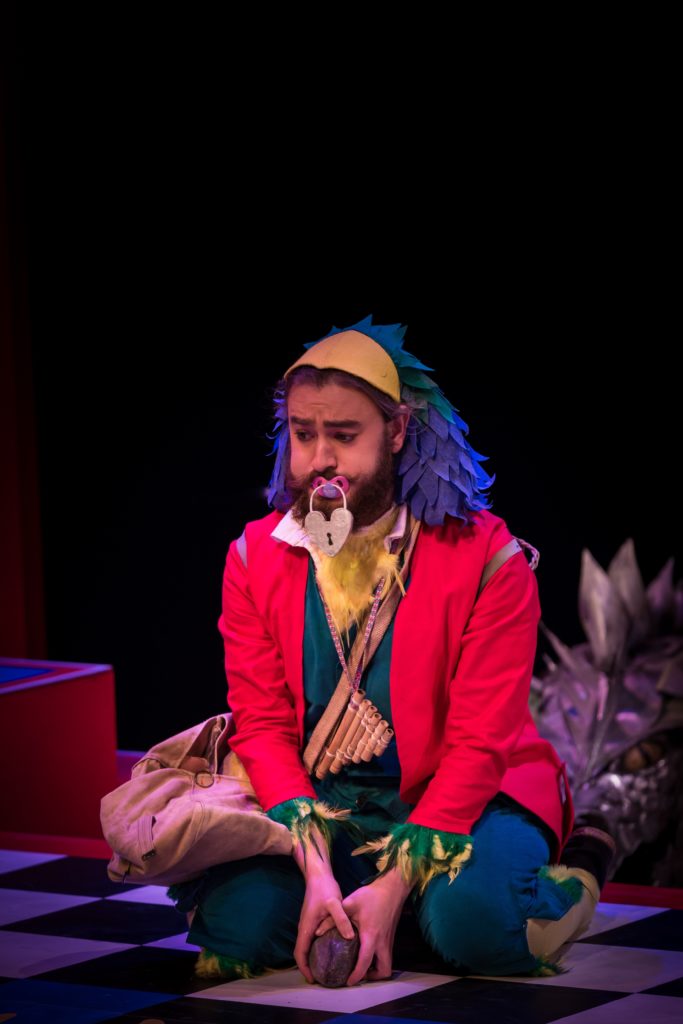
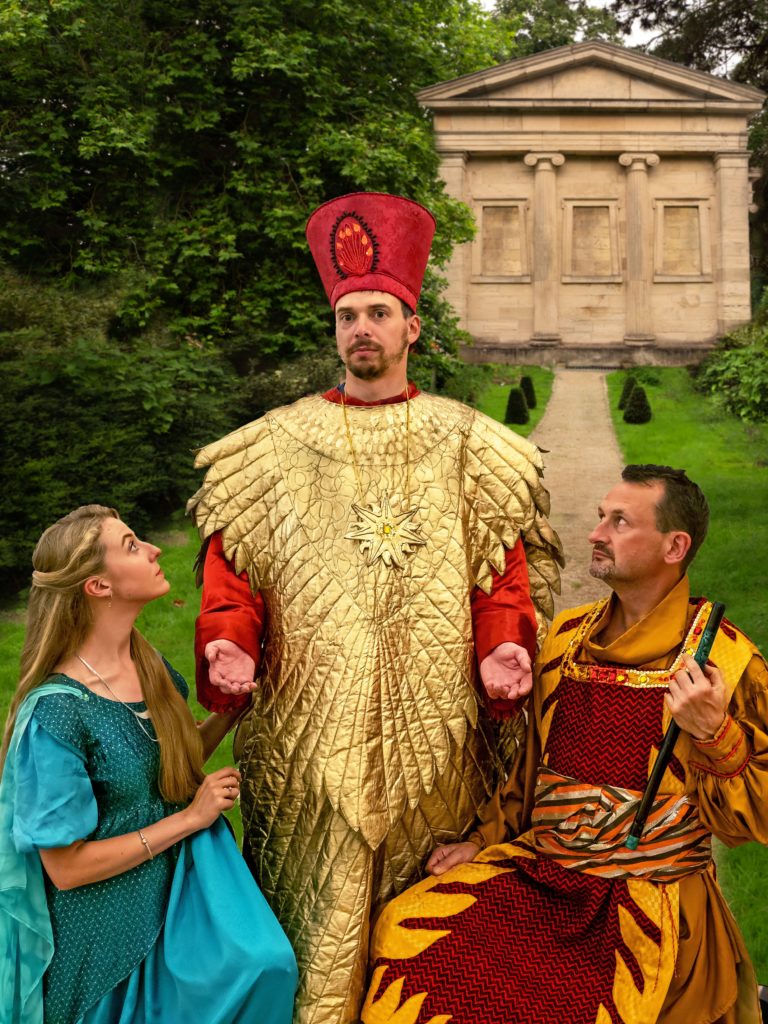
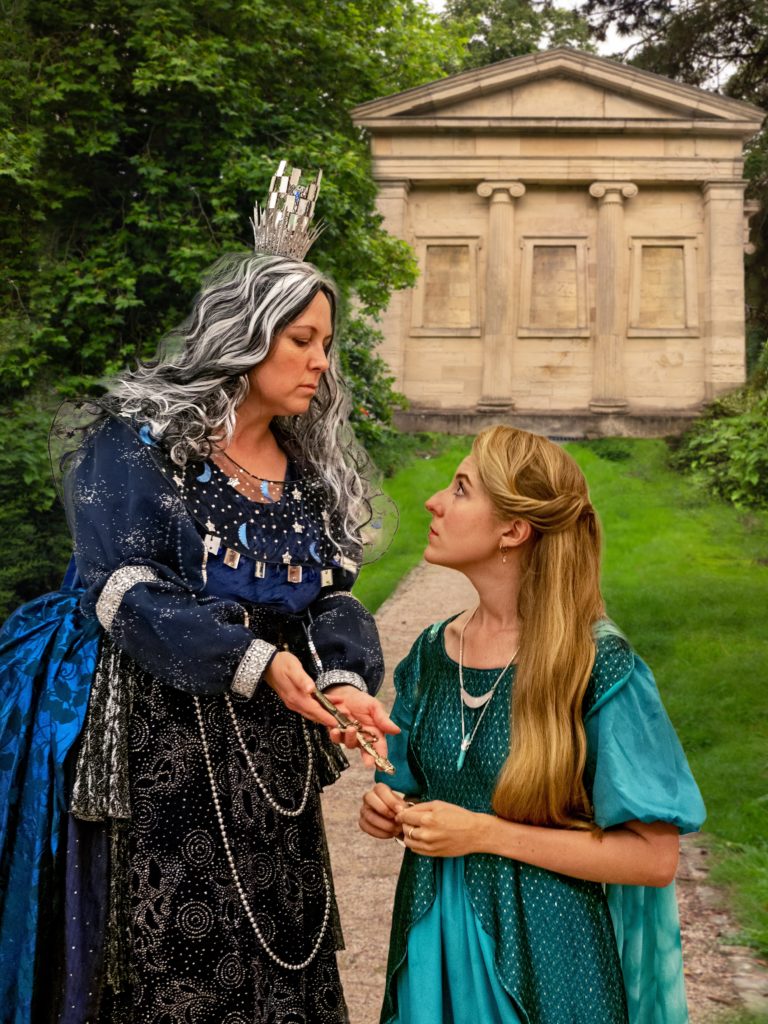
The singers clearly relish such a strong foundation. Foremost among them is Heather Watts, who returns to deliver another impeccable Queen of Night, fiery coloratura spiced with menacing gesture, a thrilling performance by any standards. David Valsamidis makes a witty, amiable Papageno, whose superb diction is allied to a warm baritone. Unlike some, he never forgets his audience.

Alexandra Mather is a fetching Pamina, whose emotions are conveyed not only by her clear soprano but also by complementary facial expressions, a valuable asset. Her Tamino is Hamish Brown, who takes the role that illness denied him last time round. His tendency to jerky movement undermines his princeliness, but his accurate if pinched tenor covers the ground well.

Monostatos might suit his personality better. That role goes to Ian Thomson-Smith, last time’s Papageno. He sings it musically but without quite the venom this nasty character demands. The Sarastro of Mark Simmonds is clad much like an orthodox priest; his bass is a little underpowered at the bottom of the range, but otherwise firm and decisive.

David Valsamidis: “Makes a witty, amiable Papageno” in his York Opera debut. Picture: Benjamin Lindley

Lesser roles are covered with distinction, reaffirming the company’s strength in depth. Clive Goodhead is an authoritative Speaker, doubling as an Armed Man (here described as Guardian of Fire), while Elizabeth Vile is a vivid Papagena.

I was much taken by the three Genies, Victoria Beale, Hannah Just and Maggie Smales – standing in for the usual ‘Boys’ – blending superbly like their rich white brocades, breeches and tricorns. Equally impressive are the spear-carrying Three Ladies, Annabel van Griethuysen, Rebecca Smith and Maggie Soper, a determined trio.

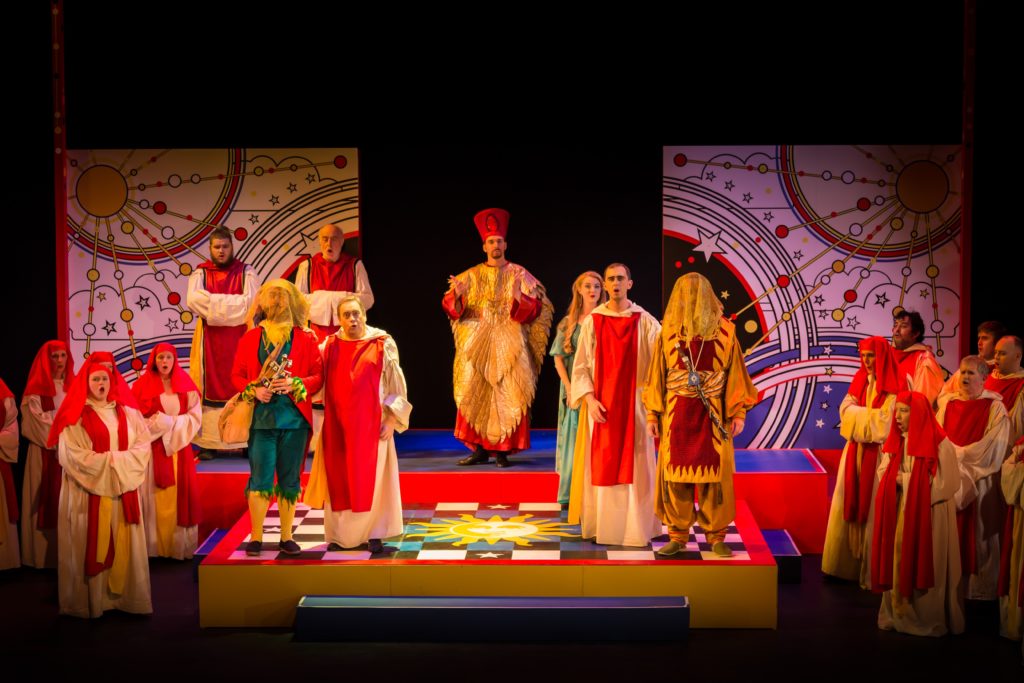
The chorus seems to have acquired some new blood and sounds fresh and committed. They are also very disciplined, moving with intent but keeping still when merely onlookers, which is easier said than done. I had forgotten how rich Maggie Soper’s costumes are, distinctive and a feast for the eye. A word, too, for Eric Lund’s nicely varied lighting.

John Soper’s own masonic-style permanent set fits the bill well: two panels of stars and planets divided by gold triangles and circle, with a chessboard platform in front. If it were a little closer to front-stage, some of the solo voices would resonate better than they do from further back. His production is now even more slick than before and more clearly organised; he merely needs to get some of the spoken dialogue better projected. But this is a cheering evening in so many ways and deserves widespread support.

Review by Martin Dreyer

Maggie Soper’s costumes in York Opera’s The Magic Flute: “Distinctive and a feast for the eye”. Picture: Benjamin Lindley

York Opera to return to York Theatre Royal after two-year hiatus with The Magic Flute

Alexandra Mather’s Pamina, Mark Simmonds’s High Priest Sarastro and Hamish Brown’s Prince Tamino in York Opera’s The Magic Flute. Picture: John Saunders

YORK Opera will return to York Theatre Royal after a pandemic-enforced two-year gap with Mozart’s The Magic Flute next week.

Sung in English to orchestral accompaniment, Mozart’s last great operatic masterpiece will be performed on November 2, 3 and 5 at 7.15pm and on November 6 at 4pm.

The story follows Prince Tamino and his quest to rescue his beloved Pamina from the grasp of her mother, the evil Queen of the Night, and return with her to the world of light presided over by Sarastro, the High Priest of Isis and Osiris.

Premiered in 1791, the year of Mozart’s death, The Magic Flute has a deep and serious theme: the ultimate triumph of light and enlightenment over the powers of darkness and superstition. Yet the story of a Prince finding his true love in a world of dragons, magic bells and magic flute serves as an operatic pantomime too, making it the perfect introduction to opera.

David Valsamidis: Making his York Opera debut as bird catcher Papageno

York Opera’s stage director for The Magic Flute is John Soper, a long-serving member, baritone soloist and publicity designer, who has designed the sets too. Musical direction is in the hands of Derek Chivers, whose last appearance with the company was as musical director and conductor for Carmen in 2018.

Among the many soloists will be Mark Simmonds as High Priest Sarastro, Heather Watts as Queen of the Night, Hamish Brown as Prince Tamino and Alexandra Mather as Pamina, while bass David Valsamidis makes his York Opera debut as Papageno, the Queen of the Night’s bird catcher.

To complement these five major roles, a dozen more named solo parts ensure York Opera’s wide-ranging vocal talent will be on display.

Tickets are on sale on 01904 623568 or at yorktheatreroyal.co.uk.

Heather Watts, as the Queen of the Night, left, and Alexandra Mather, as Pamina, in York Opera’s The Magic Flute. Picture: John Saunders

Meanwhile, a note from York Opera…

OPERA is possibly the most demanding of all the arts, especially for any young singers dreaming of becoming established performers.

Those setting out on such a road need reliable opportunities to learn and develop their craft both as singers and actors. Where are they to receive the support that they need?

Look at how York Opera responds to this need. This amateur opera group prides itself on its high standards and its determination to employ York and district orchestral musicians to accompany the productions of grand opera and other works, staged twice a year for more than 50 years.

Latterly too, York Opera has welcomed an influx of younger singers, who have complemented and extended the range of expertise within the group.

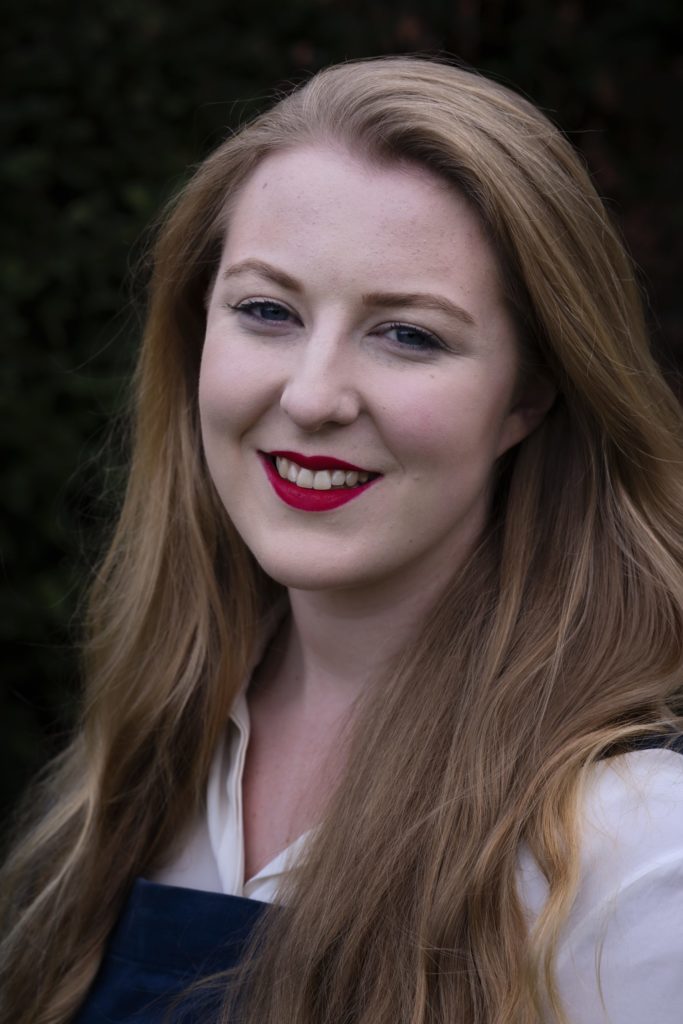
Alexandra Mather: York opera singer attended the Glyndebourne Academy in 2019. Picture: James Belloris

In addition, plans were in place to try out a handful of new stage directors and musical directors, moving on from their roles as assistants or repetiteurs. They were to have the support of an overall production manager, Clive Marshall, one of York Opera’s most experienced producers, and would have taken charge of four fully staged operatic excerpts to be performed at York’s National Centre for Early Music.

Unfortunately, the Covid pandemic brought everything to an abrupt halt. Now, nearly two years later, York Opera is almost back on track.

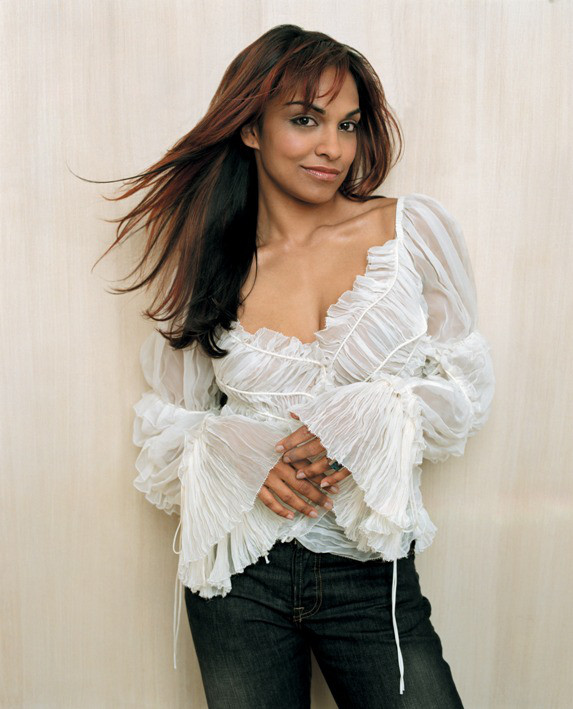
All these developments came under the umbrella of York Opera’s Stepping Stones project, one that received a boost from Australian soprano Danielle de Niese, whose home at Glyndebourne, in Sussex, has its own springboard: the Glyndebourne Academy.

This operatic development project aims to support gifted and talented young singers, and so far, two York Opera members, Andrew Powis and Alexandra Mather, have taken part, with hopes that others will do so in future.

Soprano Danielle de Niese: Letter of support to York Opera

Learning of this involvement, Danielle de Niese has provided a letter of support. “I was approached by the president of York Opera, Clive Goodhead, after a performance of Massenet’s Cendrillon at Glyndebourne Opera House. He explained that York Opera has a proud and firm reputation as a long-standing, highly successful amateur group up in Yorkshire.

“One of York Opera’s charitable aims is to provide opportunities for young singers, especially those who might entertain the idea of becoming future professionals. In this respect, its aims have much in common with those of Glyndebourne’s Academy programme.

“The latter is widely recognised as an amazing opportunity for young singers. Always massively oversubscribed, it represents a real achievement and outstanding opportunity for anyone who passes its auditions.

“York Opera, I am told, is delighted to have seen two of its younger members, Andrew Powis and Alexandra Mather, joining the project in recent times. I am most happy to offer both of these singers my best wishes for their operatic futures.

York Opera singer Andrew Powis, who has studied at the Glyndebourne Academy

“I am also more than pleased to offer my sincere appreciation to York Opera. It has my whole-hearted support as a vital early stepping stone for younger opera singers aspiring to be professionals one day.”

Alexandra Mather will be playing Pamina in The Magic Flute and around a dozen other principals and chorus members in next week’s production at York Theatre Royal are younger singers.

“Opportunities of this sort are vital if the United Kingdom is to provide reliable home-grown experiences as stepping stones for the next generation of professional opera performers,” says Clive Goodhead.

“Amateur groups of the quality and stability of York Opera deserve greater recognition and support themselves. The group is a registered charity (No. 700279), one of our aims being to educate in the art of opera. We are self-supporting, actively welcoming of new members and always seeking sponsorship.”

More information can be found at yorkopera.co.uk.