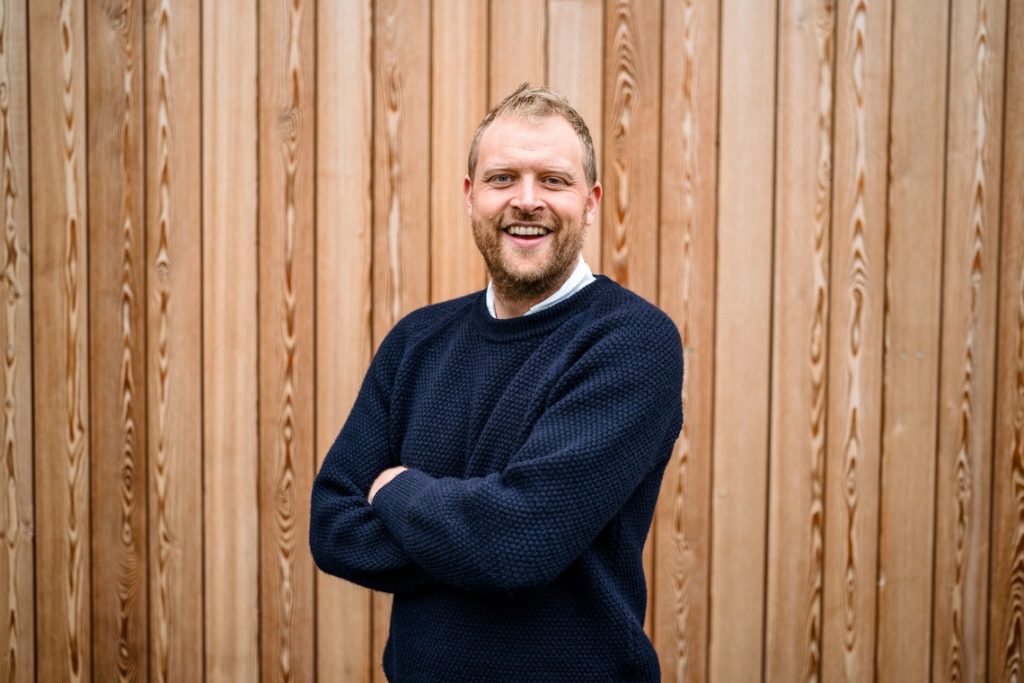
CHIEF executive Tom Bird is leaving York Theatre Royal after five years on February 3 to take up the equivalent post at Sheffield Theatres, England’s largest producing theatre complex outside London.
Head hunted for a post he “just couldn’t turn down”, he will migrate southwards to replace Dan Bates, who exited Sheffield last year after 13 years to become executive director of Bradford’s UK City of Culture 2025 programme.
From February 6, North Easterner (and Newcastle United fan) Tom he will be in charge of the South Yorkshire trio of Sheffield’s Crucible, Lyceum and Tanya Moiseiwitsch Playhouse (formerly the Studio), working closely with artistic director Robert Hastie and interim chief exec Bookey Oshin, who will stay on as deputy CEO, and the senior team.
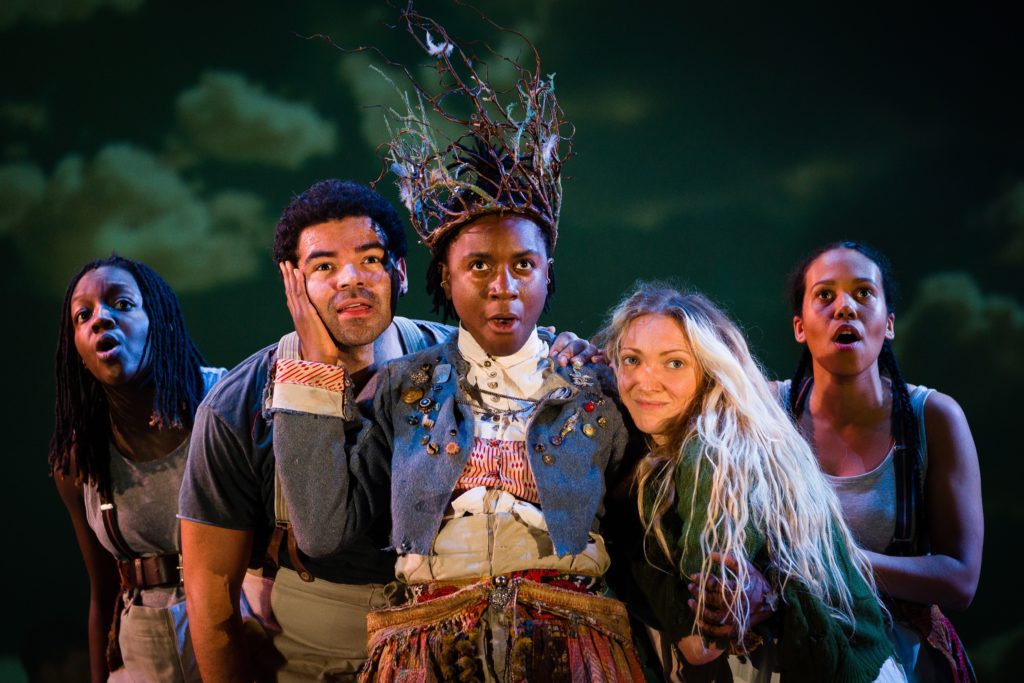
He leaves behind a York Theatre Royal where he has overseen an emphasis on community productions and the showcasing of York talent; the departure of innovative artistic director Damian Cruden after 22 years and Britain’s longest-running pantomime dame, Berwick Kaler, after 41; the promotion of Juliet Forster to creative director with a programming team, and new partnerships with Emma Rice’s Wise Children company (and in turn the National Theatre) and Evolution Productions for the pantomime’s new chapter.
Such change could be planned, but then there was Covid, a shadow cast from March 2020, one that not only shut down the theatre in lockdown but led to redundancies and later the loss of £250,000 takings in a flash when the Christmas and New Year week of Cinderella last winter fell foul to a glut of positive tests.
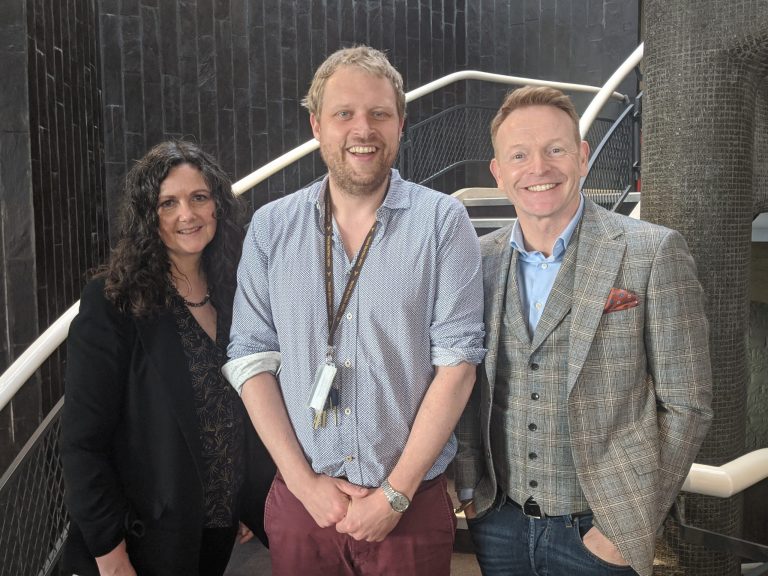
“We were on to our fourth Cinderella by then,” recalls Tom. “It was impossible to continue. It couldn’t have happened in a worse week. Losing those performances was awful, even though we got going again for the last performances.”
Twelve months on, Tom bids farewell with the Theatre Royal in a healthy position. “There’s money in the bank; there’s a great team working here; the pantomime is reinvigorated; the programming is good; there are excellent partnerships in place. I’m really proud of everything we’ve done,” he says.
“I don’t think I’ve ever had a mission as such as I guess I wanted to learn that mission as I went along, and I certainly think the Theatre Royal is in a strong position. The relationship with Arts Council England is so important, and to still be on the NPO scheme [for National Portfolio funding for £1.8 million for 2023-2026) is so important.
“If I have one regret – and I couldn’t turn down the opportunity to run Sheffield – it is that it would have been nice to now have had two or three ‘normal’ years at York Theatre Royal as it’s such a wonderful place.”
Looking back on becoming the Theatre Royal’s executive director at 34 – he would later change the title to chief executive – after he and his family moved to York in December 2017, Tom says: “It was a massive change because my unofficial title at the Globe [Shakespeare’s Globe in London] was ‘Mr International’, producing a tour of Hamlet to 189 countries, but my personal circumstances had changed already.
“We’d moved out to Kent; I’d been working as executive producer nationally and internationally, and though there was a lot of gloom about regional theatre at the time, I just thought, I’d love to get back north, to run a theatre.
“We’d co-produced plays to York, and there’s just something about the Theatre Royal, the building; the gorgeous auditorium.”
Nevertheless, Tom admits he was in for a surprise. “At first I thought, if you just transplanted London theatre here, it would work, but that was not the case,” he says. “York is a city of inequality, not the city that you would expect, and therefore not the theatre you would expect. You need to offer a cultural menu that caters for everyone. You have to fully fit in with the needs of the community, which is an exciting thing to do.
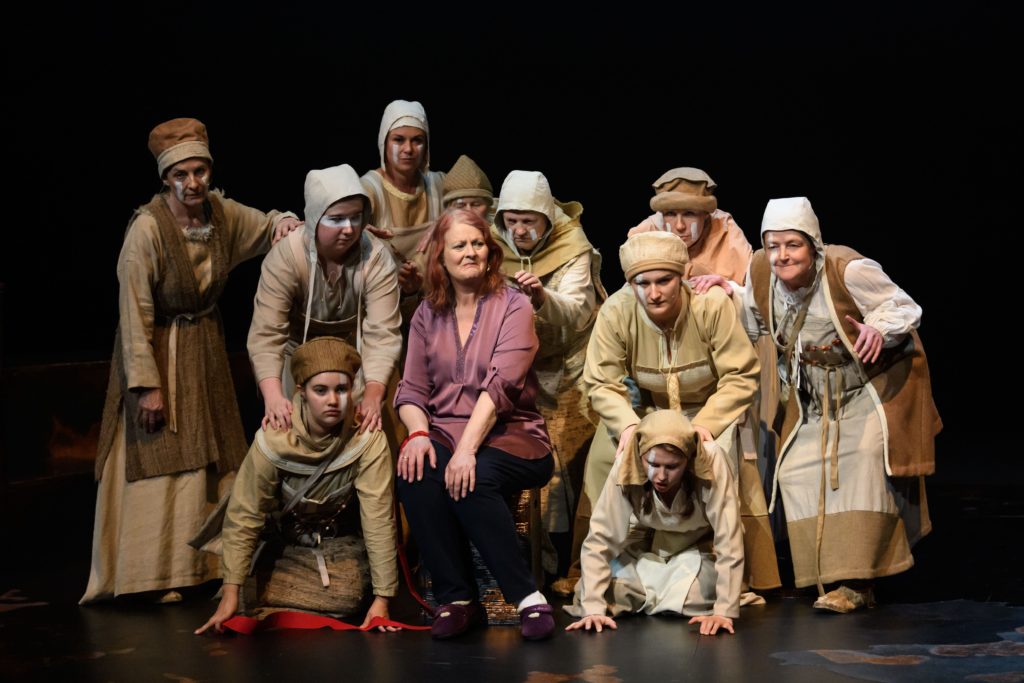
“After Damian left (in summer 2019), we wanted to make sure that we would be programming in a more collaborative way than we’d done before. I think there’s since been the same amount of co-producing of shows, but we also said we wanted to do ‘very Yorkshire’ productions, like The Coppergate Woman community play and David Reed’s world premiere of Guy Fawkes last autumn.
“We’ve created the programming team, led by Juliet Forster, with associate director John R Wilkinson and resident artists, that naturally produces a wide range of voices and makes sure everything is rigorously tested as to what we will put on that stage and why.”
Community theatre is crucial, Tom says: “It’s what audiences want. It’s absolutely what people in the community say they want to see. The audiences for our community plays are phenomenal. July’s production of CJ Sansom’s Sovereign is already on track to sell out. York wants theatre shows that tell stories of the city and we’ve always tried to do that in an experimental way, which leads to us taking risks.”
For all the weight of its history, York needs to be averse to standing still. “The city has to make sure it’s always being dynamic in its culture and outlook, otherwise it will take on the profile of being frozen in aspic,” warns Tom.
“That’s why we did a hippy-trippy, Covid-influenced Viking story [The Coppergate Woman] and a dark comedy version of Guy Fawkes that people didn’t expect. You have to be ambitious and surprising. That’s a word we use all the time: the reward for York audiences is to be pleasantly surprised.”
As for the changing of the old guard in the pantomime, Tom says: “I’m conscious that it’s what I’ll be remembered for here, which is a shame. Bringing down the curtain on something is not what I want to be remembered for, but, to an extent, whoever had my job at the time, was going to have to deal with it in some way.
“Maybe someone else would have taken a different route, or taken it earlier, but I worked on three of Berwick’s pantomimes, so it wasn’t as though I didn’t know what I was dealing with, but there was an issue coming down the road in ten to 15 years’ time , maybe earlier: family audiences were not coming to the panto in2017-2018, so what was going to happen in future years?
“I’d grown an affinity with the company in those three years, as everyone does; you realise the exceptional quality of performers like David Leonard, but in all conscience, I could not responsibly leave the situation as it was.

“I got a lot of public criticism – and a lot of private criticism too – and really there was a lack of understanding of what I was trying to achieve in making the change, which may have been my fault as I could have it explained it earlier, but everything I said at the time still stands.
“The audiences were declining and there was no obvious way of turning it around with that product still in place, and I would say that the decision to go into a partnership with Evolution Productions has been proved to be the right one.
“The new pantomime is still growing and we know there’s still work to do, but we’re really happy with how it’s going.”
After such highlights as The Travelling Pantomime’s socially distanced performances to York neighbourhoods in the first winter of Covid, the Love Bites and Green Shoots showcases for York professional theatre-makers, the Wise Children/National Theatre/York Theatre Royal co-production of Emily Bronte’s Wuthering Heights, and Tom’s groundwork for Kyiv City Ballet’s first ever British visit in June, he moves to Sheffield in the year he turns 40.
In the words of Lord Kerslake, chair of Sheffield Theatres Trust board: “We have appointed a driven, experienced and creative leader who will help shape the next chapter of this world-class organisation.”
Just as Tom Bird has shaped York Theatre Royal’s future too.