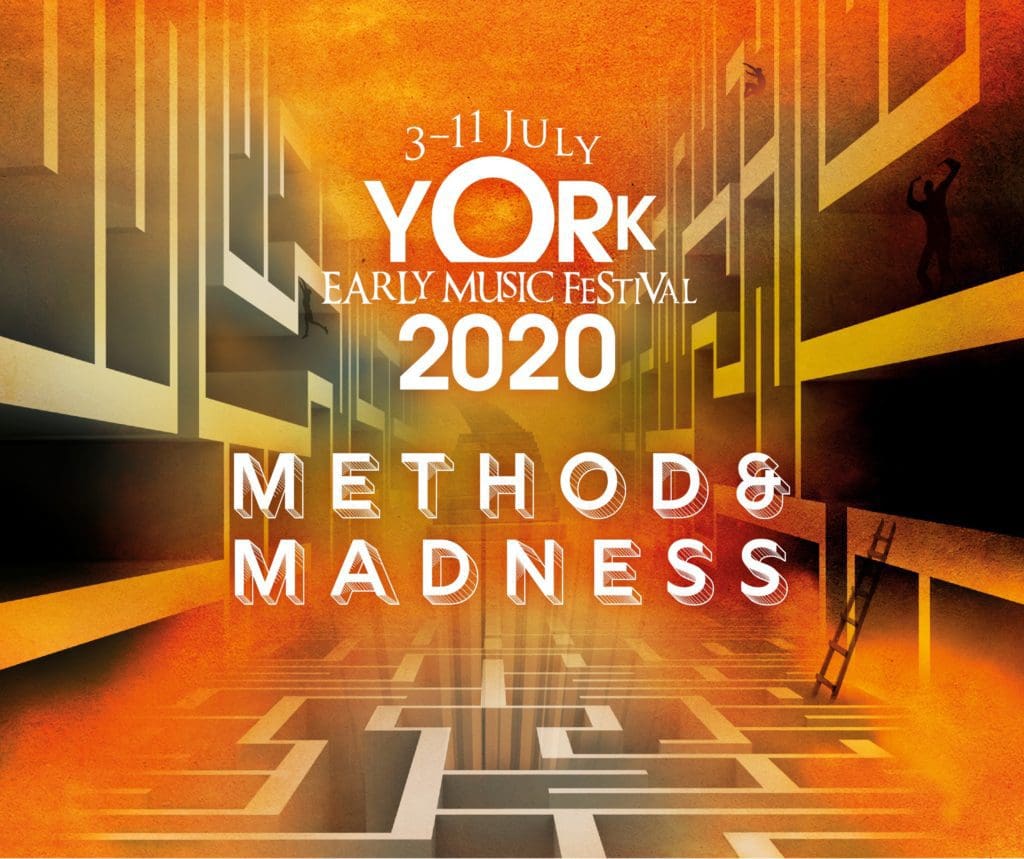

FOR the first time since 2019, the York Early Music Festival will be at full strength this summer for nine days of concerts, talks and workshops under the theme of Connections.
Highlights during the festival run from July 8 to 16 include The Sixteen, The Tallis Scholars and Gabrieli Consort & Players, all at York Minster, and the return of the York International Young Artists Competition.
The programme also features gamba specialists Paolo Pandolfo & Amélie Chemin; The Gonzaga Band; The Rose Consort of Viols; the University of York Baroque Ensemble; Orí Harmelin; Profeti della Quinta; the Yorkshire Baroque Soloists and Ensemble Voces Suaves.
Tickets are on sale on 01904 658338, at ncem.co.uk or via email to [email protected], with discounts available for Friends and under 35s.
“The festival presents a series of concerts linked together through a maze of interconnecting composers, shining a light on the many connections that hold us together in the past and into the future,” says director Delma Tomlin, explaining the festival theme.

Concerts will be supported by a series of illustrated talks, workshops, opportunities to ‘Come and Sing’ and informal recitals at a festival presented in historical venues such as York Minster, the Merchant Adventurers’ Hall, St Lawrence’s Church and the festival headquarters, the National Centre for Early Music (NCEM), in the medieval St Margaret’s Church building in Walmgate.
The festival’s grand finale will be the York International Young Artists Competition 2022, wherein ten groups from across Europe will give informal recitals at the NCEM at 10am and 2pm on July 14 and 15 before competing for the prize on July 16.
The winners will receive a professional CD recording contract from Linn Records, a cheque for £1,000 and opportunities to work with BBC Radio 3 and the NCEM. Additional prizes will be supported by Cambridge Early Music, the European Union Baroque Orchestra Development Trust and the Friends of York Early Music Festival.
“We are delighted to be presenting a nine-day festival of music in our beautiful city, staged in some of the country’s most architecturally stunning buildings,” says Delma.
“This year’s theme is Connections, connecting and indeed reconnecting music, artists and, of course, our audiences. As always, we’ll be celebrating the glorious music of the past but also looking forward, as we’re able at last, to stage the York International Young Artists Competition, showcasing and nurturing the performers of the future.

“We’re so pleased to be back at full strength, and we can’t wait to welcome you to York for what promises to be one of the most exciting festivals to date.”
Those unable to attend are advised that the festival will be offering many of the concerts online across the summer. Full details will be available from ncem.co.uk.
Audience safety and comfort is a continuing priority in an ever-changing environment for the NCEM and York Early Music Festival. Check out the full guidance at ncem.co.uk/covid-guidelines.
The 2022 York Early Music Festival programme:
July 8, 7.30pm: Paolo Pandolfo & Amélie Chemin, viola da gamba duo, Heavans Joy, The World of the Virtuoso Viol, at NCEM, York.
July 9, 9.30am: Master And Pupil, workshop led by The Gonzaga Band director Jamie Savan, at Clements Hall, Nunthorpe Road, York. Singers and players of Renaissance wind and string instruments look at the polychoral repertory of Giovanni Gabrieli and Heinrich Schütz.
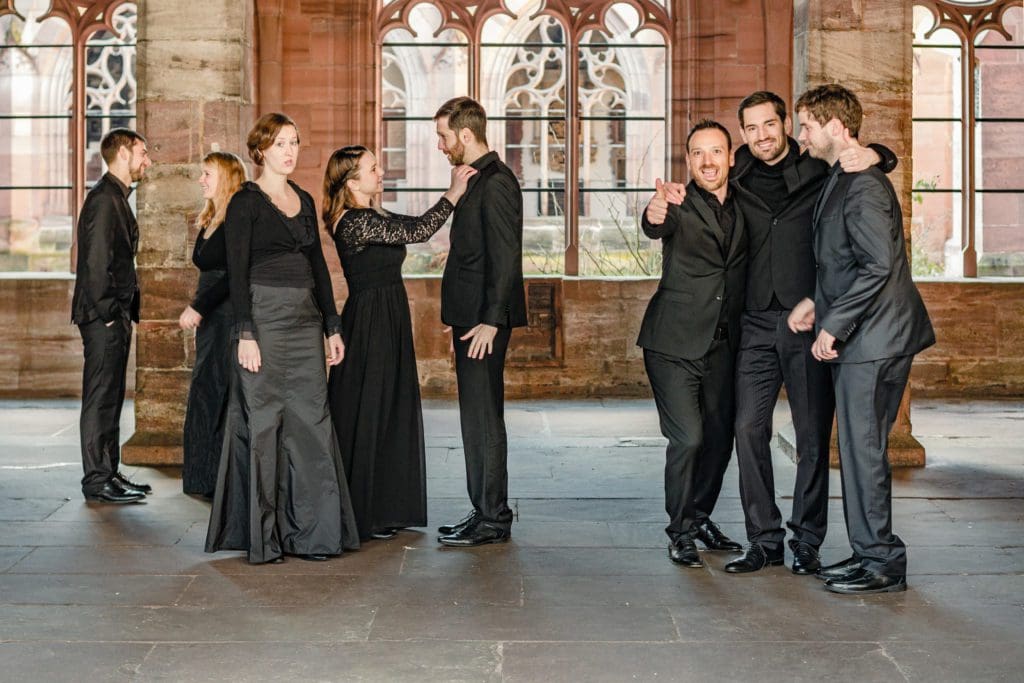
July 9, 12 noon: The Sixteen Insight Day, at NCEM, York. Insight Day explores stories behind The Sixteen’s Choral Pilgrimage repertory. Discover more with singer and practical scholar Sally Dunkley, organist Robert Quinney and a consort of Sixteen singers.
July 9, 7.30pm: The Sixteen, Author Of Light, at York Minster. Harry Christophers directs a choral programme focused on Hubert Parry’s Songs Of Farewell.
July 10, 2pm: The Early Music Show, BBC Radio 3 live broadcast presented by Hannah French with selected festival guests, at NCEM; free to those attending a festival event. Immediately afterwards, violinist Kati Debretzeni presents delayed 2020 York Biennial Lifetime Achievement Award to violinist Catherine Mackintosh.
July 10, 4.45pm: Minster Minstrels, Fairest Isle, directed by Ailsa Batters, at Unitarian Chapel, St Saviourgate, York. NCEM’s youth instrumental ensemble performs music from the late 17th-century theatre, court and household to demonstrate the influence of the new Italian and French styles in post-Restoration England.
July 10, 7.30pm: The Gonzaga Band, Venice 1629, directed by cornett player Jamie Savan, at NCEM, York. Vocal works by Claudio Monteverdi and Alessandro Grandi and virtuosic Baroque instrumental music by wind player Dario Castello and violinist Biagio Marini feature in a series of snapshots from an extraordinary year in the life of this most musical of cities.
July 11, 10.30am: Schutz In Venice, illustrated talk by Jamie Savan, at Bedern Hall, York. On his second visit to Venice in 1628-29, German composer Heinrich Schütz would surely have met Monteverdi, by now maestro di cappella at St Mark’s, but this talk also introduce lesser-known 1620s’ Venetian innovators in modern vocal and instrumental music.
July 11, 1pm: Rose Consort of Viols, with virginals player Steven Devine, Music For Severall Friends, at NCEM, York. Anniversary-marking concert of viol consort works by two British composers, the conservative Thomas Tomkins (born in 1572) and the more radical Matthew Locke (b.1622).
July 11, 7.30pm: The Tallis Scholars, Choral Connections, at York Minster. Director Peter Phillips explores connections between Josquin des Prez and his successor at the Sistine Chapel, Palestrina; Byrd and his English forebear Taverner.
July 12, 10.30am: An Italian In London, illustrated talk on The Case of Angelo Notari, musician and spy, by Jonathan Wainwright, at Bedern Hall, York. Italian-born Notari moved to England in 1611, making his career as a court musician. Little was known about his time in Italy, until recently, prompting this examination of his life and (newly attributed) compositions.
July 12, 1pm: La Vaghezza, Sculpting The Fabric, at St Lawrence’s Church, Hull Road, York. Stars of the EEEmerging+ programme, this young Italian ensemble presents early-17th century Italian works by Cavalli, Merula, Vitali, Fontana and Rossi from debut album Sculpting The Fabric.

July 12, 7.30pm: Profeti Della Quinta, Lamento d’Arianna, Italian Renaissance music from Rore to Monteverdi, at NCEM, York. Winners of the 2011 York Early Music International Young Artists Competition take a journey that connects early 16th-century ‘classical’ madrigal to Monteverdi’s ‘operatic’ solo madrigals in 17th-century Mantua.
July 13, 1pm: University of York Baroque Ensemble, Mannheim Travels To Fife,
Early Symphonists and Two Brothers, at St Lawrence’s Church, Hull Road, York. Highlighting works by Mannheim symphony kick-starter Johann Stamitz, Italian brothers Giovanni Battista and Giuseppe Sammartini, Johann Christian Bach and Scottish composer Thomas Erskine.
July 13, 7.30pm: Gabrieli Consort & Players, A Venetian Coronation, 1595, directed by Paul McCreesh, at York Minster. Spectacular re-creation of the festive Coronation Mass of the Venetian Doge Marino Grimani at St Mark’s, Venice, in 1595, to mark the Gabrieli Consort’s 40th anniversary.
July 13, 9.45pm: Ori Harmelin, Neshima: The Hebrew For Breath, at Undercroft, Merchant Adventurers’ Hall, Fossgate, York. Theorbo specialist explores arrangements of madrigals, motets and chansons by Cipriano de Rore, Josquin des Prez and Thomas Tallis, complemented by Harmelin’s compositions and Irishman Simon McHale’s The Orbo.
July 14 and July 15, 10am and 2pm: International Young Artists Competition Recitals 1 and 2, at NCEM, York. Informal recitals featuring all the ensembles taking part in the 2022 competition, performing music from the Middle Ages to the early Classical period, introduced by master of ceremonies Professor John Bryan.

July 14, 7.30pm: Yorkshire Baroque Soloists, Bach’s Other Leipzig, directed by Peter Lawrence, at St Lawrence’s Church, Hull Road, York. Not only composing for two churches when in Leipzig, Bach also wrote four ‘Lutheran masses’ in 1738/39 and the Coffee Cantata for Zimmermann’s Caffeehaus, a miniature comic opera on the pressing subject of coffee addiction, featured here.
July 15, 4.30pm: Come and Sing Handel’s Messiah, at St Olave’s Church, Marygate, York. Peter Seymour, conductor, and Ben Horden, organ, invite allcomers to Come and Sing a selection of choruses from Handel’s Messiah in a short rehearsal and performance.
July 15, 7.30pm: Ensemble Voces Suaves, Enrico Sagittario: Heinrich Schütz in Italy, at St Lawrence’s Church, Hull Road, York. Exploration of the Italian side of German composer Heinrich Schutz, putting music from his debut collection alongside madrigals by Gabrieli and Monteverdi that inspired him, plus toccatas for theorbo by Girolamo Kapsberger, an Italian composer with roots in Germany.
July 16, 10am: York International Young Artists Competition, at NCEM, York. 2022 competition, featuring ten groups, will be presented by John Bryan and judged by Edward Blakeman, from BBC Radio 3; Albert Edelman, president of Réseau Européen de Musique Ancienne; Linn Records producer and recording engineer Philip Hobbs; violinist Catherine Mackintosh and harpsichordist and professor Barbara Willi.