Festival of the week: York Chamber Music Festival, September 11 to 13

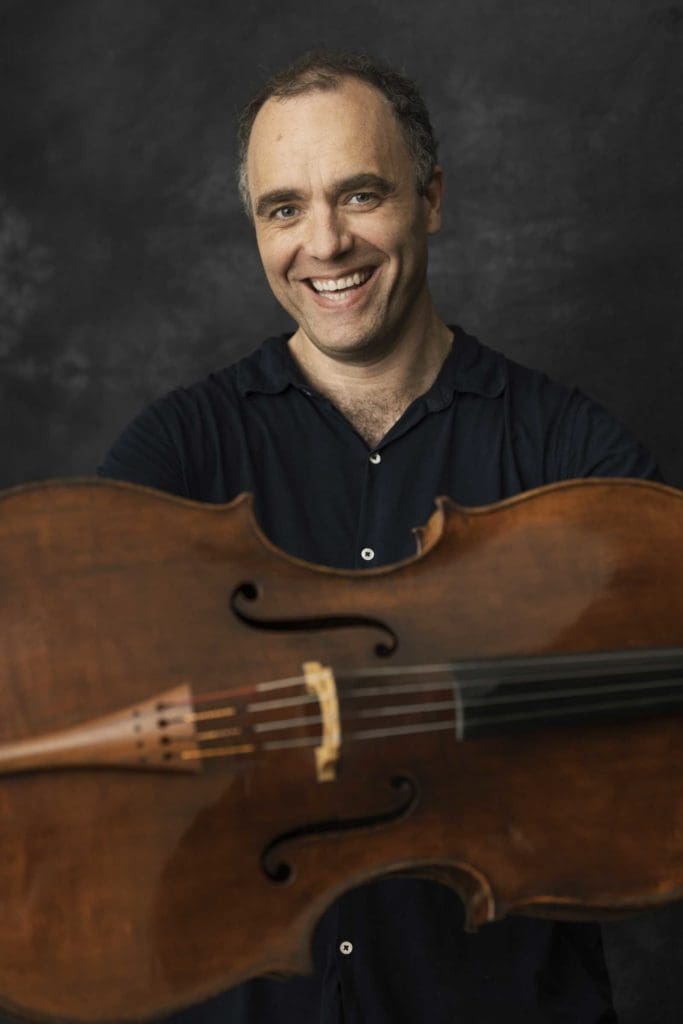
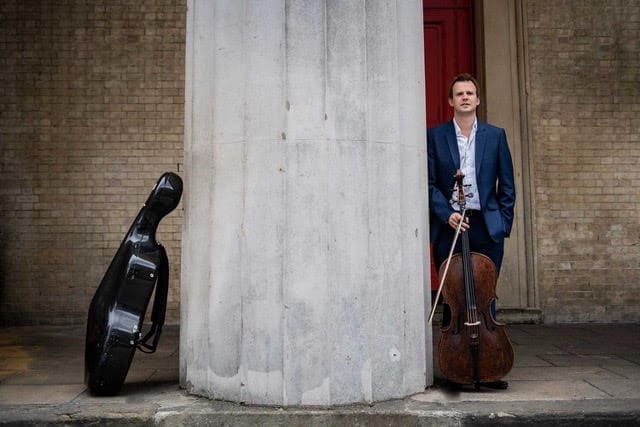
Tim Lowe: York Chamber Music Festival founder, artistic director and cellist

SINCE its founding by cellist Tim Lowe in 2013, York Chamber Music Festival has gone from strength to strength.

This year the festival has invited six of the best string players in Europe – Charlotte Scott and Tim Crawford, violins, Simone van der Giessen and Lilli Maijala, violas, and Adrian Brendel and Lowe, cellos, to participate, along with regular festival artist Katya Apekisheva, the British-based Russian pianist.

This week’s event at the National Centre for Early Music (NCEM), Walmgate, Union Chapel, St Saviourgate, Sir Jack Lyons Concert Hall, University of York, and St Olave’s Church, Marygate Lane, celebrates the brilliance of the chamber music repertoire, focused on the radiant, melody-rich string quintets of Mendelssohn and Brahms.

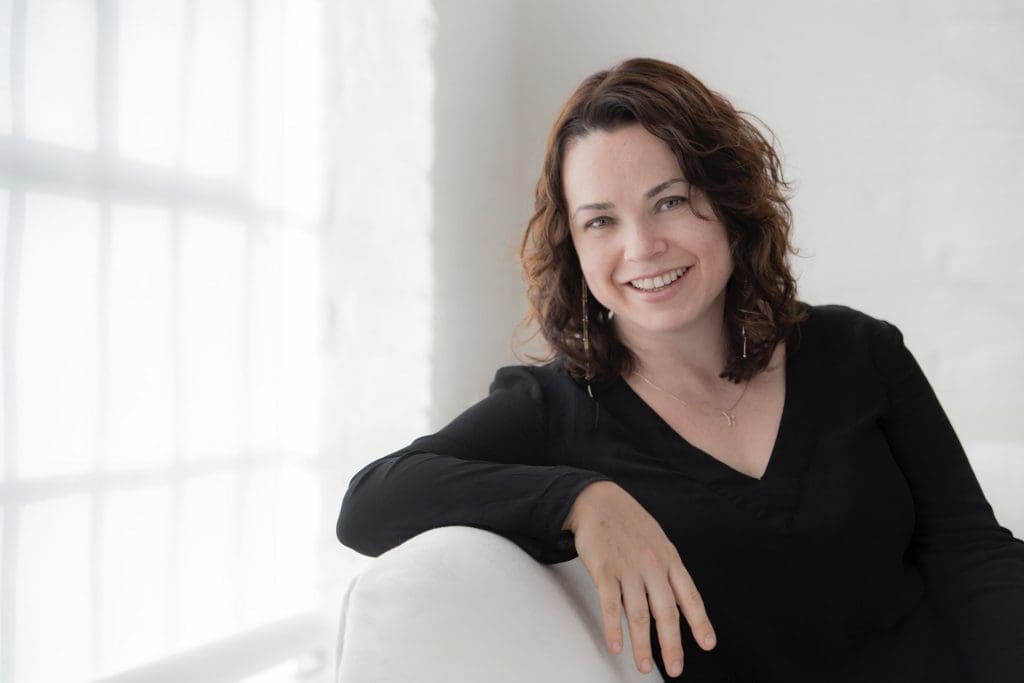
Pianist Katya Apekisheva

Across the weekend, festival-goers can experience music in all imaginable instrumental combinations, from the profound intimacy of Brendel’s solo cello recital featuring Bach’s Suite No. 2, to a dynamic duo performance by Lowe and Apekisheva and expansive works for quartet and quintet.

Headline highlights include Mendelssohn’s Piano Trio in D minor — hailed by Schumann as “the master trio of our age” — and Chopin’s lyrical Cello Sonata, his undisputed chamber masterpiece.

“We are also thrilled to present Beethoven’s rare and sublime C Major String Quintet, an 1801 gem that features a slow movement of breathtaking warmth and beauty that bridges his early classical style with the vast ‘inner world’ slow movements he became famous for later in life,” says artistic director Lowe.

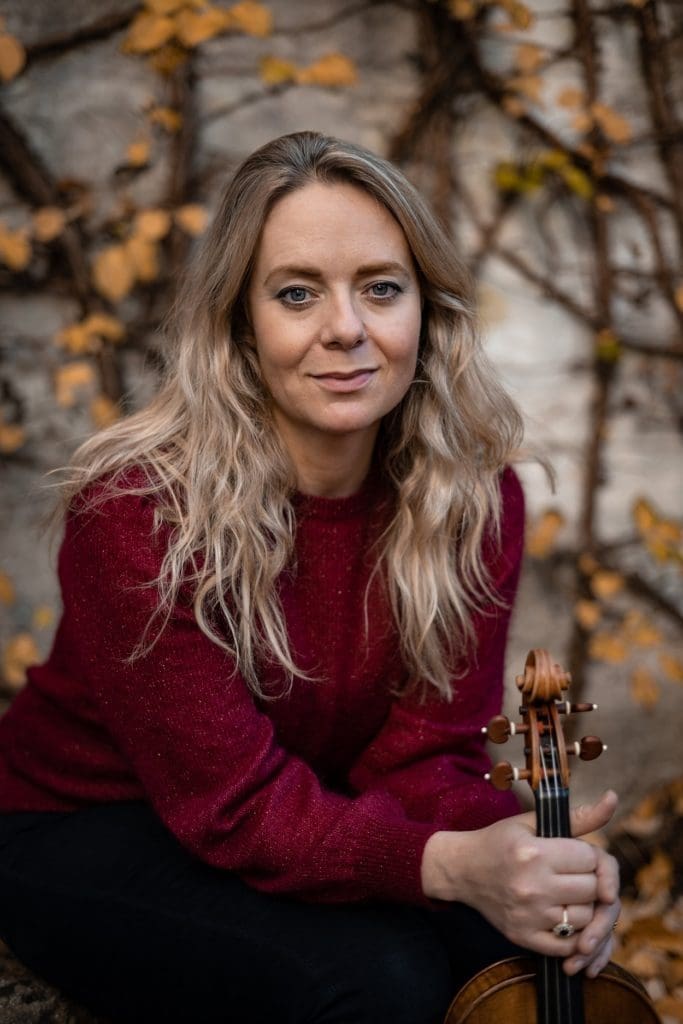
Violinist Charlotte Scott

Violinist Tim Crawford. Picture: Andrej Grilc

After last year’s festival, Lowe was gratified to receive this message among the audience feedback: “What spontaneity, what passion, what delight in collective music-making, what beauty! They listen and respond to each other, play for, and to, and with their friends (as they so obviously are), sharing their pleasure with us – and we are privileged to overhear that love for and engagement with the music, true chamber-music playing.”

The full programme can be found at the festival website: https://www.ycmf.co.uk/2026-programme. Tickets are available from the NCEM box office, at St Margaret’s Church, Walmgate, York. Alternatively, book at ycmf.co.uk or phone 01904 658338 in office hours. A Festival Saver ticket offers extra value for those wanting to attend multiple concerts. Those aged 18 and under can enjoy free admission to all events.  

Cellist Adrian Brendel. Picture: Peter Adamik

Festival programme in brief:

Today, 1pm to 2pm, Unitarian Chapel, cello recital, Tim Lowe and Katya Apekisheva play Mendelssohn’s Variations Concertantes, Chopin’s Cello Sonata and Martinů’s Rossini Variations.

Today, 7.30pm, NCEM, Charlotte Scott, Tim Crawford, Simone van der Giessen, Lilli Maijala, Tim Lowe and Adrian Brendel play Joseph Haydn’s String Quartet in D major, Op. 20, No. 4, Sergei Rachmaninoff’s ‘Romance’ from String Quartet No. 1 (Andante espressivo) and Felix Mendelssohn’s String Quintet No. 2 in B flat major, Op.87.

Nordic viola player Lilli Maijala

Tomorrow, 1pm to 2pm, Unitarian Chapel,  cello recital, Adrian Brendel plays Imogen Holst’s The Fall Of The Leaf and J. S. Bach’s Cello Suite No 2 in D Minor.

Tomorrow, 7.30pm, Sir Jack Lyons Concert Hall, Charlotte Scott,Tim Crawford, Simone van der Giessen, Lilli Maijala, Tim Lowe, Adrian Brendel and Katya Apekisheva play Felix Mendelssohn’s Piano Trio No 1 in D minor Op 49, Gustav Mahler’s Piano Quartet (movement) in A minor – Nicht zu schnell (not too fast) and Johannes Brahms’s Piano Quartet in C minor Op 60.

Sunday, 3pm to 4.30pm, St Olave’s Church, Charlotte Scott,Tim Crawford, Simone van der Giessen, Lilli Maijala, Tim Lowe and Adrian Brendel play Ludwig van Beethoven’s String Quintet in C Major Op. 29 and Johannes Brahms’s String Quintet in F major, Op. 88.

Viola player Simone van der Giessen

REVIEW: Steve Crowther’s verdict on Mishka Rushdie Momen and Friends at Ryedale Festival

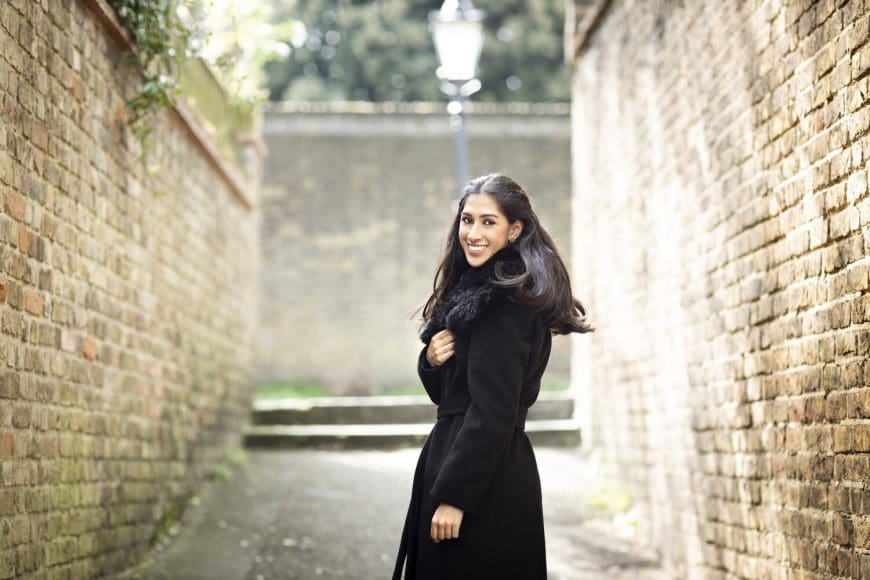
Mishka Rushdie Momen: “Clearly one of the most thoughtful, gifted and sensitive British pianists”

Ryedale Festival: Mishka Rushdie Momen and Friends, National Centre for Early Music, York, July 25

IT’S an odd thing about the NCEM acoustic at St Margaret’s Church: the spoken voice is difficult to hear clearly, unless of course you use a microphone, as in the preconcert introduction.

This was true of both spoken contributions from violinist Tim Crawford and Ms Momen, and yet I could hear the pizzicato playing by cellist Tim Posner resonating beautifully throughout the performance. Mind you, he is a very fine player.

Anyhow, to the concert itself. Mishka Rushdie Momen and Friends suggested an intimate gathering of people who are on close terms with each other, and this is exactly what we got. The performers were at ease with each other.

They happily shared the dialogue, listening carefully to each instrumental utterance before replying. They even (musically) flirted with each other; the second canonic study by Schumann was a veritable love duet between violin and cello.

So, let’s start with the Schumann Six Etudes in Canonic Form Op. 56. Evidently, he wrote these pieces in 1845 as an attempt to overcome his “writer’s block”. They were originally written for organ or pedal piano, but it was Schumann’s friend, Theodor Kirchner, who later arranged these for piano trio. The canonic form is one of discipline, of formal conversation; we don’t usually tend to hear it sing, but it does here.

Following the tender second study touched on earlier, any whiff of the academic template is dispelled by the lovely Schumanesque melodic sound world. The music is joyous and so was the playing.

The fourth was conveyed as the charming romantic song it is, with lovely shaping of the musical phrases and rippling decoration. The performers clearly had fun with the very rhythmic, dance-like fifth and in the sixth they delivered a heartfelt, yearning finale. Moving too.

This brings us to the opening work, Smetana’s Trio in G minor, Op. 15. The Trio was written in response to the death of the composer’s four-year-old daughter, Bedriska, of scarlet fever in 1855. The players really captured the quite violent contrasts of the opening allegro moderato. Tender cello and violin solos crescendoed into full-throttle drive. These melted into both delicate and impassioned outpourings of nostalgic memory and grief.

There were echoes of Brahms in the work, but the overall impression conveyed was distinctly Czech; particularly in the thrilling second movement with its musical windows of reflection and the nervous energy of the brilliantly performed allegro finale.

Ms Momen’s performance of the wonderfully descriptive Smetana work, Memories Of Bohemia in the form of Polkas, was a real treat. Lovely touch, phrasing, expressive rubato and executed with real panache.

Mendelssohn’s Piano Trio in D minor Op.49 is a terrific work, and the trio delivered a terrific performance. Tim Posner’s opening cello theme was delivered with purpose and nobility. Ms Momen’s agitated accompaniment, at first chordal, then transformed into flights of bristling arpeggios as the theme is repeated.

The contrapuntal reworkings of the second, song-like melody were beautifully judged, as was the opening cello’s melody, now joined by a haunting descending line in the violin. The assai animato signing-off seemed to set the instruments on fire.

There was a quite intimate call and response about the Songs Without Words second movement. For example, in the opening musical piano invitation to the violin and cello to join the dance. The piano writing in the exuberant Scherzo is a virtuosic tour de force. And yet, captured in this performance, there is also magic in the air.

I loved the way the passages were thrown to each of the performers in turn, as in some musical game. The way the music effortlessly dissolved into the ether was delightful.

Apart from Tim Posner’s rather unexpected sweeping Mendelssohnian cello melody, this finale was very much hang-on-to-your-hats time. The driver is very much the piano, the writing is seriously demanding, and Ms Momen’s technique and musicality delivered. The final climax integrates the virtuosic and the song, with a crowd-pleasing signing off.

Mishka Rushdie Momen is clearly one of the most thoughtful, gifted and sensitive British pianists and consequently well equipped to embrace both solo and chamber music performance. Mishka Rushdie Momen and Friends – here the excellent Tim Crawford (violin) and Tim Posner (cello) – gave us a concert of equality of engagement, insight and enrichment.

Review by Steve Crowther

Secret Link