Alice Rose Palmer: Playing Sparkle in A Christmas Sparkle at Pocklington Arts Centre
ALICE Rose Palmer and Joe Parker will be the cast for Pocklington Arts Centre’s Christmas production, A Christmas Sparkle, from December 11 to 24.
Marking the fourth collaboration between playwright Elizabeth Godber and PAC, the festive show will take families on a new adventure with best friends Sparkle and Fitz as they search for the Sugar Plum Fairy and Sparkle’s true destiny.
Cue festive magic, songs and local references aplenty in Godber’s third Christmas show at PAC, following 2025’s Jingle All The Way and 2024’s Jack Frost’s Christmas Wish.
In the fairy grotto, everyone has a role and knows what they have to do: from the secretary fairies to the tooth fairies, the Christmas tree fairies to the famous Sugar Plum Fairy! Everyone, that is, except for Sparkle, who does not know what type of fairy she is.
A Christmas Sparkle playwright Elizabeth Godber
Pocklington Arts Centre director Kelly Munro-Fawcett says: “We’re really excited to bring A Christmas Sparkle to PAC this year. We want to create more opportunities for local children and families to experience live theatre and creativity at PAC. We hope you’ll make our Christmas show part of your family tradition and join us for some fun, creativity and sparkle this December.”
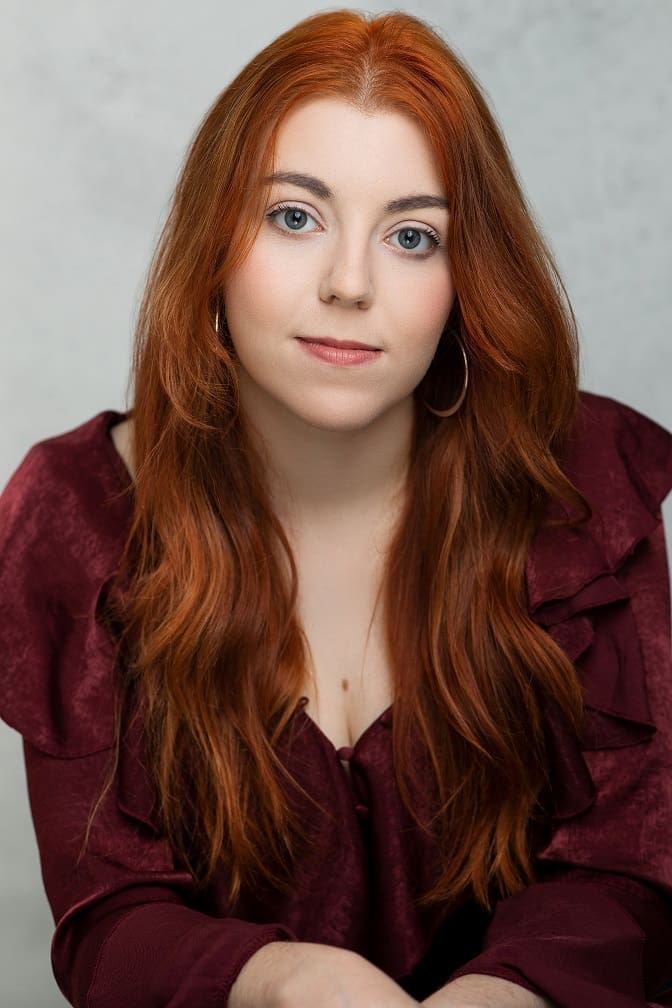
Alice Rose Palmer, a multi-faceted performer from Hull, will play Sparkle. Her theatre credits include Isabelle (Middle Child Theatre), How To Be Brave (Other Lives Productions), Beverley Does Broadway, Bombshells and It’s Different For Girls (She Productions), as well as Toad On The Wolds (East Riding Theatre).
Alice is co-artistic director of She Productions, where she has co-written and performed in 15 original shows.
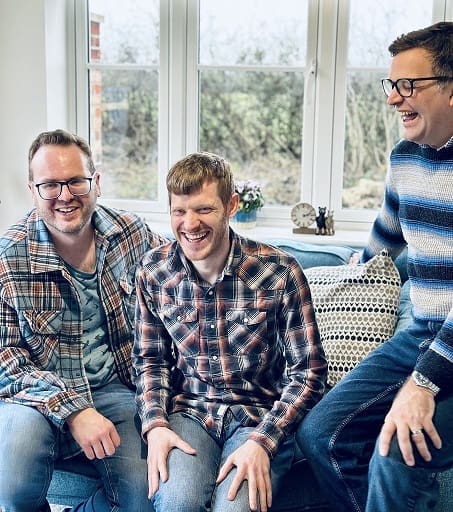
Joe Parker will play Fitz. His extensive theatre credits include Robin Hood (The Dukes Theatre), Prince Charming in Cinderella (CAST Doncaster), Mercutio in Romeo & Juliet (Teatro Stabile Verona), Laertes/Rosencrantz/Player in Hamlet (Iris Theatre), John Thorpe in Northanger Abbey (Theatre Royal Bury St Edmunds/UK tour) and Hotspur in Henry IV (Waterloo East Theatre).
Joe Parker: Cast as Fitz in A Christmas Sparkle at Pocklington Arts Centre
Among his television credits are Stevo in The Baby (Sky/HBO) and Archie Campbell in Doctors (BBC), alongside short film credits including A Dog’s Life, Safe, Drifting and Compulsion and radio work for BBC Radio 4.
Joining Elizabeth Godber in the creative team for A Christmas Sparkle are director Millie Gaston, producer Kelly Munro-Fawcett and stage manager Siobhan Ashton. Dylan Allcock returns as musical director after taking on the role for last winter’s Jingle All The Way.
A Christmas Sparkle, Pocklington Arts Centre, December 11 to 13, then December 19 to 24, including a special relaxed performance with British Sign Language interpretation on Sunday, December 13 at 10.30am.
Performances: December 11, 7.30pm; December 12, 13, 19, 20, 21, 22 and 23, 10.30am & 2.30pm; December 24, 10.30am. Box office: 01759 301547 orpocklingtonartscentre.co.uk.
The poster for Elizabeth Godber’s A Christmas Sparkle at Pocklington Arts Centre
Martyn Joseph: Playing All Saints Church, Pocklington on November 19
HURRICANE Promotions will present three concerts at All Saints Church, Pocklington, in the coming months.
In the diary are Martyn Joseph on November 19, The Young’uns At Christmas on December 22 and An Evening With Josh Ritter (Solo) on January 29 2027, all starting at 7.30pm.
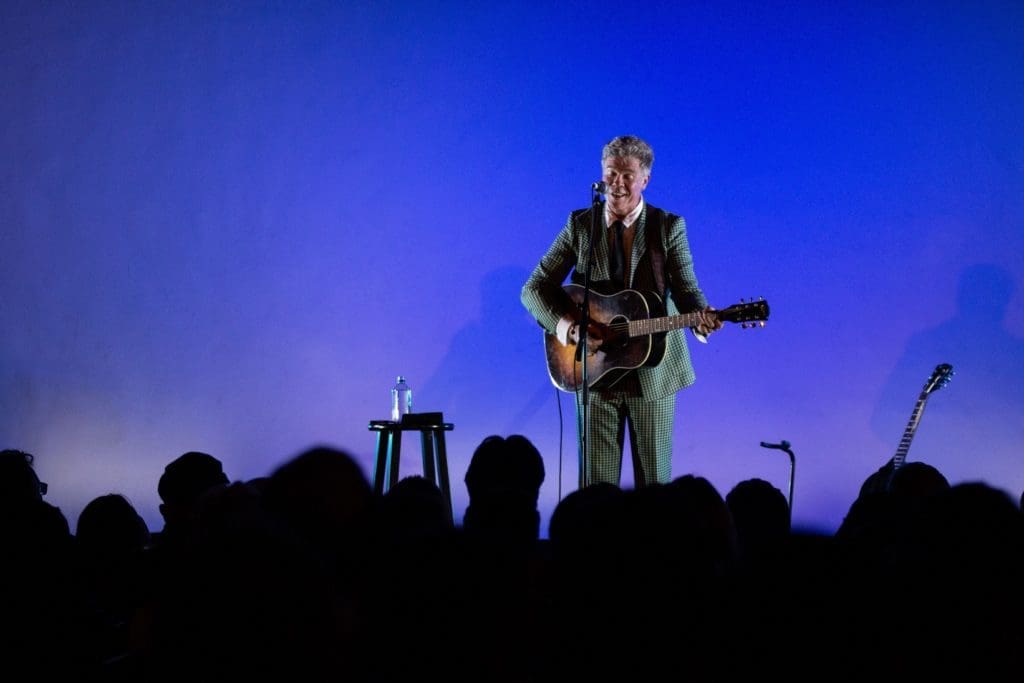
Welsh singer-songwriter Martyn Joseph will be returning to Pocklington, where all his previous concerts have sold out. Noted for his emotional power and honesty, his shows combine poetic songwriting, social observation and moments of pin‑drop intimacy.
Expect refreshed energy, new stories and a renewed sense of purpose shaped by time away from the stage in an evening of songs of hope, struggle, compassion and the everyday heroism found in ordinary lives.
Joseph’s set will move from soaring anthems to quiet, reflective moments, delivered with the warmth, humour and generosity that have become his trademark. Ticket demand will be high, so early booking is essential at martynjoseph.net.
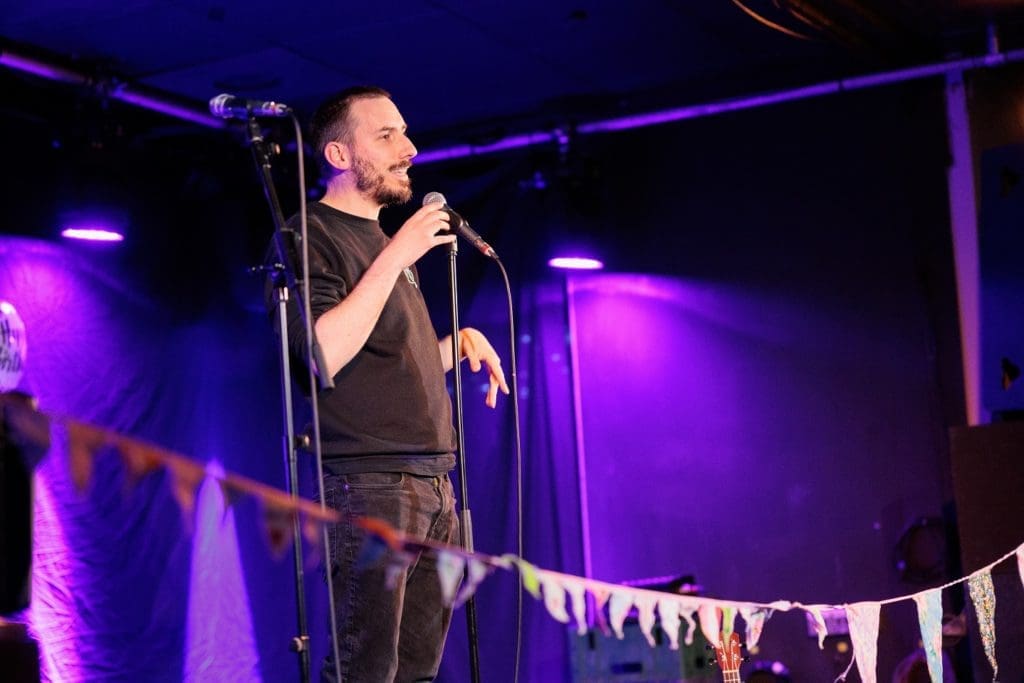
The Young’uns At Christmas: Playing seasonal songs old and new at All Saints Church, Pocklington, on December 22
Three-time BBC Radio 2 Folk Award winners Sean Cooney, Michael Hughes and stand-up comedian David Eagle, of Teesside combo The Young’uns, have spent two decades proving that stories sung in three-part harmony can change the way we see the world. Now comes their special set of seasonal songs old and new at All Saints Church, Pocklington, with tickets on sale via theyounguns.co.uk.
“Their concerts are packed with glorious singing, warm harmonies, heartfelt storytelling, relentless repartee and quick-fire humour, creating evenings that leave audiences uplifted, inspired and thoroughly entertained,” says promoter James Duffy.
Rooted in Stockton, County Durham, but celebrated far beyond, The Young’uns have become one of the UK’s most loved folk acts, touring extensively throughout Britain and internationally across Europe, North America and Australia, performing everywhere from village halls and arts centres to major concert halls and festivals.
Along the way, they have released nine albums since 2007, including the 2018 BBC Radio 2 Folk Award-winning Strangers and most recently 2023’s Tiny Notes.
“Few live acts can make an audience laugh, cry and sing at the top of their lungs in the space of two hours. The Young’uns do it every night,” says James.
Their work has continually pushed the boundaries of what folk music can achieve. The Ballad Of Johnny Longstaff, telling the remarkable true story of a young Teessider who fought fascism in the 1930s, grew from a 2019 concept album into a theatre production that toured nationally and internationally, including playing York Theatre Royal in October 2021 with its combination of documentary, theatre and song.
Alongside their touring, The Young’uns have written for BBC Radio 4, collaborated with leading orchestras, appeared on national television and radio and delivered workshops and community projects across the UK.
“Whatever the setting, their belief remains the same: the best songs are about real people, and the most powerful stories are often hidden in plain sight,” says James.
Josh Ritter: Playing Leeds and Pocklington on his Acoustic Europe Tour 2027
Josh Ritter’s Acoustic Europe Tour 2027 will open at the Howard Assembly Room, Leeds, on January 28 (also promoted by Hurricane Promotions) before the Idaho-born American singer-songwriter, artist and author plays Pocklington the following night.
“Hello all! I’m coming back to Ireland, the UK and the Netherlands early in the new year for a solo tour!” Ritter posted on Instagram. “A lot of places that I haven’t been in many years and some that are like home. I’m so excited. I hope to see you there, and thank you for the opportunity to live this wild life.”
His 12th studio album, I Believe In You, My Honeydew, was released in September 2025. Over more than two decades, his songwriting has transcended generations, including luminaries such as Bob Dylan, Joan Baez and Bob Weir covering his songs.
Ritter has released two novels: 2011’s Bright’s Passage and 2021’s The Great Glorious Goddamn Of It All. Stephen King enthused in The New York Times Book Review that Bright’s Passage “shines with a compressed lyricism that recalls Ray Bradbury in his prime…This is the work of a gifted novelist.”
Ritter played The Old Station, Pocklington, on October 27 2013 at the annual Pocktoberfest as part of that year’s Josh Ritter Acoustic World Tour, having performed previously at Pocklington Arts Centre on April 20 2011.
Tickets for Ritter’s two Yorkshire gigs on his European tour are on sale at https://joshritter.com/.
Hrafn Rìkharðsson as Guy Fawkes and Andrea Mitchell as Margaret Clitherow in the Hallowed Guild of Phantom Players’ Remember Remember at York Mansion House
THE spirits of former York residents Guy Fawkes and Margaret Clitherow will rise to share their stories in Remember, Remember, a new play written for York Ghost Week 2026.
Staged by the Hallowed Guild of Phantom Players at York Mansion House, St Helen’s Square, York, from October 29 to 31 at 7.30pm, this premiere is a collaboration between actor/playwright Andrea Mitchell and performer/musician/historical re-enactor Hrafn Rìkharðsson and Celtic folk musician/theatre-maker Olivia Graham.
Mitchell and Rìkharðsson developed the script together using archive material while Graham provides the haunting soundtrack to the two-act drama.
Margaret was crushed to death on Ouse Bridge in 1586 after her trial conviction for having hidden Catholic priests in her home on Shambles in York. Gunpowder Plot protagonist Guy Fawkes was born in York and attended St Peter’s School.
As the sainted “Pearl of York” Margaret Clitherow relives the tragic day of her death, she is joined by the spirit of one believed to have been present at her execution in his youth: Guy Fawkes
The play explores the possibility that witnessing her death – her body being compressed by stones – was a key event in radicalising him against the Protestant English state, inciting one of the most explosive (pardon the pun) episodes on the stage of English history?
Haunting period folk music, played on traditional instruments, will flow hypnotically through historically informed storytelling in this atmospheric two-hour performance created exclusively for York Ghost Week 2026.
Andrea says: “We’re thrilled to be telling the stories of these two well-known York residents, whose lives overlapped in 16th century York, in the two acts of the play.
“We’ve researched a wealth of archive material to develop the script together and were very grateful to be able carry out some of our research in the Bar Convent library.”
The pair also used genealogy websites, Spanish archives and letters written at the time, as well as books, including a 1926 publication written about the life of Margaret Clitherow by Lady Lindsey Smith for her husband, in defence of Catholicism.
Bar Convent Living Heritage Centre special collections manager Dr Hannah Thomas says: “We were delighted to help Andrea with her research into the life of Margaret Clitherow, a subject which continues to fascinate and inspire so many.
“The convent has a critical role to play in telling the story of Tudor York, particularly through our fascinating living heritage exhibition, supported by a wealth of information in our archives and library facilities, and we are delighted that the team have been able to use this material to bring Margaret’s story to life.”
Remember, Remember, York Mansion House State Room, York, October 29 to 31, 7.30pm. Tickets:£25 including an interval drink. Box office: mansionhouseyork.com/whatson.
Jess Murray’s Emily, left, Lara Stafford’s Charlotte and Millie Rhodes’s Anne Brontë in York Settlement Community Players’ Underdog: The Other Other Brontë. Picture: John Saunders
YORK Settlement Community Players are to stage the York premiere of Sarah Gordon’s Underdog: The Other Other Brontë at Theatre@41, Monkgate, York, from October 13 to 17.
Premiered in 2024 at the National Theatre, London, it tells the story of the rivalry between the Brontë sisters from Charlotte’s perspective, revealing truths behind why we know Anne only as the “third sister” – or the “Other Other Brontë”.
Director Claire Morley, who last directed for the Settlement Players in 2014 when staging Bertolt Brecht’s Drums In The Night, says: “I saw the original production performed by Northern Stage & the National Theatre at Newcastle, directed by Natalie Ibu.
“I was interested first from an actor’s perspective, because they’re characters I could relate to, as northerners, and because they all had great monologues. But I was also struck by the stage craft, the contemporary feel of the dialogue and the staging, which I love, where two worlds merge.
Underdog director Claire Morley. Picture: Tom Barker
“I liked the theatricality that the play calls for in performance as it’s a very knowing piece where Charlotte, as the narrator, acknowledges the audience throughout. It’s really clever in that sense.”
As for directing, “Underdog really appealed to me because, while it tells the story of this incredible literary family who are so entwined in the national (and Yorkshire!) cultural fabric, it doesn’t put them on a pedestal. We see them as real, flawed human beings.
“It’s a traditional story of famous sisters who we’ve all grown up knowing about, and it’s told in a linear way, but it feels contemporary too, and I’m looking forward to reflecting that further in aspects like the soundtrack. I could choose very modern songs, so expect current chart hits rather than choral music!”
The song choices were yet to be confirmed at the time of this interview, but Claire foresaw using songs in the vogue of Olivia Rodrigo, Charli XCX, Chappell Roan and Billie Eilish.
Director Claire Morley, seated, with Underdog cast members Underdog cast Jon Cook, left, Pamela Gourley, Lara Stafford, Millie Rhodes, Jess Murray, Maggie Smales and Nick Patrick Jones. Picture: John Saunders
Expect “strong language, death and grief, addiction and a suicide attempt” too, hence the play carries a content warning and an age guidance of 12 plus, given that “they don’t always talk about romantic, young love, but jealousies and rivalries too”.
“I’ve had to warn my mother that Emily calls Charlotte a ‘tw*t’!” says cast member Lara Stafford. Last seen as the title character in Black Treacle Theatre’s production of Howard Brenton’s Anne Boleyn at Theatre@41 in March, she will play Charlotte, joined by Settlement Players regular Jess Murray as Emily and 22-year-old University of York MA Theatre-Making student Millie Rhodes as Anne.
Nick Patrick Jones, Jon Cook, Maggie Smales and Pamela Gourley will make up the accompanying multi-rolling ensemble.
“We’re so thrilled to bring this very Yorkshire literary play to Theatre@41 next week,” says Settlement Players’ chair, Natalie Roe. “We went on a cast and crew trip to the Brontë Parsonage in Haworth on Yorkshire Day, which helped everyone get into the world of the play. There’s such a great energy in the team, we can’t wait to share Underdog with you.”
Looking bookish: Jess Murray’s Anne, left, Lara Stafford’s Charlotte and Millie Rhodes’s Anne Brontë. Picture: John Saunders
Cast member Millie Rhodes can draw on her West Yorkshire roots: “I grew up in Oxenhope, in Brontë country, and spent a lot of my weekends on the moors, but I hadn’t read either of Anne’s novels [Agnes Grey and The Tenant Of Wildfell Hall, published under the pen name of Acton Bell] , when I got the role – though I do have plans to read Agnes Grey after I finish my Masters in Theatre-Making,” she says.
“I actually auditioned for Charlotte but now I’ve fallen in love with Anne,” says Millie, who earlier studied Acting for Stage and Screen at York College.
“I feel like I’m quite like her. Anne reminds me of certain aspects of myself that I don’t want to be reminded of. Like being the underdog. I think everyone feels like the underdog at some point in their life.”
Jess “doesn’t like to go for a particular when auditioning” but initially found Charlotte the most interesting, “but Emily is a really interesting character too”. “I’ve had so many messages from people saying they’re pleased for me that I’m playing Emily. I don’t know how accurate it is to how she’s portrayed in the play, but here she’s very comfortable in her own skin and doesn’t care what people think about her. That’s all in the script.”
Meeting the sisters: Millie Rhodes, left, Jess Murray and Lara Stafford beneath the portrait of the Brontë sisters at the Brontë Parsonage Museum in Haworth, West Yorkshire. Picture: John Saunders
Making a sales pitch for why audiences should see Underdog, Claire says: “Firstly, it’s a great cast, a strong ensemble cast, which I think always makes it interesting when lots of characters – 30 in all – pop up. It’s fast paced, with a contemporary feel to a wonderful story, and you’ll definitely go away having learnt something about the Brontës that you didn’t know before.”
Lara says: “I’ll say that the audience are going to go away wanting to pick up the books because it really focuses your attention on great literature.”
Claire concludes: “It’s sincere but it’s fun too, showing the sisters in a light they have not been seen in before. It doesn’t shy away from their faults. They’re proper humans as well as amazing novelists, which makes them funny too.”
York Settlement Community Players in Underdog: The Other Other Bronte, Theatre@41, Monkgate, York, October 13 to 17, 7.30pm plus 2.30pm Saturday matinee. Box office: https://tickets.41monkgate.co.uk/.
Amelia Bullmore in rehearsal for her lead role as Penelope in The Penelopiad at York Theatre Royal. Picture: Pamela Raith Photography
FROM The Penelopiad’s feminist twist on The Odyssey to Alan Carr testing new material, the Brontë sisters’ other story to Jamie’s blossoming, Charles Hutchinson Hutchinson watches autumn find its fifth gear.
Greek tragedy twist of the week: Margaret Atwood’s The Penelopiad, Odyssey: Her Story, York Theatre Royal, today until October 31
BOOKER Prize winner Margaret Atwood revisits Homer’s The Odyssey in an exuberantly irreverent and darkly humorous retelling where she gives voice to Odysseus’s silenced wife, Penelope – still awaiting his return 20 years after the Trojan War – and her chorus of maids in a tale of injustice, betrayal and revenge that exposes the truth behind the myth. Creative director Juliet Forster’s cast is led by Happy Valley and Riot Women star Amelia Bullmore. Box office: 01904 623568 or yorktheatreroyal.co.uk.
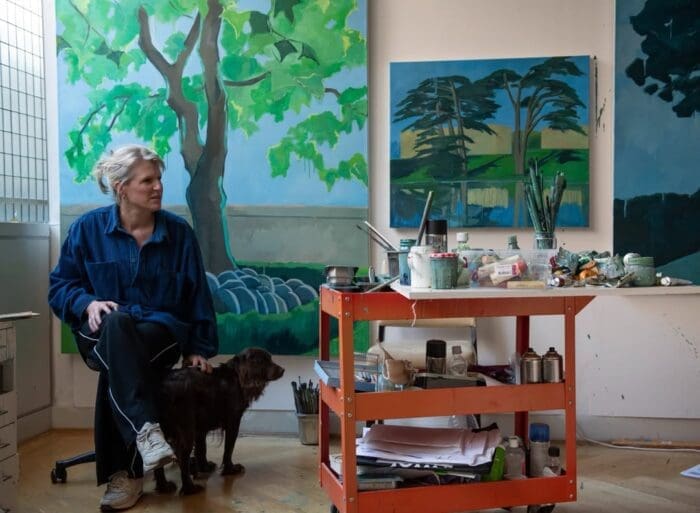
Nancy Cadogan: Exhibiting At The Bend In The River at Beningbrough Hall from today
Exhibition opening of the week: At The Bend In The River: Paintings by Nancy Cadogan, Beningbrough Hall, Beningbrough, near York, today 11am to 4pm
LONDON figurative artist Nancy Cadogan explores how a place is shaped by memory, artistry and human connection in At The Bend In The River, an exhibition spread across four rooms of Beningbrough’s Reddihough Galleries that brings together newly commissioned large-scale paintings, drawings and immersive creative spaces that respond to the National Trust estate’s Ouse riverside setting, historic house and changing landscape.
Through art, film, drawing and creative writing, Cadogan invites visitors to “pause and reflect on the journeys we take and the places and memories that sustain us”. Look out too for intimate works that reflect on women, time and storytelling. Tickets (as part of National Trust admission): nationaltrust.org.uk/beningbrough.
Alan Carr: Two gigs in one day at Pocklington Arts Centre
Comedy gigs of the week: Alan Carr, Work In Progress, Pocklington Arts Centre, tomorrow, 3pm and 7.30pm
THE Celebrity Traitors 2026 winner, comedian, television presenter and quiz host Alan Carr is heading to Pocklington for a brace of “very special work-in-progress shows” ahead of his Have I Said Too Much? tour, when he will play York Barbican on March 13 2027. Box office: Pocklington, pocklingtonartscentre.co.uk; York, yorkbarbican.co.uk.
James Fountain: Trumpet soloist for York Guildhall Orchestra’s concert at York Barbican
Classical concert of the week: York Guildhall Orchestra, York Barbican, tomorrow, 3pm
YORK Guildhall Orchestra launches its new season with a Sunday afternoon programme of works by Malcolm Arnold, William Walton and Spanish composer and pianist Manuel de Falla.
Arnold’s ebullient Trumpet Concerto, composed in 1981, will be played by soloist James Fountain after the opening orchestral fanfare of Walton’s Crown Imperial. De Falla adapted his 1919 ballet Three Cornered Hat, featuring Spanish folk and dance music, into two orchestra suites; the second will be performed tomorrow. Box office: yorkbarbican.co.uk.
Jess Murray’s Emily, left, Lara Stafford’s Charlotte and Millie Rhodes’s Anne Brontë in York Settlement Community Players’ Underdog: The Other Other Brontë
York premiere of the week: York Settlement Community Players in Underdog: The Other Other Brontë, Theatre@41, Monkgate, York, October 13 to 17, 7.30pm plus 2.30pm Saturday matinee
CHARLOTTE Brontë (played by Lara Stafford) has a confession about how one sister (Emily, Jess Murray) became an idol, and the other became known as the third sister. You know the one. No, not that one. The other, other one: Anne (Millie Rhodes).
Claire Morley directs Settlement Players in Sarah Gordon’s irreverent retelling of the life and legend of the Brontë sisters as you have never seen the Yorkshire scribbling sisters before. Premiered at the National Theatre in 2024, this not a story of well-behaved women but of the power of words, sisters and sisterhood, love and jealousy, support and competition. Box office: tickets.41monkgate.co.uk.
Henry Raby: Wrestling with the twin emotions of hope and anger at The Old Paint Shop
Poetry gig of the week: The Old Paint Shop presents Henry Raby, Hope and Anger, York Theatre Royal Studio, October 14, 8pm
YORK punk poet and Say Owt artistic director Henry Raby wrestles through the twin emotions of hope and anger with a spoken-word cocktail of poetry and comedy as he seeks to understand the righteous and the rotten. “Come and share in fist-clenched frustration and celebrate examples of the world, and the heartfelt people in it, at their shiniest and brightest,” says Henry. Box office: 01904 623568 or yorktheatreroyal.co.uk.
“Reaching 25 years in music is incredibly emotional,” says York Barbican-bound Katherine Jenkins
“Reunion with old friends” of the week: Katherine Jenkins, 25 Year Anniversary Tour, York Barbican, October 15, 7.30pm
WELSH mezzo-soprano Katherine Jenkins, 46, the biggest-selling classical artist of the 21st century, plays York Barbican as the only Yorkshire venue on her 25 Year Anniversary Tour, her first in five years. “Reaching 25 years in music is incredibly emotional, but this tour is truly a celebration of the fans who have been there from the very beginning,” she says.
“To be heading out across the UK and Ireland for 18 special shows feels less like a celebration of a career and more like a reunion with old friends, and I can’t wait to stand on stage, look out into those familiar faces and share it all over again.” Jodok Cello supports. Box office: yorkbarbican.co.uk.
York Stage’s cast for Everybody’s Talking About Jamie, starring Frankie Bounds as Jamie New
Bold and unapologetic musical of the week: York Stage in Everybody’s Talking About Jamie, Grand Opera House, York, October 16 to 24, 7.30pm, Tuesday to Saturday, plus 2.30pm Saturday matinees and 4pm Sunday
TOM MacRae and Dan Gillespie’s Sheffield musical plays the Grand Opera House for the first time in Nik Briggs’s production for York Stage that restores the grit to both complement and counter the glitz in the uplifting underdog story of Jamie New (Frankie Bounds), a 16-year-old schoolboy from a Steel City council estate with big dreams and the courage to stand out when it would be easier to stay quiet.
Equipped with the love of his mum, the support of his friends and the strength to face the world head on, Jamie fights prejudice, finds his voice and discovers the freedom of stepping into the spotlight on his own terms. Box office: atgtickets.com/york.
Tom Stade: Playing by his rules at York Barbican
Come and see for yourself why…Tom Stade Rules, YO1 Radio Live Lounge, York Barbican, October 16, 7.30pm
CANADIAN free spirit Tom Stade takes aim at the absurdities of modern times with his incisive, gloriously unfiltered wit as he grapples with rebellion, responsibility and the tension between the old and the new. From unspoken social codes to cultural divisions, identity to marriage, Stade dismantles all the rules and redefines them his way. Box office: yorkbarbican.co.uk.
Alexandra Mather’s Brooke Ashton, mezzanine level, left, Mark Simmonds’ Tim Allgood and Andrew Isherwood’s Garry Lejeune; Adrian Cook’s Frederick Fellowes, seated, Jessica Hardcastle’s Belinda Blair, Pearl Mollison’s Poppy Norton-Taylor and Helen Spencer’s Dotty Otley in Pick Me Up Theatre’s Noises Off. Picture: Matthew Warry
COMPANY founder, director and designer Robert Readman will sign off his directorial duties for York company Pick Me Up Theatre with Merrily We Roll Along at Theatre@41, Monkgate, next April.
First, however, this week’s production of Michael Frayn’s 1982 farce Noises Off is his last at the Joseph Rowntree Theatre, where his distinctive laugh can be heard booming out at each performance, as if encountering Frayn’s fractious dialogue and comedic mayhem for the first time.
Your reviewer finds himself laughing almost as much as Readman, having last experienced Frayn’s play in its first-ever staging in the round, after 43 years, at the Stephen Joseph Theatre, Scarborough, as recently as August 2025.
Craig Kirby’s sozzled actor Selsdon Mowbray in the guise of The Burglar in Nothing On, the play-within-the-play in Pick Me Up Theatre’s Noises Off. Picture: Matthew Warry
Readman gave the design brief to Rich Musk for the rotating stage that will go from staging the dress rehearsal in Weston-super-Mare to showing a mid-tour Ashton-under-Lyne matinee performance of Nothing On, Frayn’s deliberately clunky, maladroit play-within-a-play from backstage, before spinning 180 degrees again for the even more calamitous last night in Stockton-on-Tees.
Musk delivers the classic stage for a farce: no fewer than seven malfunctioning and misbehaving doors on two floors of a commodious des-res where everything that could go wrong does go wrong both on and off stage.
Instant calmer: Alexandra Mather’s Brooke Ashton takes a breather in a yogic exercise in Noises Off. Picture: Matthew Warry
Rory Mulvihill’s exasperated, vainglorious director, the ever-thespian Lloyd Dallas, is at the helm of Nothing On, expecting his harassed technical team of Mark Simmonds’s dogsbody Tim Allgood and Pearl Mollison’s overworked stage manger Poppy Norton-Taylor to do his running for him.
Already distracted by his upcoming Richard III in Aberystwyth, Dallas strives against the tide to steer his cast of has-beens (Craig Kirby’s drunkard veteran Selsdon Mowbray and Helen Spencer’s tour-backing grandee Dotty Otley; touring plodders (Adrian Cook’s over-thinking, physically fragile Frederick Fellowes and Jessica Hardcastle’s unflappable Belinda Blair), and aspiring talents (Andrew Isherwood’s Garry Lejeune and Alexandra Mather’s company ingenue Brooke Ashton).
Craving a quick exit? Rory Mulvihill’s acerbic director, Lloyd Dallas, looking as frustrated as ever in Pick Me Up Theatre’s Noises Off. Picture: Matthew Warry
Frayn is in mischievous mood, with no room for pathos, as if throwing his own theatrical frustrations into the maelstrom of a warring company replete with the luvvies and the loveless, the boozer and the philanderer, the sex and drudgery and rollercoaster of fallouts in a claustrophobic world of fragile egos, frazzled minds, over-active bodies and a hopeless desire to somehow ensure the hapless show must go on.
Readman’s cast is crammed with supreme York talent, well drilled in ensemble commotion, topped off by Mulvihill’s veteran relish for a divisive director, Spencer’s persistent battles with plates of sardines, the outstanding Isherwood’s physical comedic prowess and boundlessly quizzical air and Mather’s ditziest of dizzy blondes.
Pick Me Up Theatre in Michael Frayn’s Noises Off, Joseph Rowntree Theatre, York, 7.30pm tonight; 2.30pm & 7.30pm tomorrow. Box office: tickets.41monkgate.co.uk.
No British farce would be complete without dropped trousers. Adrian Cook’s forlorn Frederick Fellowes obliges as Andrew Isherwood’s Garry Lejeune looks on in Noises Off. Picture: Matthew Warry
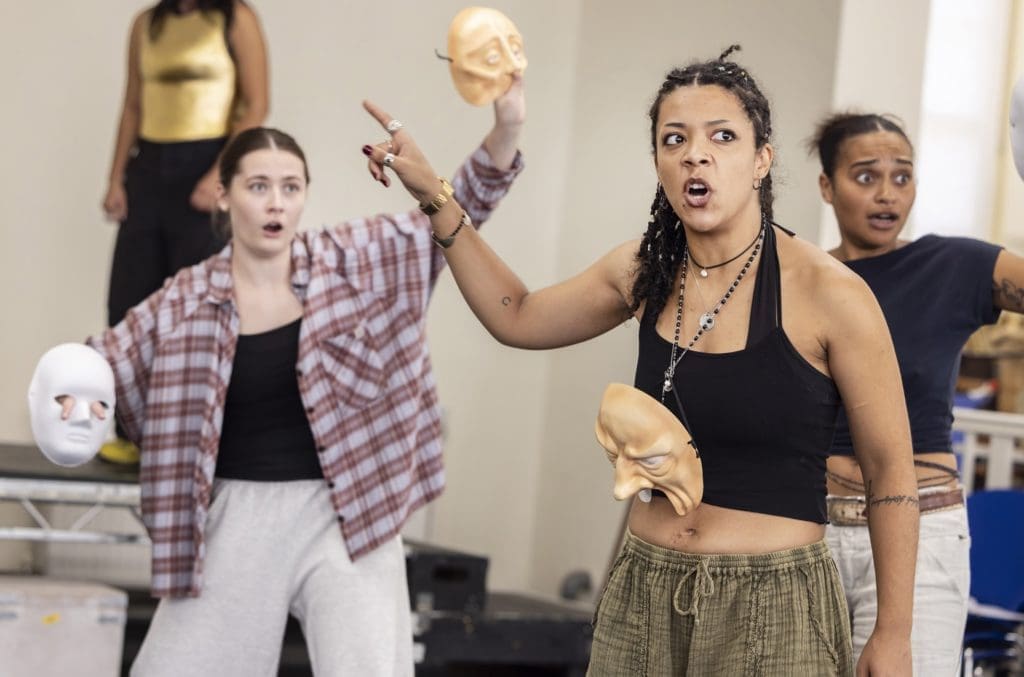
Maids and masks:Faye Campbell, left, Nell Baker, Kat Johns-Burke, Pena Liyambo and Olivia Burton-Laws rehearsing for The Penelopiad. Picture: Pamela Raith Photography
YORK Theatre Royal’s production of The Penelopiad, The Odyssey: Her Story opens on Saturday with a script by novella writer Margaret Atwood and an all-female production team led by creative director Juliet Forster.
In an exuberantly irreverent and darkly humorous feminist take on an age-old story by the Canadian author of The Handmaid’s Tale, Booker Prize winner Atwood gives voice to those left behind when the silenced Penelope’s husband, Odysseus, took 20 years to return home from the Trojan War. Wandering the underworld, perennial weaver Penelope spins a different kind of thread: her side of the story. Cue a tale of injustice, betrayal and revenge, interwoven with songs, that exposes the truth behind the myth.
“Homer’s The Odyssey is a fantastic piece of storytelling but sadly there is very little in there about the women’s lives,” says Juliet. “What Margaret Atwood does so brilliantly with The Penelopiad is really upend that and give us the female perspective on a story that is so well known.
“In true Atwood style, she presents that story in a way that is both deeply arresting and witty. We go on a journey with her through to the bitter climax of the women’s story but it’s also done in such an engaging and enjoyable way.
Director Juliet Forster in rehearsal for The Penelopiad at York Theatre Royal. Picture: Pamela Raith Photography
“Audiences can expect a very physical and visual form of storytelling: we’ll be drawing on everything from acrobatics and dance to aerial, masks and puppetry.”
Juliet first read Atwood’s novella shortly after its publication in October 2005. “I absolutely loved it,” she says. “I personally have a real interest in the Greek classics and whilst I knew a lot about The Iliad and The Odyssey and the history of the Trojan War, I found it genuinely so delightful and invigorating to read Atwood’s feminist take on the story.
“Quite some years later, in 2019, when myself and the Theatre Royal’s former chief executive [Tom Bird] were exploring potential options for our Summer 2020 programme, we looked at The Penelopiad script and once again I was drawn in by the vibrancy of Atwood’s writing. We were all set to stage it in 2020 when, of course, the pandemic hit and our plans were sadly cancelled.”
Cut to 2025 when the Theatre Royal was looking for the right production for the 2026 season: “I felt strongly that this would be a perfect opportunity to bring this project back to life,” says Juliet. “Ultimately the power of the female voice in Margaret Atwood’s version had always stuck with me and sadly in 2026, women in a time of war, violence against women, double standards and inequality are all the more relevant.
Amelia Bullmore rehearsing her role as Penelope. “I’m thrilled I’m going to be working at York Theatre Royal – such a beautiful theatre – on this fantastic play,” she says. “The Penelopiad manages to be funny, dark, moving and provocative by turns. And it’s Margaret Atwood, so the writing is uniquely brilliant. I think audiences will love how playful it is and how directly it connects with them.” Picture: Pamela Raith Photography
“We then also found out about the Christopher Nolan movie adaptation [of The Odyssey], which was set to hit the big screen, and it felt like an interesting time to stage a production which tells the women’s story from a completely fresh perspective.”
Explaining the casting process for the Theatre Royal show, Juliet says: “The play focuses on Penelope as she tells her version of the story and so casting that role was obviously really crucial. Alongside this, we have the story of the maids, who helped her deceive the suitors and who interject with their own version of events.
“The maids really act as a sort of old Greek chorus but in a way that feels fresh and modern. They take on all the other parts and have a significant role in the play so their casting was also equally important.”
She is thrilled to be working with Happy Valley, Scott & Bailey and Riot Women actor Amelia Bullmore in the role of Penelope. “I’d recently watched Riot Women – another fantastic feminist narrative – and Amelia’s performance in that is excellent,” says Juliet.
York Theatre Royal’s cast for The Penelopiad
“She is a very multi-faceted actor that can really immerse herself in a character and I thought she would be perfect for the role. Amelia is super sharp and funny, and her intelligence and dry sense of humour are so well-matched with Atwood’s style of writing.
“For me, what is so important about the character of Penelope is the very closed-off and hidden side to her nature, and I think Amelia has a real inscrutable quality to her performance which feels so right for this role.”
Once Amelia was cast, Juliet turned her attention to the maids. “It was important to me to have a real range of different women cast in these roles,” she says. “Often the maids are almost lumped together as one – in the original only one of them is named! – and the play really unpicks that narrative, so it was important to get that right in our casting.
“The cast we have are super talented: they are all so different and bring such a diverse range of strengths and individuality. What was the most important for me was to find actors who could bring a sense of humour and playfulness to these roles, which are also very physically demanding, with elements of dance, movement, aerial, singing and more.”
The Maids rehearsing a scene for York Theatre Royal’s production of The Penelopiad: Olivia Burton-Laws, left, Charlie Russell, Syakira Moeladi, Nell Baker, Faye Campbell, Pena Liyambo and Danielle Bird. Picture: Pamela Raith Photography
Juliet hopes audiences will leave the Theatre Royal feeling they have experienced “a real visual feast”. “It’s going to be witty and funny, powerful and moving – and I think it will give them an insight to the story of The Odyssey from a completely different angle,” she says.
“But it also raises really pertinent questions not just about the past, but also the present. I personally think it’s a great complement to seeing Christopher Nolan’s movie and will give people the chance to dig more into that story and find out more about the characters of Penelope and her maids.
“I hope people will also come away thinking about the power of storytelling – how we balance competing versions of the same events and which narratives end up being the ones that are remembered.”
The Penelopiad, The odyssey: Her Story, York Theatre Royal, October 10 to 31, Box office: 01904 623568 or yorktheatreroyal.co.uk.
Olivia Burton-Laws, left, Kat Johns-Burke and Pena Liyambo in the rehearsal room for The Penelopiad. Picture: Pamela Raith Photography
One more question for Juliet Forster
How did you prepare for directing The Penelopiad ahead of rehearsals starting?
LOTS of reading! Of course the original novella and The Odyssey but also I read awonderful book called Mythica by Emily Hauser. Emily is a renowned and published classicist who is doing some consultancy with us to help us look at what life for Bronze Age women would have been like, drawing from mythology, history and archaeology – which will be useful for the actors as we delve into their characters.
“Margaret Atwood adapted the script herself but had given me permission to add in some of the original text from the book. So I also spent some time working on fleshing that out and adding some more elements to the script.
“We have a fabulous all-female creative team on board and I really enjoyed meeting with them and shaping how the production is coming together.”
The poster for The Penelopiad, The Odyssey: Her Story, opening at York Theatre Royal tomorrow
Early Music in the Early Evening: Peter Croton & Thomas Langlois (February 10 2027) and La Rêveuse’s Florence Bolton and Benjamin Perrot (April 30 2027)
THE National Centre for Early Music Centre is introducing Early Music in the Early Evening, a series of relaxed concerts beginning next February.
“Skip rush hour and join us from 6pm to 7.30pm for music, wine and conversation with world-class musicians,” reads the invitation.
The new programme will open with J S Bach’s The Goldberg Variations on February 10 when Peter Croton and Thomas Langlois will perform one of the most extraordinary and demanding masterpieces of the Early Music repertoire, played in a unique new version for the first time on two lutes.
Composed in 1741 for harpsichord, Bach’s architecture of sound is re-imagined through the contrasting light and shadow of baroque lutes. Their rich timbral palette, expressive dynamics and subtle phrasing transform the work into an intimate, vivid and moving musical experience.
On April 30, La Rêveuse’s Benjamin Perrot (lute and theorbo) and Florence Bolton (viola da gamba) will play a joyful programme full of ballads and dances that deserve to resound once more beneath the stars under the title of From London To Edinburgh.
In the 17th and 18th centuries, London was at the forefront of musical innovation. In taverns, gardens and ballrooms, the tender, rhythmic tunes of Scottish, Welsh and Irish music were taking over London’s salons.
The 17th-century English composer John Playford and the 18th-century Scotsman James Oswald immediately struck the right balance between traditional and classical music, Italian elegance and Celtic style, as can be witnessed in York next spring. Box office:01904 658338 orncem.co.uk.
The Gunpowder Plot plotters. Courtesy of National Portrait Gallery
THE Bar Convent Heritage Centre is retelling one of the most dramatic events in British history in The Gunpowder Plot: York’s Untold Story.
In the first exploration of its kind, in the city that many of the plot protagonists called home, the exhibition takes visitors beyond the legend of Guy Fawkes to discover the context of post-Reformation life for English Catholics, explore new narratives, see rare artefacts linked to the plot,all in the convent that was secretly established in the aftermath of the plot.
Through rare objects, new interpretation and story-telling, discover how the Gunpowder Plot echoed across the country, left its mark on York and shaped the lives of the courageous women who founded the Bar Convent in its wake in Blossom Street, York.
Dr Hannah Thomas, special collections manager at the Bar Convent, says: “Everyone has heard of Bonfire Night and Guy Fawkes and most will be familiar with the plot to blow up the Houses of Parliament on November 5 1605, but here at the Bar Convent we have curated a Gunpowder Plot experience unlike any other.
16th century engraving of Saint Margaret Clitherow’s death. Courtesy of Bar Convent Living Heritage Centre, York
“Guy Fawkes, Christopher and John Wright and Thomas Percy: of the eight plotters, these four men were from York or were connected to the city. What was happening in York at that time and what were the links between these men?
“This is the first exhibition of the Gunpowder Plot to explore the wider context of Catholic life in York and the underground networks at the time. It is truly fascinating to discover connections between Margaret Clitherow and King James I and between Margaret Clitherow and Guy Fawkes; these stories have never been fully examined before.”
Hannah continues: “Through our fascinating collections, we are able to tell the story through rare original objects connected to local people, and to present this in the unique surroundings of a Catholic convent secretly established under new laws passed in reaction to the plot’s discovery.
“To enhance the exhibition, we have also designed a new self-led walking trail across the city to key locations and iconic landmarks that give context to the plot and we will be hosting some special events for those looking to delve deeper.”
Special collections managerDr Hannah Thomas holding Father Edward Oldcorne’s Crucifix. Picture: Frank Dwyer, courtesy of Bar Convent Living Heritage Centre, York
Exhibition highlights
ENTIRE two-floor Bar Convent exhibition space transformed to tell York’s story of the Gunpowder Plot.
New re-display of Father Edward Oldcorne’s Gunpowder Crucifix, the only surviving object from the raids on all known Catholic houses following the plot. York born Edward Oldcorne was in school with the plotters Guy Fawkes, Christopher Wright and John Wright. Despite his innocence, he was hanged, drawn and quartered for being a priest.
Items linked to Margaret Clitherow on display, including a 16th century commemorative etching of Margaret Clitherow’s death; a 1650s handwritten biography; the Middleton Vestment that belonged to her relative, Father Robert Middleton, who was martyred in York in 1601, plus her sacred relic in the chapel.
Collection of post-Reformation objects used during secret Catholic Masses, including two altars, one disguised as a bed head and the other as a mantelpiece ornament; a priest’s vestment, designed to look like ribbons, and a chalice originally made in three separate pieces to be hidden easily in the event of a raid.
New research, including the discovery of connections between Margaret Clitherow and Guy Fawkes and between Margaret Clitherow and James I.
The chance to discover how the convent itself was designed strategically to hide its true purpose; from its position just outside York’s walls to a hidden chapel, an original priest’s hiding hole and nuns disguised as widows.
The Gunpowder Plot: York’s Untold Story, Context, Conspiracy, Consequence, on display at Bar Convent Living Heritage Centre, York, until December 5. General admission applies, Monday to Saturday, 10am to 5pm (last admission 4pm). Bookings: barconvent.co.uk.
Father Edward Oldcorne’s Crucifix at Bar Convent Living Heritage Centre. Picture: Anthony Chappel-Ross, courtesy of Bar Convent Living Heritage Centre, York
Further events
Museum Lates, Tuesday, November 3, from 6pm
After-hours access to The Gunpowder Plot: York’s Untold Story. Ticketed event, alcoholic or soft drink included. Tickets are on sale at barconvent.co.uk.
Lunchtime talk: The Gunpowder Crucifix, November 5, 1pm
Delve deeper into the story behind Edward Olcorne’s crucifix, the only survivor of the raids on Catholic properties after the Gunpowder Plot. Discover how and why its owner was hanged, drawn and quartered despite his innocence, how it came to be in the convent’s collections and more. Included in admission to the exhibition; allow 20 to 30 minutes.
Gunpowder Plot Walking Trail
Walk in the footsteps of the Gunpowder Plotters on this free self-guided trail through the historic streets of York. Visit key locations and iconic landmarks that give context to one of the most dramatic events in British history. More information at barconvent.co.uk.
17th century handwritten biography of Saint Margaret Clitherow. Courtesy of Bar Convent Living Heritage Centre, York
Tracy-Ann Oberman’s Geri Essendine in her New York City apartment in Present Laughter. Picture: Simon Annand
IN 2019, in North Yorkshire director Matthew Warchus’s take on Noel Coward’s 1939 study of the temptations and pitfalls of theatrical celebrity, Andrew Scott portrayed vainglorious actor Garry Essendine as gay at the Old Vic.
Now, in her second re-invention and re-imagination of a male character, following her portrayal of Shylock in the Black Shirt and Nazi-shadowed The Merchant Of Venice 1936 that played York Theatre Royal in November 2023, Tracy-Ann Oberman transforms Garry into Geri: Geri With A G, as the poster in her New York City apartment declares (presumably in a nod to Liza Minnelli and Bob Fosse’s 1972 musical documentary Liza With A Z).
Living opposite the newly opened Studio 54, whose muffled disco groves can be heard when she opens one of her multiple windows of her white-walled abode, Oberman’s Geri is a “hugely successful actress and singer”, a grand-standing English ex-pat with a coterie of fans, friends and hangers-on, who has clung on to being 39 for the best part of a decade, although she talks of her face needing work.
On the cusp of heading off on tour to Australia (rather than Africa in Coward’s original), and still craving the chance to play the elusive Hedda Gabler, she is besieged by would-be, definitely much younger lovers (Seb Carrington’s naive, besotted David Stillington and Kit Young’s cynical, deceitful Johannes) and an obsessed young playwright (Eva Feiler’s Rosina Maule, irritating to Geri and audience alike, alas).
Around her too buzz her humorously eccentric spiritualist (Gabriella Foley’s Miss Erikson), house servant-cum-bouncer (Perry Williams’s ultra-cool Fred), friend Morris (Jonathan Tafler) and his wife Henrietta (Charlotte Randle).
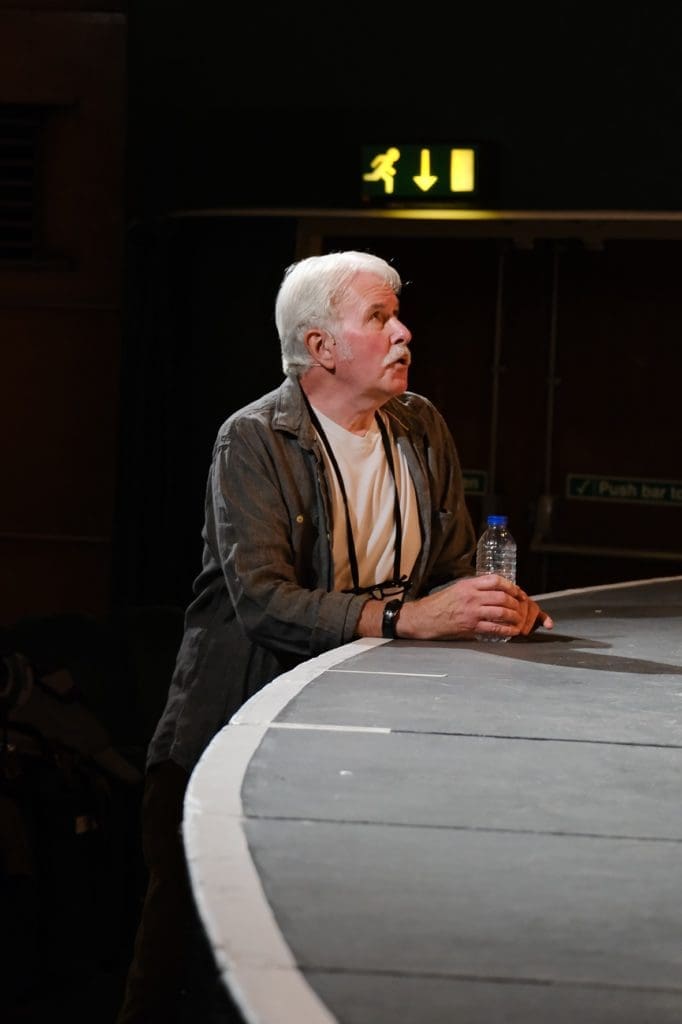
Present Laughter director Lindsay Posner
They are but drones by comparison with the comic elan of James Dreyfus’s Monty, Geri’s eloquent, exasperated secretary, and Adrian Lukis’s Len, her elegant, arch, implacable ex-husband, still ever present as they never got round to completing the divorce papers.
Such experienced hands, Dreyfus and Lukis are operating in a superior acting stratosphere to the touring company’s younger charges, comfortable with Coward’s waspish wit, with better timing than the rest, and bringing out the best too in Oberman, whose Geri is all Seventies’ blonde glamour, at once tiring of the fame game yet fearful of loneliness and still craving being desired. Whenever soul-searching threatens to consume her, throwaway sex beckons again: as much coward as Coward.
In Oberman’s transformations, the secretary’s change from Monica to Monty and the ex-wife’s switch from Liz to Len are by far the most effective, in part because of Dreyfus and Lukis’s comic prowess, but certainly Carrington, Young and Feiler fare less well, to the detriment of the play’s impact. The first half drags its feet, the second still lacks fire for too long until the sting is drawn at the finale.
Remembered in York for his Shakespeare’s Rose Theatre productions of Romeo And Juliet and Richard III in 2018 at the Eye of York, director Lindsay Posner elicits more style than substance overall, exemplified by Peter McKintosh’s set and costume designs, featuring two faux portraits by Geri’s Studio 54 friend Andy Warhol.
Like in those Pop Art portraits, there should be more going on beneath the surface, although it is striking that while we never see Essendine’s Geri on stage, she is always acting.
Theatre Royal Bath Productions & Augusta Productions present Noel Coward’s Present Laughter, Grand Opera House, York, until Saturday, 7.30pm plus 2.30pm Saturday matinee. Box office: atgtickets.com/york.