Richard Shephard Music Foundation reports best year yet in providing weekly lessons in Yorkshire and Tees Valley

The joy of making music with support from the Richard Shephard Music Foundation

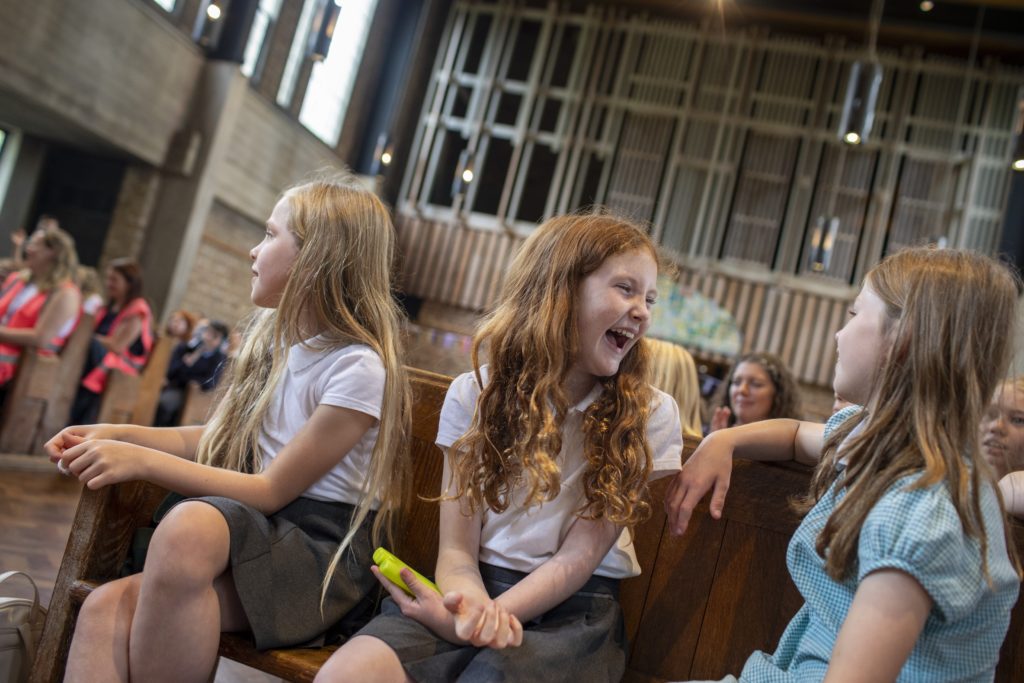
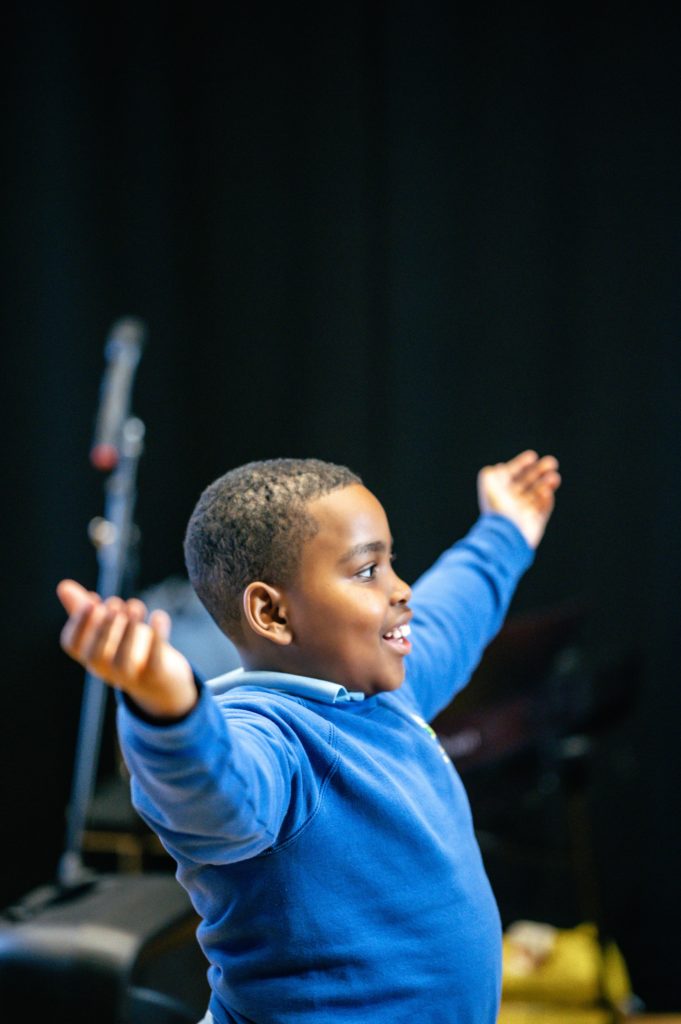
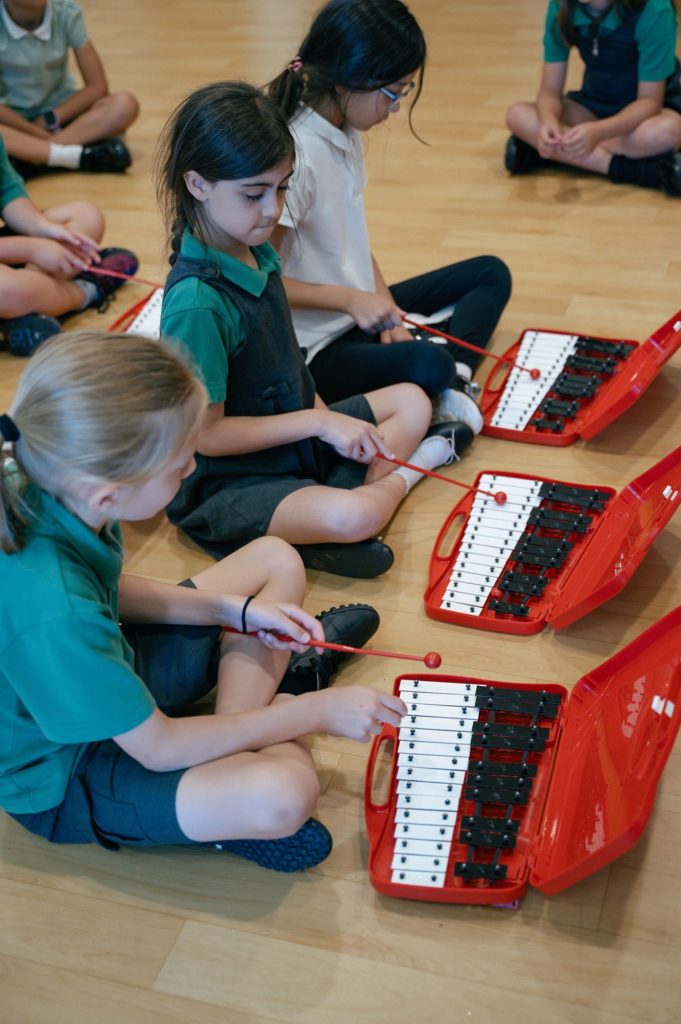
THE Richard Shephard Music Foundation (RSMF) is celebrating its most successful year to date.

More than 8,685 children have received weekly music lessons through partnerships with 34 schools across Yorkshire and Tees Valley.

This milestone marks significant progress towards the York foundation’s goal of teaching 10,000 children every week by 2026: a target that will mean almost one in seven primary-aged children in the region will have regular access to high-quality music education.

Andrea Hayes, foundation trustee and former head teacher, says: “Music inspires, unites and empowers. The foundation brings that power into classrooms, ensuring every child, whatever their background, can access high-quality music teaching.”
Here are the key highlights from the RSMF’s 2024–25 Impact Report:

• 8,685 children received weekly music lessons, totalling 8,250 hours of high-quality music education.

• 34 partner schools participated, including new additions in East Yorkshire, Saltburn, Darlington, Richmond and Selby.

• 450 children joined the foundation’s biggest-ever Make Music Day, celebrating creativity and collaboration through live workshops and performances.

• Ten free Music Explorers holiday clubs reached 263 children, with an average of 57 per cent eligible for free school meals, rising to 85 per cent in Scarborough.

• 1,943 children took part in foundation-led events, concerts, and community performances.

Revelling in the power of music for schoolchildren

Independent evaluations and teacher feedback revealed transformative results:

• 99 per cent of staff reported improved confidence among pupils.

• 97 per cent saw enhanced musical knowledge.

• 92 per cent observed improvements in wellbeing.

• 94 per cent said their school’s standard of music teaching had improved.

A teacher from Crayke C of E Primary School says: “The love of music you are instilling in children is wonderful. It’s breathing life back into the curriculum.”

Reaching communities that need it most

HALF of the RSMF’s partner schools have more than 30 per cent of pupils eligible for free school meals, and 12 are based in Arts Council England’s Priority Places. By focusing on these areas, RSMF is ensuring access to the social, emotional and educational benefits of music for children who might otherwise miss out.

How you can be involved

WHETHER you are a parent, musician or member of the public passionate about music education, RSMF would like to invite you to be involved. “Please consider becoming a Friend of the Foundation by committing to a monthly donation – as small or large as suits you,” requests the RSMF. “You’ll receive updates from the foundation and invitations to events.” For more details, visit: donate.rsmf.org.uk.

Young players in unison

Cathy Grant, the foundation’s chief executive, says: “Research highlights time and time again that music education is not an equal playing field. The Child of the North* report found that 93 per cent of children are being excluded from arts and cultural education due to a lack of funding in state schools, with almost half (42 per cent) of secondary schools no longer entering pupils for GCSE Music.

“The same report outlined how participation in arts activities also correlates strongly with socioeconomic status, with children from the most affluent backgrounds being three times more likely to sing in a choir or play in an orchestra than those in deprived areas.

Cathy continues: “Our work directly addresses these inequalities, aiming to level the playing field for children across our region. We’re encouraged by the Government’s recent curriculum review report, which commits to ensuring that ‘the arts are an entitlement within the national curriculum for every pupil, not an optional extra’. We think our work in the region is a practical example of how this can be delivered.”

For more information about the Richard Shephard Music Foundation and its work supporting schools, visit www.rsmf.org.uk. View the RSMF’s Music Is A Key video at: https://youtu.be/jdJGf3fCvbg.

* N8 Research Partnership produced the Child of the North report, an evidence-based approach to creating a culture of inclusive opportunity through arts and creativity, in March 2025.

Upcoming Richard Shephard Music Foundation events:

Saturday, November 29 2025 to Monday, January 5 2026: York Minster Christmas Tree Festival, featuring RSMF Christmas tree.

Saturday, November 29, Scarborough Sparkle: School choir from Overdale Primary School singing from 11am to 12 noon.

Wednesday, December 3: Acomb Primary School Christmas busking, York Railway Station, 9.45am to 10.30am.

Thursday, December 4 2025:  Christmas Celebration, St Olave’s Church, Marygate, York, 1.30pm to 3pm. Tickets: https://www.eventbrite.com/e/rsmf-christmas-music-celebration-tickets-1756681294039?aff=oddtdtcreator.

The King’s Singers and Fretwork celebrate Byrd and Weelkes in Ryedale Festival opener with Ryedale Primary Choir

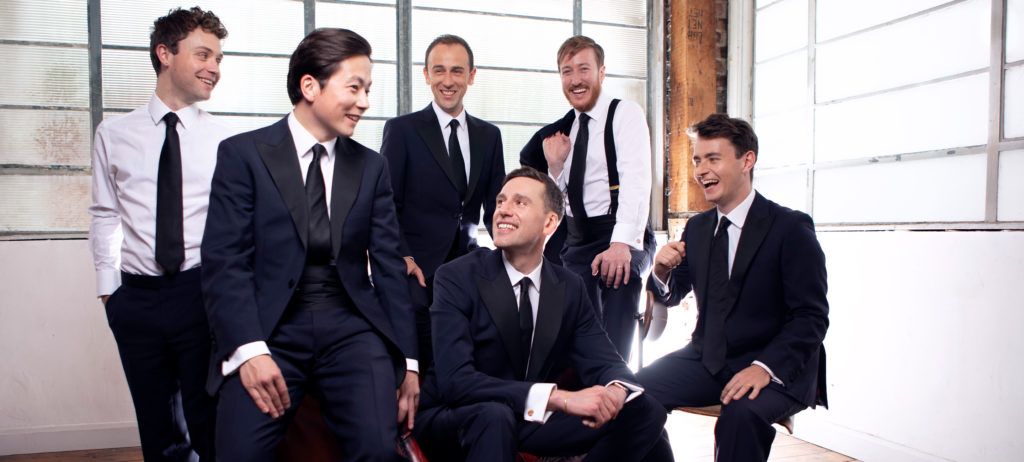
The King’s Singers

THE King’s Singers and Fretwork open the 2023 Ryedale Festival tonight at St Peter’s Church in Norton, near Malton.

They will be marking the 400th  anniversaries of Thomas Weelkes and William Byrd in a concert affectionately titled Tom & Will. Focusing on the humanity behind these two behemoths of Elizabethan music, the 7pm programme comprises well-known pieces alongside works performed  less often.

New works by Sir James MacMillan and Roderick Williams find their place among the tributes to Byrd and Weelkes, and the unique fashion of The King’s Singers’ performances will bring drama, beauty and storytelling to Ryedale for the festival’s grand opening.

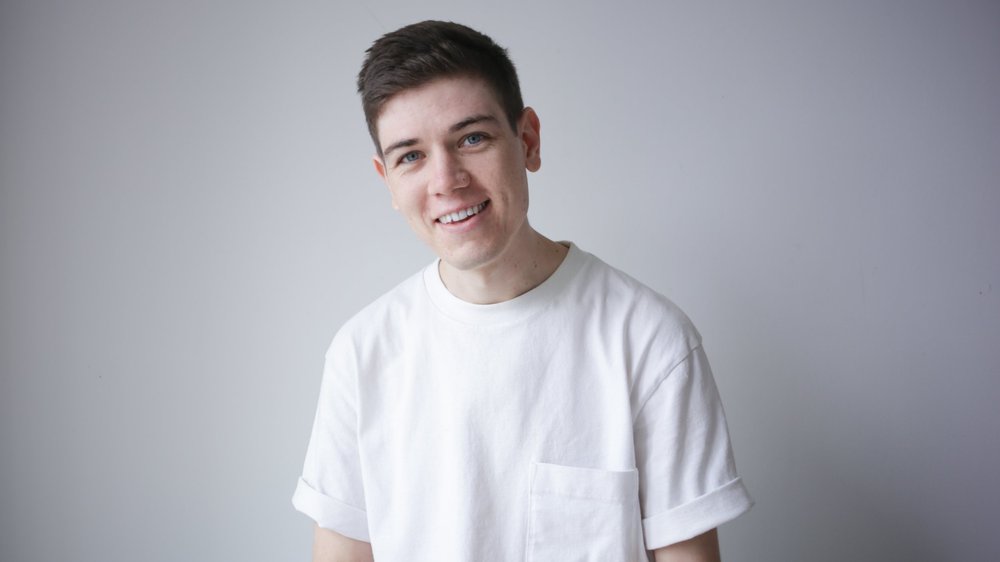
The King’s Singers have maintained their six-strong formation of two countertenors, a tenor, two baritones and a bass throughout their 55 years. In the 2023 line-up tonight will be countertenors Patrick Dunachie and Edward Button, tenor Julian Gregory, baritones Christopher Bruerton and Nick Ashby and bass Jonathan Howard.

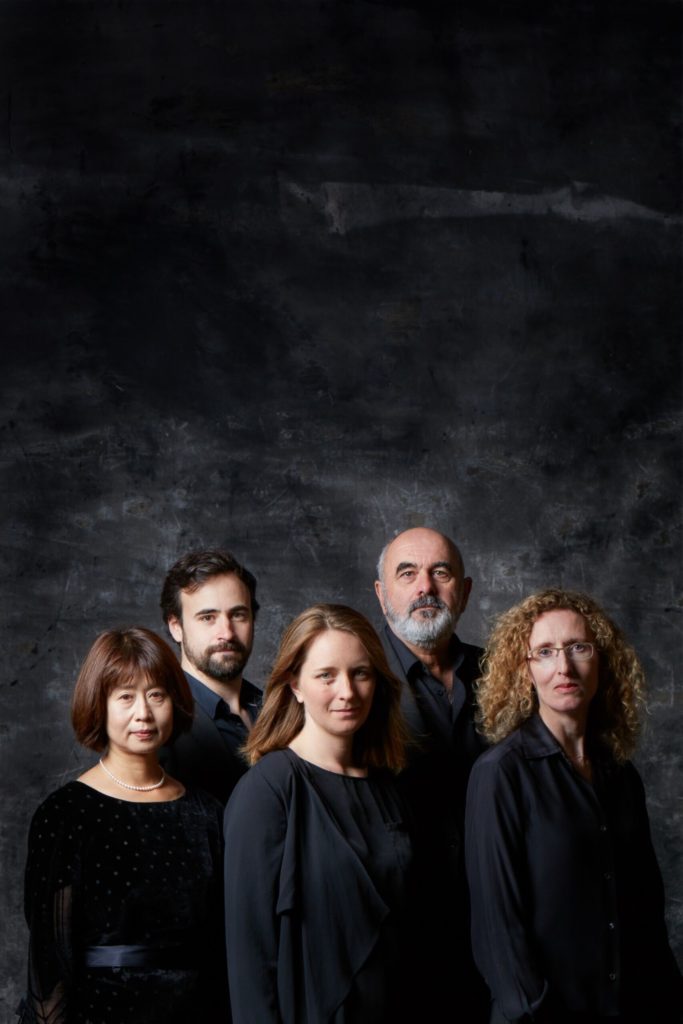
The Fretwork consort of viols is heading into its 37th year of exploring the core repertory of English consort music alongside pioneering contemporary music for viols, with more than 40 commissioned new works in their repertoire of old and new.

Fretwork consists of Richard Boothby, Emilia Benjamin, Jonathan Rees, Joanna Levine, Sam Stadlen and Emily Ashton.

Fretwork

Taking part too will be the Ryedale Primary Choir,  a new initiative for children aged seven to 11, run by Caius Lee and launched this year in collaboration with the Richard Shephard Music Foundation. Children attend free music sessions in school holidays, where they meet and sing with professional musicians, especially Ryedale Festival Young Artists.

The choir will be making its festival debut by appearing on stage with The King’s Singers in a special encore at this opening concert, having  worked with them in a masterclass.

Festival artistic director Christopher Glynn says: “We open this year’s Ryedale Festival with a fantastic concert celebrating the life and work of two of England’s greatest composers of early music.

“Bringing together the best in a cappella singing and in viol consorts with The King’s Singers and Fretwork, there aren’t many better ways to bring up the curtain on the festival and mark the anniversaries of William Byrd and Thomas Weelkes.

“We are also very excited to have the Ryedale Primary Choir join the ensembles on stage for a very special encore. The festival is all about sharing great music with more people every year – and having this choir join us for free music sessions over the summer holidays and up on stage to open the festival is a great part of that. I look forward to seeing St Peter’s Church in Norton fill up for what will be a magnificent opening night.”

Box office for tickets: ryedalefestival.com.

REVIEW: Martin Dreyer’s verdict on Ryedale Festival Community Song Cycle

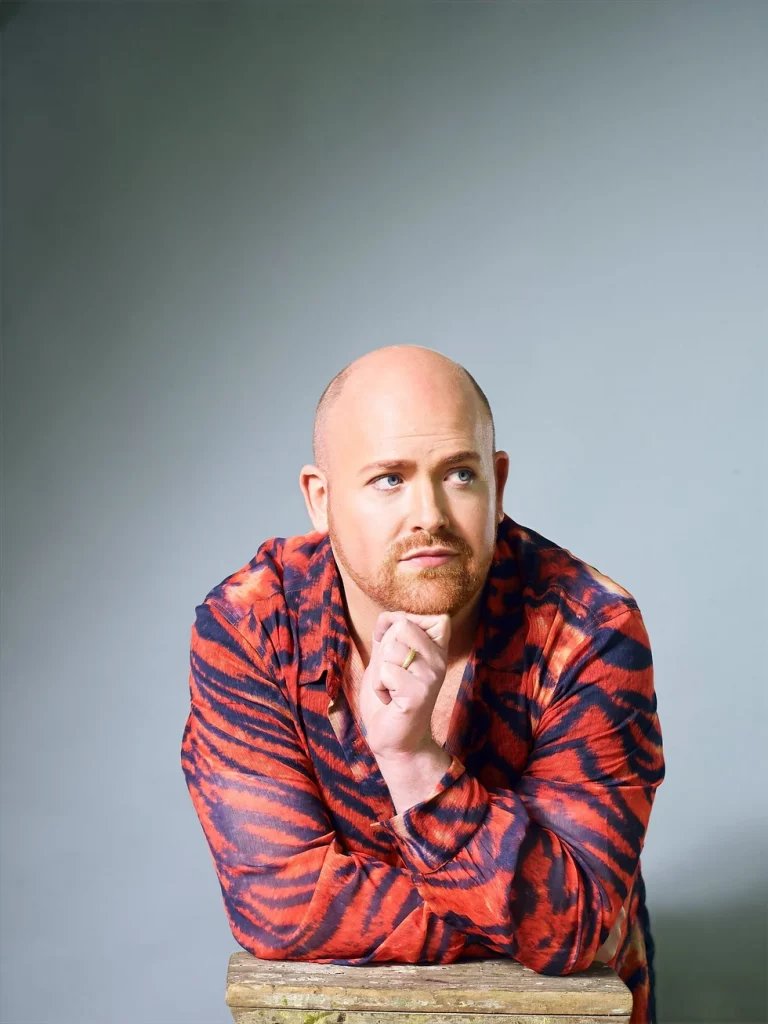
Tenor Nicky Spence

Ryedale Festival Community Song Cycle, Church of St Peter & St Paul, Pickering, April 29

TO travel hopefully is a better thing than to arrive, wrote the Scottish poet and novelist Robert Louis Stevenson. He later amplified that thought in his evocative Songs Of Travel, nine poems from which were memorably set to music by Ralph Vaughan Williams.

That was the foundation of Ryedale’s new community song cycle entitled Give To Me The Life I Love, the opening words of Vaughan Williams’s original cycle. It was commissioned by Ryedale Festival from composer Bernard Hughes and librettist Hazel Gould, with assistance from the Richard Shephard Music Foundation. This was its world premiere.

Both composer and librettist freely admit that its primary inspiration lay in the participants themselves, who were widely canvassed in advance and largely responsible for the additional texts in the work.

The children’s chorus, which performed entirely from memory, was Ryedale Primary Choir, trained by Caius Lee, who also conducted the combined forces with considerable aplomb, not to say enthusiasm.

Shining Brass, youngsters who are training with the Kirkbymoorside Town Brass Band group, sounded fully trained to these ears. Adult assistance came from Ryedale Festival Community Choir, whose director is Em Whitfield-Brooks. The only other professionals on hand were tenor Nicky Spence, appropriately a Scot, and pianist Krystal Tunnicliffe.

Inevitably Spence was at the very heart of the work’s success. Standing in the pulpit he manoeuvred his way deftly through the original songs with a strong feel for the words and stirring resonance. But whenever called upon to join the choirs he also scaled down his tone sensitively.

Tunnicliffe’s piano contributed colourful but well-blended accompaniment, as did the brass band, which was particularly smooth during an interlude that was nicely shaded.

The children’s choir contributed considerable gusto, its remarkable diction early on, in All I Need Is Just Enough, setting the tone for the whole exercise. The adult choir was less extrovert but coped well with some gentle polyphony. It would have benefited from a handful more male voices.

Hughes’s score was essentially a clever pastiche of Vaughan Williams and none the worse for that. It reached a peak in the inspirational finale where, having left Vaughan Williams behind, we encountered the full ensemble, with the soloist and adult choir looking backwards nostalgically – “I have lived and loved” – and the children looking ahead, urged by their elders to “Follow your path”. Amateurs and professionals coalesced happily.

This music will introduce the original cycle, one of the finest of all in our language, to audiences that would not normally encounter it in its usual habitat, a song recital. That alone is invaluable. It will also happily transplant to other arenas. We may just add a coda, from the golfer Walter Hagen, to Stevenson’s exhortation about travel: “Be sure to smell the flowers along the way”.

Review by Martin Dreyer

Nicky Spence is an artist in residence at this summer’s Ryedale Festival (July 14 to 30), appearing in events 12, 19 & 24. For the full programme, head to: www.ryedalefestival.com.

Four recitals promoted by Ryedale Festival were recorded by BBC Radio 3 for broadcast from May 9 to 12 at 1 p.m.

REVIEW: Martin Dreyer’s verdict on Ryedale Festival premiere of Seven Mercies, Church of St Peter & St Paul, Pickering, May 21

Kathryn Rudge: “Inspired soloist”

RYEDALE Festival floated a powerful reminder of its status in the community with this world premiere of a new song-cycle written by a Pickering-born composer and largely performed by inhabitants of Ryedale.

Joseph Howard’s Seven Mercies was inspired by mediaeval murals in Pickering Church, which have only recently been brought back to life and decoded from beneath the whitewash of centuries.

They refer to specific acts of kindness – properly titled Seven Acts of Corporal Mercy – mentioned by Jesus in his Sermon on the Mount and illustrated here by stories from the Bible.

Howard’s music is built around Emma Harding’s poetic libretto, which at its core delivers a song-cycle for mezzo-soprano and piano. Its sections use different female characters whose hardships have been alleviated by someone else’s generosity, often put into a modern context: a refugee, for example, or a hospital patient prevented by Covid regulations from receiving visitors.

That is the backbone of the work and no doubt it could stand alone. But it is immensely coloured and given depth by several choral and brass interludes, as well as introduction, prologue and finale.

Joseph Howard: Pickering-born composer of Seven Mercies

Much of the text here has been devised by choir members themselves. Ryedale Festival Community Choir, under Em Whitfield Brooks, and Ryedale Primary Schools Choir (taken from Pickering Community Junior School and Gillamoor C of E and St Joseph’s RC Primary Schools), conducted by Holly Greenwood-Rogers, were joined by a brass quintet of junior members from Kirkbymoorside Town Band and bell ringer Pam Robb.

Kathryn Rudge was the inspired soloist. Her clean, clear, beautifully projected mezzo was exactly suited to evoking the plight of the desperate and the downtrodden, and Christopher Glynn’s fluently controlled piano gave her superb underpinning. When she took to the pulpit for the finale, she soared angelically above and through the combined forces below, as if offering divine support.

Both choirs had evidently been keenly trained. They represented the voices of the community coming to the aid of the needy. Where the adults were sympathetic and affectionate, the children were infectiously enthusiastic, an apt balance. The young brass were impressive too, in an early fanfare, a lament and a smooth duet for cornets.

Howard’s music, which was always attuned to the text, divided into two styles: a thoughtful, modal English for the soloist that was reminiscent of Vaughan Williams and a much more universal, generally major-key and strongly rhythmic approach for the ensembles. This made sense with such a wide range of talents on hand: all were shown to best effect.

We may thank the Richard Shephard Music Foundation for its association with an occasion that both highlighted an important piece of local history and underlines what a force for good the Ryedale Festival continues to be. The festival itself will run from July 15 to 31 with full details at ryedalefestival.com.

Review by Martin Dreyer