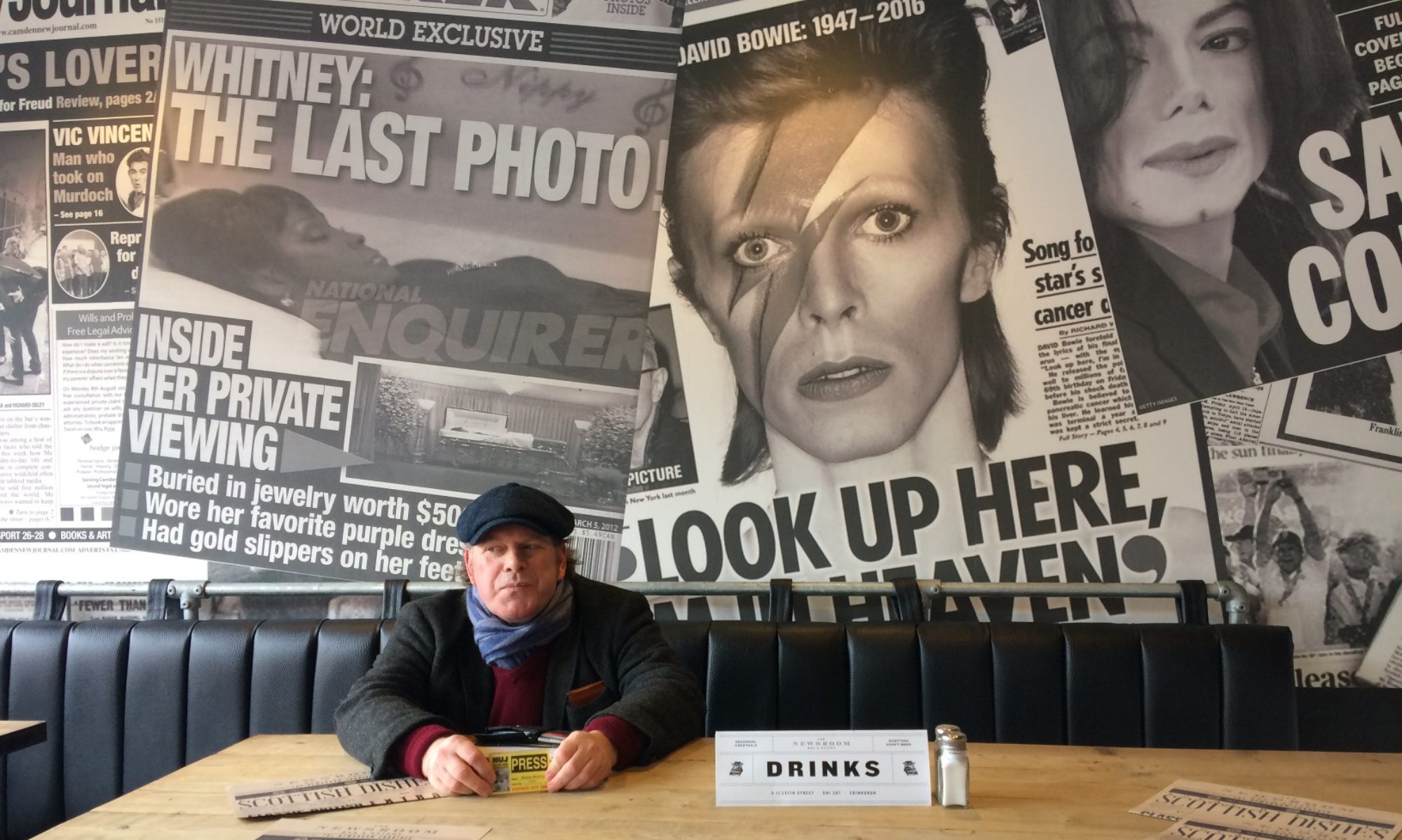
Robert Hollingsworth: Conductor of The 24. Picture: Frances Marshall
YOU would not normally expect a choral concert to consist only of eight Mass sections, four each from the 16th and the 21st centuries.
That thought must have occurred to Robert Hollingworth, conductor of The 24, which is now the University of York’s chamber choir (although with eight more singers than its title suggests).
So he added – on the pretext that this was both St David’s Day and the first official day of spring – six seasonal poems along with extracts of birdsong. Not perhaps what paying customers had hoped to hear, but certainly original.
Equally controversial was the setting of Palestrina’s Missa Papae Marcelli, in what was termed an arrangement by Francesco Soriano, a former pupil of the great man and a one-time choirboy at San Giovanni in Laterano, Rome (St John’s Lateran) under his direction.
Soriano’s declared intention is to convert Palestrina’s four-voice setting into a double-choir, eight-voice polychoral one. But at times he departs so far from Palestrina’s original that what he produces is better described as a paraphrase. We would be better off leaving Palestrina’s name out of it altogether.
The 24 tackled it judiciously, if without much variation in tone or dynamics. When upper voices were heard alone during Palestrina’s Benedictus, it was both a welcome relief and beautifully done. The preceding Credo had enjoyed a strong finish, but there was no sign of a piano at the Crucifixion. The most homogeneous tone came in a smooth Agnus Dei.
The Finnish composer Einojuhani Rautavaara completed his Missa A Cappella five years before his death in 2016 aged 87. It derives a certain mysticism from its regular use of a halo of sound around its main melodies, which otherwise appear without much accompaniment.
There was a new urgency in the choir here, which peaked in the rapid chanting at the end of the Credo. The ‘halo’ effect was at its best against the solo in the Sanctus; the otherwise calmer Benedictus closed with an unexpected crescendo.
There was even a glimpse of timelessness in the Agnus Dei, where the layering of the voices was at its clearest. Doubts remained however about how much weight the composer had given to the actual texts, as opposed to merely producing a spiritual aura.
The 24 is obviously a highly competent ensemble. But one could have wished for repertory that had stretched it more and provided contrast with the two masses. The poems were intelligently read but would have benefited from amplification. The birdsong remained, I fear, peripheral. But it was good to be back in a refurbished Guildhall.
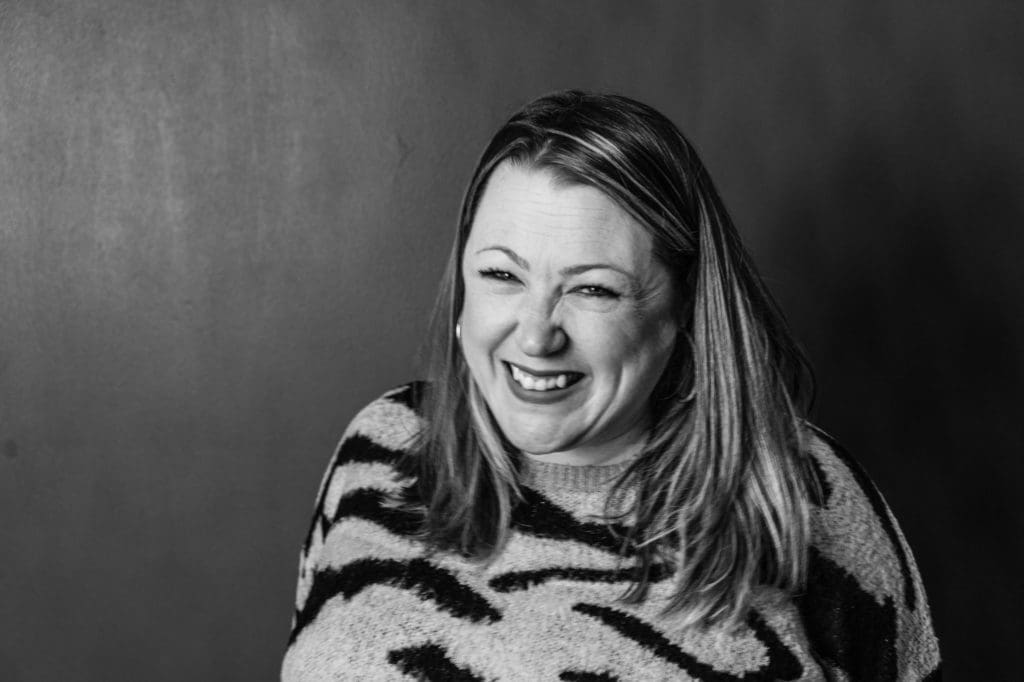
Lizzy Whynes, left, Megan Bailey and Paula Clark: The Bolshee trio running the Dancefloor Project for safer spaces for women
NEWSFLASH 8/3/2023: Bolshee Dancefloor Project’s Listening Project session with Pilot Theatre at York Explore Library on March 9 has been cancelled due to unforeseen circumstances.
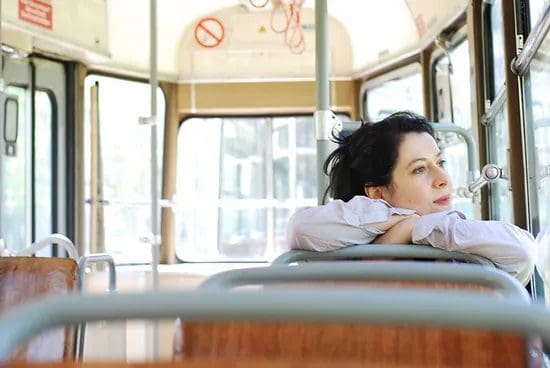
HAVE you ever felt unsafe on the bus? Or walking to work? Or on a night out? If so, Bolshee invite you to join their Dancefloor Project in York.
The York creative projects community interest company ran a pilot session at Brew York, in Walmgate, as part of York Design Week 2022 last October and is now delivering a series of nights around York in March and April on a “pop-up dancefloor where you make the rules”.
“Take up some space, soak up the vibes, bust a move, pick up a pen and tell us your demands,” say Bolshee creative director Paula Clark, associate director Lizzy Whynes and creative producer Megan Bailey. “When women don’t feel safe in so many spaces, what would make you feel safer on the dancefloor?
“The Dancefloor Project brings people together to explore ways we can make everyone feel safe and reduce sexual harm in public spaces – because everyone deserves to be free to be themselves and bust a move without fear.”
The first night, held at The Crescent community venue last Saturday with Lizzy on the decks, will be followed by a Saturday afternoon session at the StreetLife Hub, Coney Street, on April 1 from 1pm to 3pm, while a night at the University of York is being organised, hopefully in May.
Bolshee’s dancefloor for the Dancefloor Project, designed by Megan Bailey. Picture: Emily Richardson
In addition, as part of York International Women’s Week, Bolshee’s Dancefloor Project will be teaming up with York company Pilot Theatre for The Listening Project at York Explore Library and Archive, in Library Square, Museum Street, on March 9 from 5pm to 6.30pm.
Bolshee is running the Dancefloor Project in tandem with York St John University psychology researchers, in association with York St John University Institute for Social Justice, whose community research grant assists the project’s purpose of “creatively and collaboratively exploring prevalence and prevention of sexual harm in public spaces”.
The Dancefloor Project emerged from Megan’s ongoing studies for a Masters in Culture, Creativity and Entrepreneurship at the University of Leeds.
“We had a module where I had to come up with a project,” she recalls. Cue her “interactive pop-up dancefloor with a tiny dancefloor that can fit into the back of a van and Perspex walls that people can write on”.
“They can dress up, request a song, have a dance, chat to us, in a project that’s all about looking at sexual harm against women and girls in public spaces,” says Megan, who has designed the dancefloor space with its flashing walls.
Bolshee’s Lizzy Whynes DJing for the Dancefloor Project
“York St John is leading the research part of the project, under Dr Anna Macklin, which is basically an arts-based method of looking at sexual harm and prevention, where everyone can claim the dancefloor as their own, wear what they want, but also talk about these things that disproportionately affect women and girls in public spaces and nightclubs.
“The next step will be build on the research to work with partners to push for change. That’s what missing; everyone knows about the spiking of drinks and women being injected in nightclubs, but no-one knows what to do about it, so as part of my dissertation, I’m looking at embodied knowledge of women working collectively and individually to employ their own strategies.”
Paula says: “Why is it our responsibility as women? That’s why we want to discuss it. When you go on our dancefloor, you are asked: ‘what would you want in this space?’. Like, ‘don’t touch me’; ‘don’t spike me’, but also ‘can we make it brighter?’.
“The suggestions from what’s being written on the walls are coming in from women and from men too. Women are asking, ‘please give us more space’; ‘please don’t sit next to us when there’s loads of space on the bus’.”
Dotted around the dancefloor is a QR code to facilitate participants to write down their own experience, tell their story, that can then be submitted anonymously online to the project researchers.
Megan Drury and Alexander Flanagan Wright, from At The Mill, Stillington, dancing at the Dancefloor Project pilot session
The Dancefloor Project is methodical in making participants feel at home. “When they come in, we explain what the project is about, and they’re told what will be happening, with no photography allowed,” says Megan.
“Everyone has to consent to enter the space because of it being a research project, so it’s a closed space to anyone who doesn’t agree to provide that consent.”
Bolshee also will provide support on how to report an incident. Paula is a safeguarding lead on the York St John project, and Bolshee work with the York St John All About Respect team, wo train students and the university community to run campaigns on dealing with sexual violence and to signpost the support services that are available.
Among the questions asked most regularly by women relate to how they get home safely from a night out and how do they do so when walking home. “It’s something that tends to be overlooked by men, probably because they don’t experience those problems, but women do,” says Megan.
“Take up some space, soak up the vibes, bust a move, pick up a pen and tell us your demands” on the Dancefloor Project dancefloor. Picture: Emily Richardson
“That’s why we want to keep the Dancefloor Project open to men, so that they can see what’s being written on the walls, think about they can do, how they can contribute to ultimately make the quality of life better for everyone, not just women.”
In turn, the York St John researchers are exploring the psychology of how to make men be part of the conversation and not be mere bystanders.
Already in place nationwide is the Ask For Angela poster and window sticker scheme in bars, where, if someone feels unsafe, they can say that coded phrase to the bar staff to let them know they need help “getting out of their situation”.
Bolshee CIC would be delighted to partner with other organisations in schemes. “We’ve had a meeting with a chain of bars in Yorkshire, who have approached us and want to talk more,” says Paula.
“We’ve also been talking with The Egalitarian, an organisation at the University of Leeds, under the business strategy offices, where they run data-led training for venue and festival staff.”
Bolshee’s Paula Clark, left, Megan Bailey and Lizzy Whynes on hand at the Dancefloor Project
Bolshee noted how “no-one was reporting spiking of drinks because there was no formal information about it or what to do when it happened”. In the absence of such protocols, Bolshee can play their part in addressing such problems.
“Our projects are artistic, and we like to do things that are vibrant and make people talk about things,” says Lizzy.
“That’s why we’ll be taking it to both universities in York, as well as the Saturday late-night event at The Crescent and the afternoon pop-up at the StreetLife Hub.
“It’s not just nightclub culture, but safety for everyone, and this is a really good way to talk about it. It could be on the bus, but we’ve chosen a dancefloor because it should be a fun space.”
One collaboration already set in place is Bolshee’s one-off involvement in Pilot Theatre’s Listening Project on March 9, when the Bolshee dancefloor will be used in a workshop for 18 to 25-year-olds. “We’re doing a mash-up, with dancing, and then they’ll talk about what changes they would like to see in their city,” says Lizzy.
What is Bolshee?“Born out of the frustrations of trying to achieve autonomy and leadership roles in an industry that fears risk and, even more so, bolshie women, we champion women and girls by co-creating and producing projects that elevate the voice of and support those who identify as female,” say Bolshee. “We want to work with people of all ages, backgrounds and experiences, and collaborate with artists to produce vibrant multidisciplinary creative projects”
Bolshee will be receiving funding from the University of Leeds to expand the Dancefloor Project into Leeds as a result of Meghan winning the Equality, Diversity and Inclusion Student Award.
“We’ve also been asked to do regular DJing with the Arctic Piranha team of learning-disabled adults at ARC [the arts centre] at Stockton-on-Tees, putting on safe, accessible, fun club nights once a month with a theme, guest DJs, dancers and singers each time and the chance to send in suggestions for the set list,” says Lizzy.
“Again, this has been all about coming together in a safe environment, where people feel included and accepted.”
In a further contribution to York International Women’s Week, Bolshee CIC will be taking over the Golden Ball Open Mic Night at York’s first community pub in Cromwell Road, Bishophill Senior, tonight (6/3/2023) at 8pm.
“Run by Hannah Hutchinson, it’s a very old pub that’s very supportive of York artists, spoken-word performers and musicians, with lots of creative people meeting there; it’s also inter-generational and it’s our local,” says Paula.
“Our projects are artistic, and we like to do things that are vibrant and make people talk about things,” says Lizzy Whynes, left, pictured with Bolshee co-founders Megan Bailey and Paula Clark
“Every week the pub runs an open-mic night, but usually not that many women perform. We wanted to do something for International Women’s Week last year but we’d only just started, and so now we’re doing it for this year’s festival.
“We’re encouraging all self-identifying women and non-binary people to take the mic, and everyone is welcome to join us for a night of music, spoken word, delicious pints and Bolshee women. It’s coming at a really busy time for us and just something we’re doing for everyone to have fun.
Lizzy adds: “It’s great to be part of International Women’s Week, doing things with people we love, and there’s no need to book to perform. You can just come along and sign up on the night to perform.
“It’s a nice way to celebrate female talent, whether they perform for fun, or professionally, or just want to try it out for the first time.” As a further incentive, there will be a free drink for each performer and a Bolshee badge. Entry is free of charge.
Definitely taking part will be women who attended The Bolshee Women autobiographical Perform Yourself course last October to December, now making their Open Mic debut.
Paula Clark: New post in Kirklees
What Paula did next after leaving York Theatre Royal
PAULA Clark has taken on a new full-time post as head of programming at Creative Scene in Kirklees, West Yorkshire.
Based at Brigantia Creative in Dewsbury, this project to “bring arts to the people and make art part of everyday life” commissions and produces arts and cultural activities and events in and around Dewsbury, Batley, Mirfield, Cleckheaton and Heckmondwike.
All the work is shaped by the people that live there, who become involved as co-commissioners, co-producers and participants.
Creative Scene puts on gigs and shows in pubs and libraries, family-friendly performances in community centres and rugby clubs, film screenings in old mills and outdoor arts events in town centres, parks and at festivals.
At the Brigantia creative meeting and making space, Creative Space hosts creative groups and activities and brings people together for creativity and learning, collaboration and conversations.
Creative Scene is a project of Brigantia Creative, a charitable organisation that supports positive social change through arts and culture.
“Spaces may be plentiful around Kirklees but they’re not always accessible or safe because of being left derelict,” says Paula. “We’re doing a learning research project for Arts Council England to see what works where. Already there’s been a load of involvement in Creative Scene projects going into housing estate communities that might otherwise feel excluded.”
Fellow Bolshee founder Megan Bailey is working for Creative Scene too.
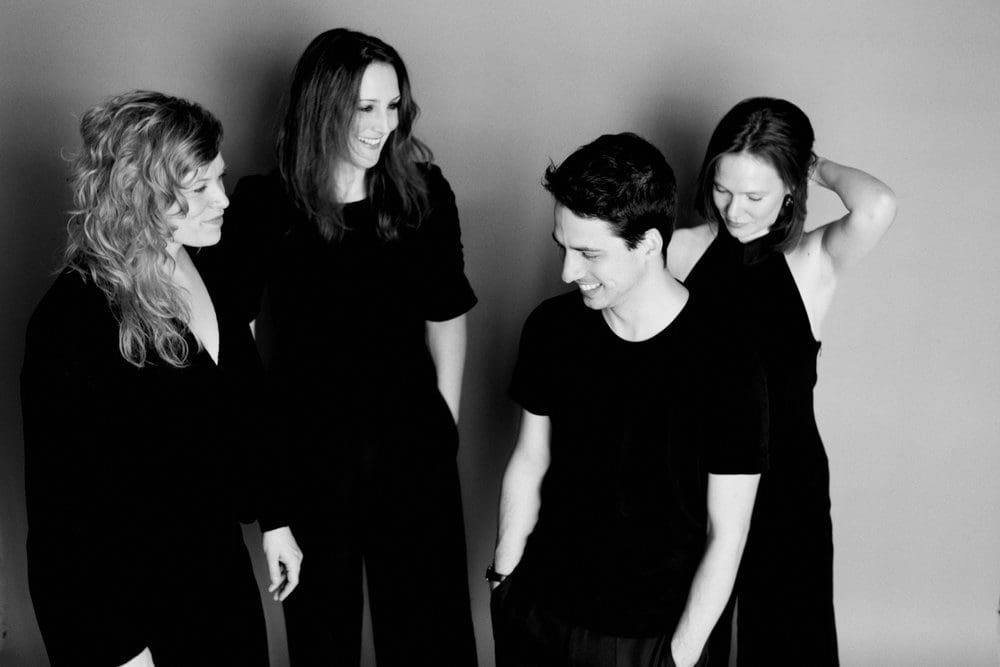
Albion Quartet: Ann Beilby, left, Emma Parker, Nathaniel Boyd and Tamsin Waley-Cohen
Albion Quartet, British Music Society of York, Sir Jack Lyons Concert Hall, University of York, January 13
ALTHOUGH only in existence for six years, the Albion Quartet has already visited York and North Yorkshire at least four times. Once a slightly cautious, even nervy, group they have matured considerably over that period.
Their appearance here for the British Music Society was ample proof of their progress, with string quartets by Haydn and Dvorak framing a shining piece by Freya Waley-Cohen written only four years ago.
Starting with Haydn is not the piece of cake it may seem. Ensemble needs to be neat and phrasing exact. You cannot get away with anything, the way you might perhaps in a modern, more diffuse work.
His Op 33 No 5 in G has a stop-start scherzo that demands the utmost concentration from the players for its humour to succeed. The Albions were more than up for it: they despatched it with supreme confidence.
They had settled straight into the groove in the opening Vivace and there was a satisfying zest about the closing theme and variations. Only in the slow movement might the leader, Tamsin Waley-Cohen, have been a little less edgy in her cantabile.
Her younger sister Freya’s Dust was written in 2019 after the premature death of Oliver Knussen, who had been her composition teacher. But its three movements are far from merely elegiac. The first, ‘Charlotte’, sounded like fragments of Haydn heard from a distance, stuttering at first but settling into a strong momentum, with the main action in the first violin.
‘Serpent’ was more like a scherzo. Again, its brio brought Haydn to mind, with frenetic, rhythmically exciting activity, first in the upper three voices, then in the lower three. There was anger, too, in its splenetic accents, which finally dissipated and slowed to a halt.
If there was a lament, it came in ‘Dust’, the final movement, which was reflective, lingering nostalgically, with two brief violin cadenzas before the tessitura rose inexorably, spidery at first before disintegrating into the ether. Dust is constantly intriguing and deserves to enter the repertoire permanently.
Dvorak’s first completed work on returning to Bohemia in 1895 after three years in America was his G major string quartet, Op 106. The grateful aromas of his homeland are unmistakeable here. The Albion pointed the contrast nicely between the effervescent opening and its calmer second theme.
The acceleration out of the development section was keenly observed, with Bohemian melodies presaging the sheer excitement of the coda. The slow movement was imbued with serenity, which held good despite the tug-of-war with darker colours at its midst. After a taut scherzo, with its smoother trio, the finale was notable for the way the voices tossed around its main four-note motif.
The finale of Dvorak’s ‘American’ quartet made a lively – and generous – encore. The Albion’s new self-confidence now allows its intelligence to shine through. Its return to Ryedale in the summer festival is an exciting prospect.
I AM going to frame this review of German pianist Elizabeth Brauss’s excellent recital with a couple of whinges. Firstly, there should be an usher seated at the exit doors during the recital. No matter how quietly someone intends to leave during a performance, the doors close with a disruptive kick. This could be easily mitigated and yes, it matters.
Now to the review: Throughout the concert, I was struck by how thoughtful, how sophisticated Ms Brauss’s playing sounded. This was self-evident from the opening Concerto in D minor by Bach (after Marcello).
The Allegro and Presto movements bristled with crisp, razor-sharp articulation while the central Adagio was achingly poignant, played with such lyrical tenderness. Quite remarkable.
As was Mendelssohn’s Variations Sérieuses. I confess that I have never heard the piece before, but goodness me what a wonderfully cultured, superbly knitted theme and variations it is. A few observations: stand-out points included the driven question-and-answer chat – left-hand octaves, right-hand chords of the third variation and the crispest of crisp staccato canon in variation four.
The sixth variation seemed to leap with neurotic joy, the seventh incredibly fast and thrilling. The musical bleed into the fugal variation ten was so wonderfully judged and the ensuing contrapuntal dialogue so clear and distinct.
Ms Brauss’s final variation or coda made the musical hairs on the back of your head stand to attention. They were still there throughout the performance of Hindemith’s mesmerizing, gently radical In Einer Nacht. What a marriage of intellect and emotion this turned out to be. Indeed, the character pieces, so wonderfully threaded together, had echoes of the second-half Schumann.
Once again, we were treated to a performance of serious insight and engagement. The work dazzles with diverse influences from opera, jazz and Debussy, closing off with a terrific bow in appreciation of J S Bach.
Ms Brauss delivered a full calendar of emotion, from simple playfulness to the gently twisted or grotesque. Her interpretation was infused with genuine empathy, as eloquently expressed in her introduction to the work.
After the interval, we were treated to a Schumann masterpiece, Carnaval. As is well documented, this collection of miniatures recreates a musical masked ball with guests including the composer’s friends, characters from the commedia dell’arte and Schumann himself.
The playing was so in tune with both the technical and creative demands, the characterisation so
vivid, that it left nothing to be desired or needed. Like the recital itself, every gesture here seemed infused with meaning, the whole work bristling with vitality.
Which brings me to close with my second critical point: why the encore? To be sure, it was Schumann (Von fremden Ländern und Menchen); to be sure, the performance was utterly poignant, but it just wasn’t necessary.
Following the conclusion of Elizabeth Brauss’s wonderful Schumann Carnaval, all that was needed was the rapturous applause it clearly deserved and then to set off, in the words of Paul Simon, homeward bound.
Robert Hollingworth: University of York Choir musical director
THE University of York Choir join forces with The 24 and The City Musick for an evening of the “Colossal Baroque” music of 17th century Rome at Central Hall, University of York, on March 18.
Under the direction of Robert Hollingworth, the 7.30pm programme combines Orazio Benevoli’s Missa Di Deus Pro Nobis for four choirs with what the choir’s musical director describes as “other monstrous works” by Benevoli’s Venetian teacher, Vincenzo Ugolini, among others.
Almost forgotten today, Benevoli (1605-1672) was one of the most important Roman Baroque composers of his day. “He wrote glorious, large scale, multi-choir music that included a technique called ‘reining in the donkey’, in which the lower parts move hastily underneath a static soprano line, supposedly like a priest sitting on and trying to hold back a frenetic donkey,” says Hollingworth. “Think King Of Kings in the Hallelujah Chorus,” he suggests.
The 24 is a University of York music department ensemble, conducted by Hollingworth, founder/director of I Fagiolini. The City Musick comprises cornett, sackbut, dulcian, strings, organs and theorbos.
Robert Hollingworth: Conductor of the University of York’s largest choir
University of York Choir & Baroque Ensemble, Central Hall, University of York, November 30
CHRISTMAS music of the Baroque and the 20th century were contrasted here in the five sections of Charpentier’s Messe de Minuit and four carol-anthems by Howells.
Interwoven with these were five extracts from A Child’s Christmas In Wales by Dylan Thomas. It was an ingenious idea, although none of these strands had much in common beyond the seasonal message.
Robert Hollingworth, who is now conductor of this choir, the university’s largest, read the passages from Thomas’s nostalgic view of a childhood Christmas, blanket-wrapped in an armchair and adopting an impressive Welsh lilt (that softened a bit towards the end). It was cosy, fireside stuff, with larger-than-life characters springing from the pages.
Charpentier’s late-17th century mass is almost balletic in its attempt to appeal to popular taste. The Baroque Ensemble, with guests leading three of its string sections, responded stylishly, with keen rhythm and taut ensemble.
The choir did not catch quite the same sense of urgency, perhaps feeling that Hollingworth’s baton was directed more at the players. That said, the tempo changes in the middle of the Credo were well managed. Alexander Kyle took over conducting for the final two sections, including a surprisingly jaunty Agnus Dei.
Variety came with several passages from a semi-chorus that additionally supplied soloists, who were at their most appealing when sopranos intertwined with recorders. A choir this size ranged on three flanks is always going to have difficulties with blend, especially in the very dry acoustic of Central Hall.
So, it was a pity that the least-known – and most recent – of the Howells pieces, Long, Long Ago, came first, before the choir had found its feet.
Here Is The Little Door, conducted by Kyle, was the best-shaped of the Howells. In contrast, A Spotless Rose was a little too fast for there to be no feel of the bar-line and the crunchy harmonies at the end, symptomatic of icy winter, were fudged. Bo Holten’s First Snow made an effective finisher.
Hollingworth is deservedly recognised as a first-class choir trainer. He will need just a little longer to stamp his mark on this choir. Watch this space.
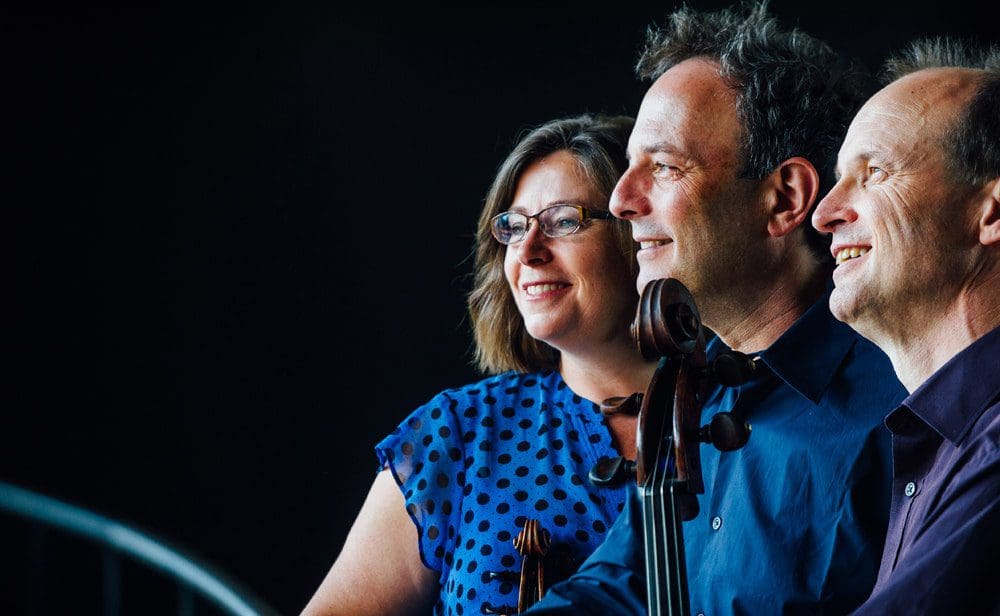
Gould Piano Trio: Lucy Gould, Richard Lester and Benjamin Frith, right
NOT many ensembles undertake Tchaikovsky’s only piano trio. Its wide-ranging scope and the difficulties it presents, particularly to a pianist, put it outside many groups’ field of vision.
The Goulds, however, are not easily intimidated. They have recorded it, and preceded it here with Fanny Hensel (née Mendelssohn, Felix’s elder sister) and our own Judith Weir.
Tchaikovsky was pretty cut up by the death of his great friend Nikolai Rubinstein, the pianist who co-founded what became the Moscow Conservatory and also premiered Balakirev’s notorious Islamey.
After a summer of sorrow, he wrote his only piano trio over the Christmas period 1881-2, To The Memory Of A Great Artist. It reflects both the composer’s grief and the personality and prowess of Rubinstein.
The Gould’s success with the piece, played after the interval, depended to a great extent on the supreme control of its pianist, Benjamin Frith. His extremely rapid arpeggios in the opening movement, for example, were tastefully suppressed, so that balance with the strings was never under threat, and he kept his greatest intensity for the big climax after the central Adagio of this huge movement, from which the ensemble subsided gracefully.
The theme and 12 variations of the second movement, some of which are quite short, represent Rubinstein’s mercurial charm and incidents in his life, although Tchaikovsky is not specific about the details. So they require a chameleon-like response from the players. The Goulds were more than equal to the task, flashing between moods as to the manner born.
After the early repetitions of the folksong-style theme – sweetly eloquent in Lucy Gould’s violin, richly autumnal in Richard Lester’s cello – the two strings combined in tasty duet before Frith brilliantly evoked a musical box in Variation 6.
The succeeding waltz was sheer delight, while the Fugue was notable for the clarity of its individual voices. Frith really came into his own in the mazurka, where he evoked Chopin. The five-minute cut authorised by Tchaikovsky made the final variation and coda much more persuasive than if given complete.
Although going hell for leather, the players remained keenly aware of each other’s roles, while the closing funeral march, echoing the very opening of the work, was a tear-jerker. The work had sounded far better than this listener had thought possible. Indeed, I bought the disc.
Fanny Mendelssohn has only in recent years begun to be recognised for the superb composer she was, having languished far too long in her brother’s shadow. Her Piano Trio in D minor was written in 1846, the year before her death, although not published till 1850. So she never heard it, in public at least.
The work opened the evening. At once it was clear that the players were listening and responding to each other in the pleasing Allegro, and there was an equally charming lightness of touch in the gentle Andante. The 3rd movement, Lied, with its piano prologue, reached a surprisingly emphatic climax. In the finale, the Goulds again allowed the music to speak for itself – not as easy as it sounds – and this time its climax was beautifully prepared.
Judith Weir’s Trio – the first of two so far – dates from 1998 and is a beguiling piece. Although not programmatic, it is inspired by locations. The Venice of Schubert’s solo song Gondelfahrer (Barcarole) lies behind its opening, and it was easy to sense the bells of St Mark’s and the lights twinkling on the water, although the gondolier seemed to be making heavy weather of his paddling.
Scurrying strings with piano interjections marked the opening of the scherzo, with fiercer, lower timbres in its more accented trio, the two eventually coming into collision like satellites swerving off course.
African energies had been the inspiration here. Darting melodic snippets, looking for an alliance, resulted from her vision of deserted Hebridean beaches in the finale. This is spacious writing, gloriously uncluttered, and the Goulds revelled in it: music to hear and hear again, especially when played with such love.
Loré Lixenburg: Hosting SINGLR An Appera at the NCEM, York, on Sunday
MEZZO soprano Loré Lixenberg hosts SINGLR An Appera, an experimental sound event, at the National Centre for Early Music, Walmgate, York, on Sunday at 8pm.
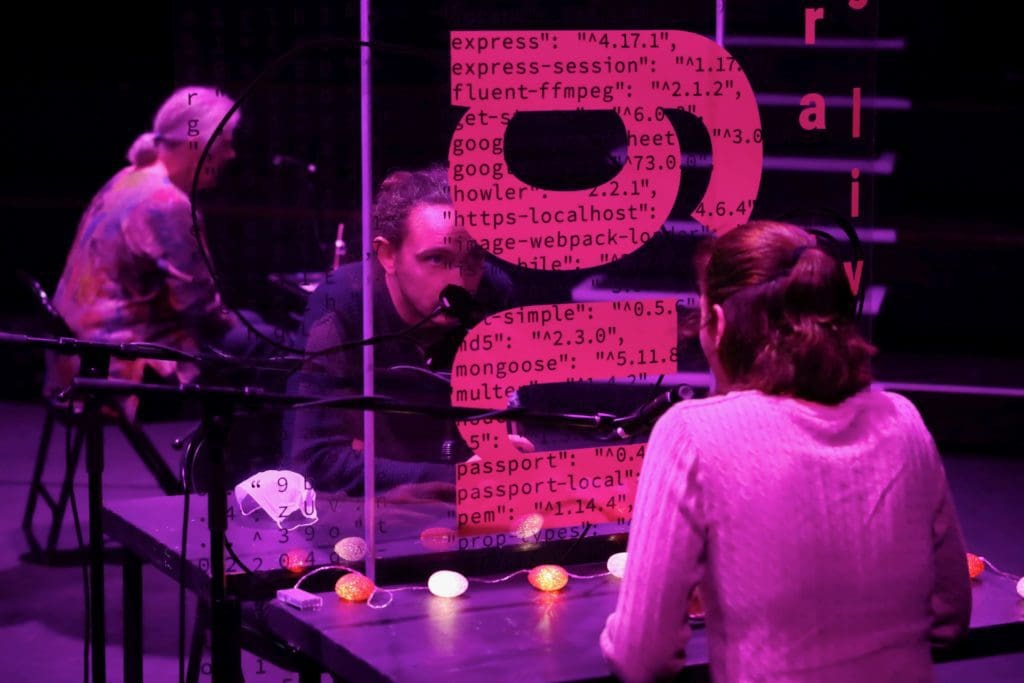
Developed at the University of York, the world’s first contemporary music experimental voice Appera – a cross between an app and an opera! – comes to St Margaret’s Church for one night only.
The stories presented on stage recount the first meetings of participants in a specially created purely vocal dating app, SINGLR.
Welcome to SINGLR’s “fabulous dreamlike musical evening”
SINGLR ponders: What kind of voice do you like? Low growly voices or high and pure? Are you a fan of a throaty, husky sound or a voice as clear and sonorous as a bell? What would be the outcome if we chose who to be with on the basis of the voice and vocal creativity, rather than the usual parameters of visual appearance, income and what kind of pizza someone prefers?
“For the audience, the SINGLR salon will be a fabulous dreamlike musical evening where ambient electronic tracks and live musicians accompany the vocalised conversations of the SINGLR app participants,” says Lydia Cottrell, of York event organisers SLAP.
Tickets can be booked on 01904 658338 or at ncem.co.uk on a Pay What You Can basis: £2, £4, £6, £8 or £10.
Them There Then That, Tabitha Grove’s story about stories, tours Explore York York libraries for Big City Read through October

Tabitha Grove explores beauty in the way that everything holds a story in Them There Then That at Explore York libraries
IN a second SLAP event, Big City Read 2022 artist-in-residence Tabitha Grove is exploring the beauty of the way that everything holds a story in Them There Then That, on tour at Explore York Libraries on various dates until October 30.
This new solo performance is inspired by Behind The Scenes At The Museum, York shopkeeper’s daughter Kate Atkinson’s 1995 debut novel, wherein she depicts the experiences of Ruby Lennox, a girl from a working-class English family living in Atkinson’s home city.
“It isn’t just books that hold our stories. It’s the people. It’s the places. It’s the times. It’s the objects around us,” says the event blurb.
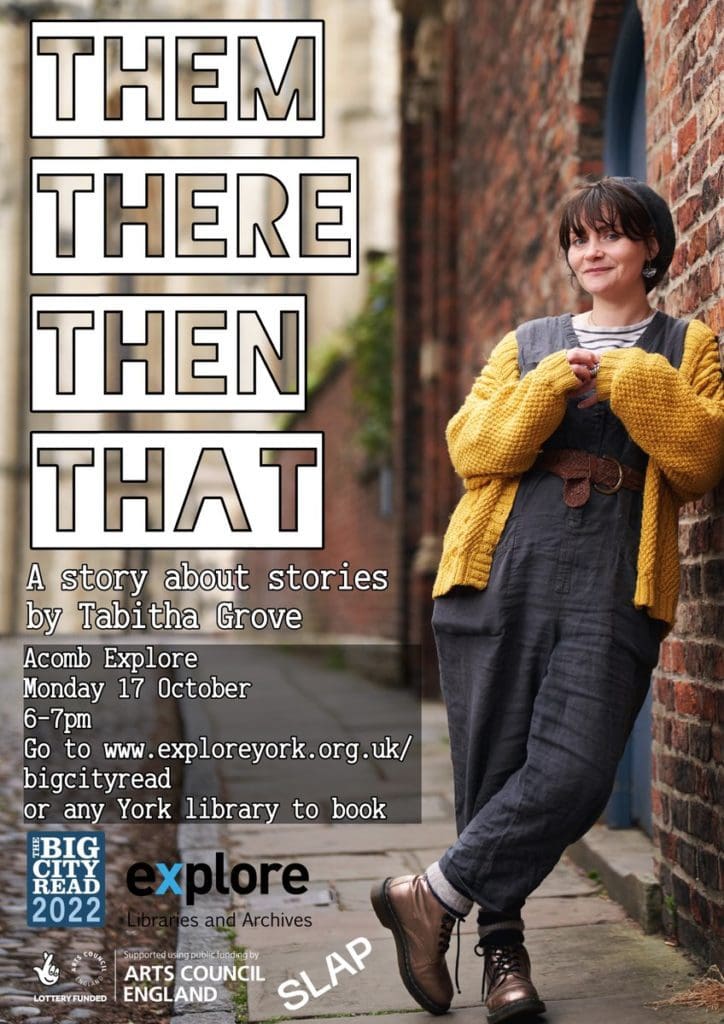
The poster for the Big City Read 2022’s tour of Them There Then That, a story about stories by Tabitha Grove
“We’ve all created stories from the moment that we could. We haven’t always written them though. We’ve drawn them, we’ve spoken them and we’ve sung them. And the point of all this? To share them.”
In doing so, “if we listen carefully enough, these tales can even help us create our own stories”.
Tabitha will be performing “a story about stories” at Tang Hall Explore Library tomorrow, 11am to 12 noon; Hungate Reading Café, October 26, 7pm to 8pm; Dringhouses Library, October 29, 1pm to 1.30pm, and York Explore Library, October 30, 2pm to 3pm. Tickets are pay-what-you-can, starting at free, at slapyork.co.uk/events?tag=TTTT.
ARE people really aware of the dangers of polluted air close to home in York, ask arts researcher, educator and cyclist Clare Nattress and atmosphere scientist Dr Daniel Bryant?
Their studies are the subject of a collaborative exhibition under the title of The Art Science Interface: Making York’s Air Pollution Visible, on show at Blossom Street Gallery, York, with project support from the National Environmental Research Council.
“The work shines a light on the air pollution experienced in York while cycling with the objective of making the invisible, visible,” says conceptual artist and University of York St John graphic design lecturer Clare, whose white-painted, pollution-splattered, unwashed bike forms the exhibition centrepiece.
The same Bombtrack Beyond +1 German bike on which Clare had cycled around six countries – Norway, Germany, Spain, then Nepal, and onwards to Australia and New Zealand – in ten months in 2018 when taking a break from work and study as she approached 30.
“Pollution is a hot topic at the minute and a pressing global issue. Air pollution causes serious health risks and costs to the NHS could reach £5.3 billion,” she says.
“Recently I was in the company of air pollution activist campaigner Rosamund Kissi Debrah, who lost her daughter to asthma, the first registered UK resident to have air pollution as her cause of death.”
One of Clare Nattress’s rides on a bus route in York. Picture: Matt Waudby
Airborne particulate species less than 2.5 micrometers in diameter, known as PM2.5, are considered to be the most deadly form of air pollution, contributing to millions of premature deaths per year globally.
“However, due to the small size of these damaging airborne particulate species, drawing public attention to the issue is challenging,” says Daniel, from the University of York’s Wolfson Atmospheric Chemistry Laboratories, who has worked alongside Professor Jacqui Hamilton. “Our study aims to increase public awareness of PM2.5 through our art-science collaboration.”
Clare has used her bicycle as a performative tool to pedal on low and high infrastructure routes around the City of York – where the roads around the circumference of the University of York and York St John University are highly polluted areas often blighted by heavy congestion – to investigate if there are striking differences in air pollution levels and chemical composition, depending on the routes.
Clare’s bicycle was equipped with a miniature aerosol sampler and air quality sensor to gather street-level data over the course of three months as she cycled up to five hours per ride in urban and rural locations within York and the surrounding areas with a focus on six commuter/bus routes to and from the universities.
The filters collected were extracted and analysed by Daniel through an established method used for PM2.5 filter samples, using ultra-high-performance liquid chromatography, high-resolution mass spectrometry to identify known compounds within the samples.
The process of collection and extraction were documented, and the filters also photographed and investigated under a microscope by Daniel.
The data and information gathered have been incorporated onto a digital map of York to reveal collection locations and routes, as well as pollution concentrations and compounds present within filter samples.
“Combining this data with photographs and video snapshots of each performance ride will improve the public’s ability to see for themselves pollution within their city,” says Clare, whose work forms part of her own Digital Smog project, hence the involvement of her partner, Matt Waudby, as photographer and videographer.
His photography, by the way, featured in an exhibition at Cycle Heaven, where he works, during the 2021 York Design Week.
“As an artist, I’m interested in the embodied experience of bicycling using theories of performativity and materiality,” says Clare. “The body becomes a site for academic enquiry. How does the body attune to air pollution? Can we smell it and can we taste it? How does it interact with our bodies while cycling? This other than human collaborator is interconnected with our bodies; we are intertwined.”
Clare and Daniel’s interdisciplinary, frontier-pushing partnership has increased their understanding of environmental hazards that face cyclists and the benefits of a healthier environment through improved infrastructure.
“This study has been beneficial to help monitor and creatively disseminate exactly what cyclists and the public are exposed to and will help to inform effective solutions,” says Clare.
“Despite ongoing evidence that suggests art enhances our understanding of science and data, there’s still much to analyse regarding impact and personal realisation for action.
“This research project and resulting exhibition provide initial evidence that the public engages with creative and visual outcomes that aim to make the invisible, visible.”
Clare and Daniel’s research project comes against the backdrop of between 28,000 and 36,000 deaths every year in the UK being attributed to human-made air pollution.
“But it’s very difficult to pinpoint because everyone is subjected to it,” says Daniel. “It’s like how you could smoke all your life and not die from cancer, or you could smoke only one cigarette but die from cancer.
“The whole point of the project is to highlight pollution visually, especially to make you think if you’re travelling in a car.”
Clare points out: “Pollution is worse if you’re sitting in a car in traffic, whereas a cyclist or pedestrian is not exposed in the same way because they’re on the move. In a car, you’re in a hot box for pollution.”
Clare Nattress: Ride 10. Picture: Matt Waudby
Daniel rejoins: “Pollution levels vary, depending on the weather, the temperature, the time of year, the day of the week, the density of traffic. What we do know is that idling in traffic is a big issue in a small city like York where you have to stop a lot, deal with the one-way systems, and everyone trundles along Gillygate, for example.”
Clare adds: “In terms of smelling it, Rougier Street is the worst, the most pungent. That’s because it’s ‘bus central’.
“Look at what’s happening in York. In Gillygate, where Wackers [fish and chips restaurant] is being turned into flats, they’ve been told to keep windows shut…because of the air pollution.”
Clare’s cycling is powering her PhD studies in the School of Art at Leeds Beckett University. Here is the snappy thesis title: “How can cycling be a performative methodology to investigate, reveal and disseminate the problem of air pollution?” As Freddie Mercury once exclaimed, the answer is: “Get on your bikes and ride”.
In practical terms, Clare has learned: “There are cheap, affordable sensors that you can buy to attach to your cycle or backpack to record your exposure, and I now choose my cycling routes more carefully, going on longer routes to avoid pollution,” she says.
York likes to portray itself as the city of cycling. “York is lucky that it has the two rivers [the Ouse and the Foss], with all those cycle paths, but if you took the rivers out of York, it wouldn’t really be a cycling city, with all that heavy traffic,” says Clare bluntly.
Pollution, as captured on a Clare Nattress bicycle ride
Looking at the art and science interface from the artistic perspective, she welcomes the chance to make her Blossom Street Gallery debut with conceptual work that “sits differently to the art it’s positioned alongside, so hopefully it brings a new audience there”.
To prove the point, invitations to the opening private view were extended to the cycling community, scientists and lecturers interested in air pollution, as well as York’s creative network and artists.
Daniel has welcomed the opportunity for collaboration between different disciplines at York’s universities. “Before this work, I would never have thought of doing a project like this. If I just did it for a journal, no-one in the wider public would see it, but the Blossom Street Gallery exhibition makes that possible,” he says.
“We’re now looking for further funding to expand the interface. If we get it, we would look to purchase sensors to make them available for commuters and hobby cyclists to get a breadth of pollution research material and then upload the data.”
Clare adds: “We would also look to run workshops, getting people together from different industries to really look at where pollution is worst in York and what can we do about it.”
The Art Science Interface: Making York’s Air Pollution Visible runs at Blossom Street Gallery, York, until June 30.
Lab work for the Art Science Interface
The science bit:
Particulate Matter 1, 2.5 & 10. (PM1, PM2.5 & PM10) PMs are small solid particles that can penetrate into the lungs with the finest ones even binding to blood vessels. PM10 refers to particles smaller than 10 microns in diameter or a tenth of the width of a human hair. PM2.5 are those smaller than 2.5 microns.
PMs can come from road traffic, energy consumption and natural phenomenons such as volcanic eruptions. PMs can change according to wind speed, weather and temperature, often settling in locations with a lack of wind.
Nitrogen Dioxide (NO2) NO2 is a suffocating gaseous air pollutant formed when fossil fuels such as coal, oil, gas or diesel are burned at high temperatures. 50 per cent of NO2 emissions are due to traffic.
Volatile Organic Compounds (VOCs) VOCs are a combination of gases and odours emitted from many different toxins and chemicals found in everyday products. These can include household paint, new furniture, candles, cooking, cleaning and craft products as well as beauty products and cosmetics. They can also be emitted by traffic and industries. Some VOCs are classified as carcinogenic. (Plume Labs, 2022).
The funding bit:
THE Art Science Interface: Making York’s Air Pollution Visible is one of three projects to share a £76,000 grant from the NERC Discipline Hopping for Environmental Solutions grant awards.
Did you know?
YORK has the highest rate of bicycle thefts in England.
SARA Davies, the Queen of Crafting from Dragons’ Den, will bring her interactive, creative debut tour to York Barbican on December 3.
On her 13-date travels, University of York-educated Sara will pass on every possible tip and solution to create the perfectly styled Christmas in Craft Your Christmas With Sara Davies. Tickets go on sale at 10am tomorrow at Sara-Davies.com and yorkbarbican.co.uk.
An estimated two in three women take part in a craft hobby, making it a fast-growing trend. From gifts to garlands, cards to crackers, wrapping paper to mantlepiece decorations, Sara will show her tour audiences how to craft Christmas with a range of practical demonstrations, tips and a healthy slice of her down-to-earth know-how.
“It goes without saying how much I love crafting but crafting for Christmas is simply the best time for crafting,” says County Durham-born Sara, 38. “I’m going to share all the little hacks and shortcuts to achieve that perfect look for the perfect crafty Christmas.
“Sharing this with your friends will make a great night out and hopefully you’ll leave having had a ton of fun, feeling excited about having a home-made personalised Christmas.”
Sara Davies: Crafting businesswoman
Sara Davies’s back story
BUSINESS has always run in her blood, Sara having taken inspiration from her parents’ decorating shop to build her own empire.
It began with The Enveloper, a bespoke envelope maker she designed at the age of 21 at university that became an instant hit with the crafting crowd.
This soon evolved into Sara’s Crafting Companion business, which sells all types of creative materials and boasts an average turnover of £34million.
Sara’s company has more than 200 employees across her British and California headquarters, gaining her an MBE for services to the economy in 2016.
She became Dragons’ Den’s youngest ever female investor in 2019, since when she has made more than £1.1million of investments on the BBC show, giving new businesses a shot in the arm.
She was partnered by Aljaž Škorjanec in the 2021 series of BBC1’s Strictly Come Dancing.