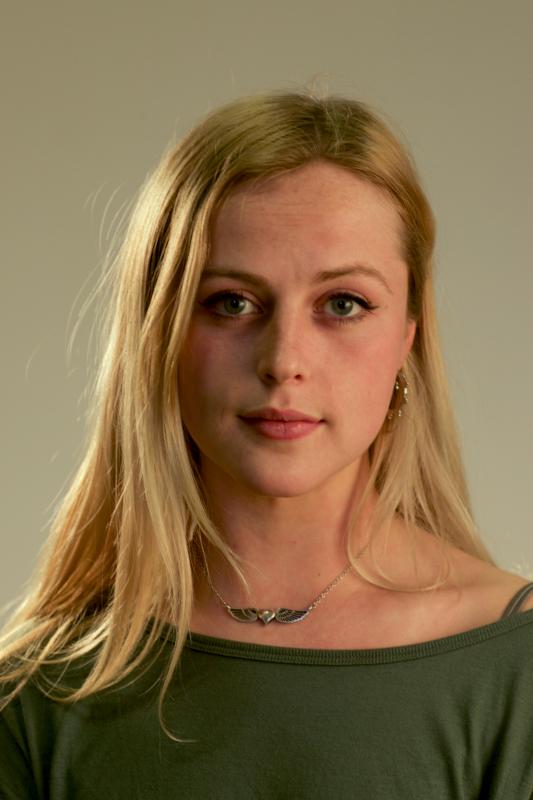
Yoshika Colwell: Two shows for At The Mill’s residency week at Stillington Mill
AS part of At The Mill’s residency week at Stillington Mill, near York, Yoshika Colwell gives a work-in-progress performance of Invisible Mending tonight (16/9/2021).
At 8pm, the former University of York student explores creativity, knitting, the strange journey of grief and the transcendent act of swimming in the sea.
“In the summer of 2020, as a global pandemic raged, Yoshi was processing the unexpected dying and death of her beloved grandmother, Ann,” explains At The Mill programmer Alexander Wright.
“A woman of few words, Ann’s one great creative outlet was knitting. And not just any knitting. Her projects were glorious, intricate, virtuosic works of art, which still adorn the wardrobes of her nearest and dearest.
“As she reached the end of her life, Ann started a new project. Too wide for a scarf, too narrow for a jumper, this project had no end goal. She was simply using up the last of her wool.”
Yoshi now takes up this piece where Ann left off. “Like the fates who weave our destiny, like Penelope who works her wool all day and unpicks at night, and like the Lady of Shalott, who must keep weaving to remain alive, Yoshi explores what it means to pull loose threads together,” says Alexander.
“She weaves together live music, knitting, interviews, and diary entries into a tapestry that asks us what creativity is, and how it can help us as we navigate the inevitable journeys we must all take.”
Yoshi will complete her residency with Yoshika & Friends, Sunday’s 8pm concert of new music, showcasing her soul-searching debut solo EP, her first since Luuna’s 2016 EP, Moonflower. Fellow residency participants Max Barton and Jethro Cooke’s experimental outfit, Slowstepper, will perform too.
For tickets, go to: tickettailor.com/events/atthemill.
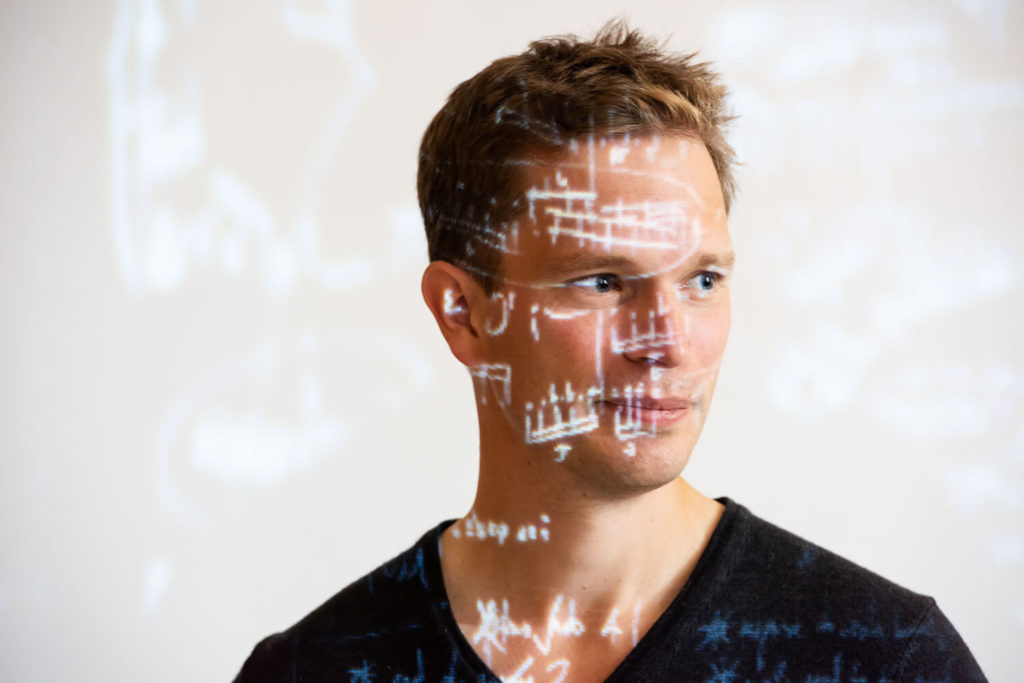
Christian Mason: Composer and University of York alumnus at the heart of the first York New Music Weekend
THE inaugural York New Music Weekend will be launched on Friday at the University of York.
Running for three days but staying online for longer, this new annual festival celebrates contemporary music in York.
Under the theme of Time-Space-Sound-Light, the weekend centres on the work of Christian Mason, an award-winning composer and alumnus of the University of York’s department of music.
The online event includes premieres of new pieces and music by the composers who have influenced him, performed by members of The Octandre Ensemble, The Assembled, pianist Rolf Hind and The Chimera Ensemble.
Interviews and recordings contribute to a rounded profile of this leading British young composers.
In Friday’s opening 1pm concert, recorded at the Sir Jack Lyons Concert Hall, The Chimera Ensemble, Britain’s largest student-run contemporary music ensemble, present new works by student composers Emily Linane (Flute Miniature), Lucy Havelock (that silk, unrestricted), Joe Bates (Cataracts), Fred Viner (Bells Wrung) and Becky Davidson-Lund (Shade And Light).
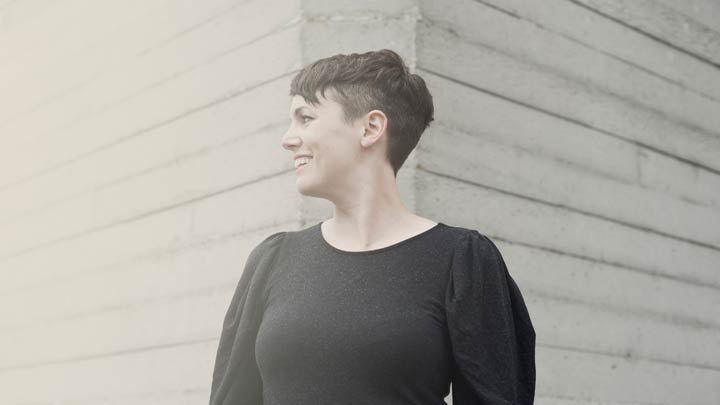
Anna Meredith: Composer studied at the University of York. Picture: Owen Richards
After Axeman by University of York alumna and BBC 6 Music favourite Anne Meredith, the concert concludes with a piece as reflective as its title, Pauline Oliveros’s Mirrorrorrim.
Based on the theme of expressing the visual, the Chimera programme weaves its way from mirrors to luminosity and the nature of bells, exploring colour and texture while featuring an unconventional use of fabric, amplification and distortion.
At 7pm on Friday, Rolf Hind’s online piano concert, Nature, Lockdown And Dreams Of Travel, includes Hind’s Bhutani and Hind et al’s Lockdown Sequence (pieces written for Hind in lockdown from a call on Facebook), Matthew King’s When Birds Do Sing, Christian Mason’s Three Waves From Afar, Elaine Michener’s Tree Scream and Messiaen’s Le Loriot from Catalogue d’Oiseaux.
Online on Saturday at 7pm, pianist Hind and Mason (rin bells, harmonica, electronics) join fellow members of The Octandre Ensemble, Audrey Milhères (piccolo, flute) and Corentin Chassard (cello, scordatura cello) to perform Mason’s Just As The Sun Is Always.
In Sunday’s 1pm online concert, pianist Kate Ledger and The Assembled present the world premiere of Androgynette, a multimedia work by Ledger, James Redelinghuys and artist Angie Guyton. Watch Three Refractions Of A Body Etude on Ledger’s YouTube channel for a flavour of what to expect.
At the festival’s second concert by The Chimera Ensemble, the university’s new music ensemble, on Sunday at 7pm, the focus turns to new works by composers, largely from Yorkshire and the North East, alongside student works.
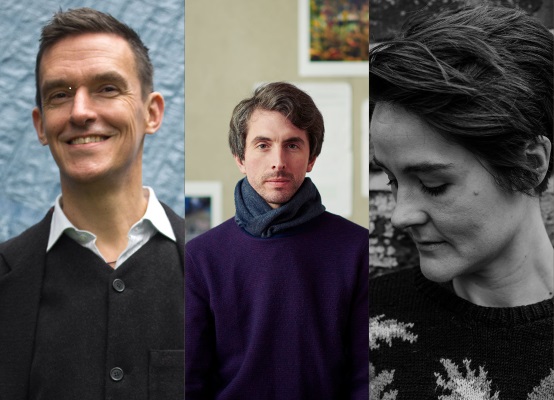
Rolf Hind, Christian Mason and Kate Ledger: Prominent roles in the inaugural York New Music Weekend
Again recorded at the Lyons, the programme comprises: Ed Cooper’s …incantations fixate…; Linda Catlin-Smith’s Knotted Silk; Nicholas Peters, Placebo; Michele Abondano, The Shimmer Beneath: A Scattering Attempt; James McLeish, Crimson; Rossa Juritz, the sound of wooden dusk; Rebecca Peake, Purple Smoke, and Yue Ming’s The Eternal Circle, plus reprises of Anna Meredith’s Axeman and Pauline Oliveros’s Mirrorrorrim.
This programme considers time, colour, texture and fabric, typified by Catlin-Smith’s irregularly spaced Knotted Silk and Peters’ rhythmically forceful Placebo as The Chimera Ensemble inhabit an exhilarating array of sound worlds.
Among other events this weekend is an interactive video collaboration of dance, music and cinematography between the Scottish Ensemble, Scottish Dance Theatre and composer Martin Suckling, entitledthese bones, this flesh, this skin.
This Watch Anytime feature is a digital work for solo violin and solo dancer by composer Martin Suckling, choreographer Joan Clevillé and cinematographer Genevieve Reeves. Through a bespoke online platform, audience members are invited to combine different audio and visual layers to decide how they want to experience the work in multiple iterations.
Born out of this unique period in our lives, the piece “explores how heightened attention can reveal different experiences of time in our bodies and the environment around us”. This layering of simplicity and complexity also manifests in the way the viewer/listener is asked to make decisions.
In a nutshell, “with every new iteration, we discover new perspectives, new nuances waiting for us in the spaces in between music, cinematography and dance, between the traces of our own memories and the aliveness of our attention.”
Composer Martin Suckling: Interactive video collaboration with the Scottish Ensemble and Scottish Dance Theatre, combining dance, music and cinematography
Another Watch Anytime feature, Distanced Modularity, is presented by Jethro Bagust, Lynette Quek and Ben Eyes, who contend that “the pandemic has been a disaster of unimaginable proportions. Making art and music during such a time, while others are suffering and enduring great hardship, seems futile.
“However, music and art are a great comfort to many, perhaps not more so than the musicians themselves and the social interaction that plays an indelible role in music.”
Using the Ninjam server set-up at York to synchronise two geographically distant modular synth set-ups; Bagust and Eyes explore how streams of found audio, real-time modular synthesis, stochastic compositional processes and video (courtesy of Lynette Quek) can be merged online to create a real-time audio-visual miasma. The piece was recorded live in one take after several distanced rehearsals.
Jethro says: “The instrument I play is populated with numerous chance elements that are linked to musical parameters. These elements of uncertainty blur the distinction between the roles of performer, composer, and audience because we are all hearing the music for the first time.
“Improvising with indeterminate instruments such as this, that defer the note by note production to algorithms, might be akin to steering an animal that you can point in a particular direction but not precisely know their behaviour.
“There is a tension between the human and the machine; the player must listen and react, responding to the system at an indirect meta-level.
A still from Jethro Bagust, Ben Eyes and Lynette Quek’s Distanced Modularity
The pre-recorded audio sources are from John Cage and Morton Feldman, In Conversation, Radio Happening I of V, recorded at WBAI, New York City, 1966-1967.
“Ben’s own set-up is based around a custom Max/Msp patch, linked to a modular synth, that allows real-time interaction with musical sequences and rhythms. Influenced by dub and techno, sound sources in the system are filtered, delayed and reverberated live in the mix to create musical form and progression,” says Jethro.
The festival’s five concerts, all recorded live, will be complemented by a round-table discussion on Sunday at 2pm when the speakers will be British composers and musicologists Martin Suckling, Minyung Im, Carmen Troncoso Caceres, Richard Kearns and Catherine Laws, in response to the pandemic-enforced closure of venues generating an explosion of online music-making.
Join the creative teams behind the festival’s Watch Anytime features, these bones, this flesh, this skin, Ceci n’est pas un piano and Between Air, Clay And Woods Of Certain Flutes, as they discuss ways to approach online performance beyond the “filmed concert” paradigm.
“Explore their online features and bring your questions to this interactive session,” comes the invitation to an event hosted on Zoom. Ticketholders will be emailed the Zoom link the day before the event.
All events are free but booking is required at yorkconcerts.ticketsolve.com/shows. Ticketholders can watch all the performances on demand until Sunday, July 11 at 23.59pm.
Ashleigh J Mills: Exploring and digesting lived experience of life on the margins
THE Love Season will soon set hearts pulsing at York Theatre Royal, where the Step 3 reopening will make its mark with Love Bites: a love letter to live performance and a toast to the city’s creative talent.
More than 200 artists from a variety of art forms applied for £1,000 love-letter commissions to be staged on May 17 – the first day that theatres can reopen after restrictions are lifted – and May 18.
The 22 short pieces selected will be performed each night at 8pm under the overall direction of Theatre Royal creative director Juliet Forster. Each “bite” will take hold for five minutes.
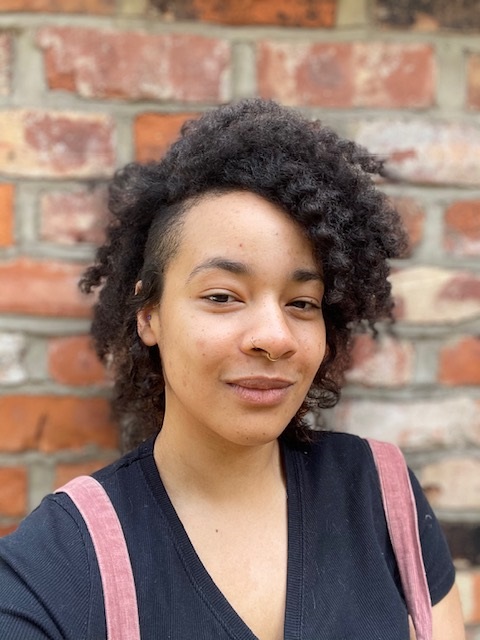
In the fifth in a series of CharlesHutchPress Q&As, Ashleigh J Mills [they/them] has five minutes to discuss their Love Bite,In Progress.
ASHLEIGH [they/them] is a Black, non-binary and unapologetically autistic creator, calling themselves Angry Black Changeling on their Twitter account. Politically and poetically minded, their work seeks to explore and digest their lived experience of life on the margins. They believe that within resistance lies creation. They are a work in progress.
How did you hear about Love Bites, Ashleigh?
“Henry Raby, York’s resident punk poet, tagged me in the call out on Twitter. As someone who dips in and out of York’s poetry scene, he probably recognised that it’d be definitely something I’d be interested in! And I was!”
What is your connection with York?
“I moved to York almost eight years ago now. Initially for university, I’ve attended both York St John and the Uni of York in the past. But really, I’ve made my home there. I’ve got partners and a cat and everything!”
What will feature in your Love Bite, In Progress, and why?
“In Progress is a poem I’ve created as a love letter to words and to the complex and tricksy process of learning who you are and who you’re going to be. I’ve kept a Good Words List for over four years now: a list of words I don’t know, learn and don’t want to forget. Using those words, I’ve created a piece about lockdown-inflicted self-reflections.”
You believe that “within resistance lies creation”. Discuss further…
“We live in a world of oppressive power structures. I’m a person who is Black, queer, trans, autistic, and disabled. As such, my existence will always function as a form of resistance – whether or not I opt into that. “I think there are a myriad of ways to navigate straddling so many intersections, but for me, poetry and art is my primary outlet and communication tool. It helps me filter and process my own experiences and find similar community, which is an endlesssly important thing when any one of those facets of my identity can implicitly result in isolation. I believe, as Audre Lorde once wrote, “poetry is not a luxury”.
In lockdown, what have you missed most about theatre?
“I’ve been quite privileged in terms of lockdown and theatre. I’m studying a professional acting MA at ALRA North [Academy of Live and Recorded Arts, in Wigan, Manchester]. While lockdown has undoubtedly impacted us, it’s also been sprinkled with times I’ve been able to get into a (Covid-safe) room and create with my small cohort. It’s been a relief, an adventure and a very stressful time all in one!
“I’ve missed being able to explore new places and theatres and see new experimental and exciting ways of working! However, I’m pleased that accessibility within theatre has come into the mainstream awareness and contention.
“I hope the trend for more accessible theatre continues as more venues begin to reopen their doors. Like poetry, theatre and art should not be a luxury! I hope the future holds a new way of doing things that doesn’t negate the widened access lockdown has inspired!”
What’s coming next for you?
“I’m heading into my final seven months of my actor training. So hopefully I’ll finish that and get a certificate to prove it!
“More seriously, I hope to unearth a way of making art that I can access holistically. I often receive feedback that I’m too intellectual or academic. But really, I feel that this is a symptom of existing as I do. When your existence is politicised, people often assume that when you speak from experience, you’re trying to root a social theory or make it accessible. I’m not. I’m just expressing myself as best I know how.
“In summary, I want to work with new people and find new ways of accessing creativity. I want to act. I want to write. I want to continue exploring this new-found joy of play. There’s much I want to do! So we shall see what the future holds when we get to it.”
What would be the best way to spend five minutes if you had a choice?
“My dream five minutes would be being inside on a rainy Sunday afternoon, with my cat, Franklin, on my lap. I’d have a coffee from the local fancy coffee shop, soft music would play in the background, and I’d be able to just sit, and be, and read a book from my books-to-read shelf without thinking about work, or deadlines, or ‘being productive’.”
Tickets cost Pay What You Feel at yorktheatreroyal.co.uk or on 01904 623568.
Liina Turtonen: Leading the Level music production placement scheme run by Young Thugs Studio in York
YOUNG Thugs Studio, in York, are to run a six-month placement in music production and studio engineering for women and non-binary people aged 18 to 25 under the title of Level.
Working in partnership with the Youth Music Incubator fund, Young Thugs are offering this opportunity to three people in York and surrounding areas to explore studio production and the chance to build skills as a studio engineer and producer.
Participants in this paid placement, funded through players of the People’s Postcode Lottery, will work with industry mentors, led by Liina Turtonen, to acquire knowledge, skills and a CV and gain direct access to industry professionals.
No qualifications or previous studio experience is needed, although basic music software skills are required, and childcare and travel support can be provided.
“These are very exciting times at Young Thugs despite all the Covid shenanigans,” says Dave Greenbrown, co-director of the studios upstairs at the South Bank Social Club, in Ovington Terrace, York.
“Following on from York band Bull’s EMI deal [in tandem with Young Thugs], not only have we now secured our permanent home with a long lease at South Bank Social Club – saving the building at the same time – but we’re also now in receipt of this Youth Music grant to develop a Women In Music programme in York.”
Outlining the programme, co-director Jonny Hooker says: “Over a six-month period, you will receive ongoing one-to-one studio mentorship, personal development, and be given a chance to work on real-time projects with established artists and industry professionals.
“We’re looking for three women or non-binary people who have a passionate interest in wanting to work in a studio environment. It’s OK if you have no qualifications or studio experience, but this opportunity does require you to have some basic music recording and production experience.”
Jonny continues: “Young Thugs will offer a bespoke support package for you that will cover your time, as well as help with things like childcare and travel if required.
“This programme will give you a toolbox, live project experience and could open up opportunities for you to consider further or higher education and employment.
“This opportunity is open to all women and non-binary people who are 18 to 25 and we really want to hear from you.”
To apply, you need to send your answers to the questions below in written, video or audio format to level@youngthugs.com by the closing date of March 31 2021.
* Your name, age and location?
* Why do you want to take this opportunity now?
* How would this opportunity help you moving forward?
* What previous music experience do you have?
* What other information do you feel we should know about you?
* Do you have any access requirements?
If you need this information in another format, send an email to level@youngthugs.com or call 07812 605833 for more details.
Summing up the Level project, Dave says: “Promoting Women in Music Tech over a six- month period, we will teach, train and mentor three women in music technology and production.
“With a chosen industry mentor and in a safe environment, they will work within a busy professional recording studio, working with female artists or bands to create a series of singles, EPs or an album of their choice from conception to release.”
Finnishing touches: Music producer and musician Liina Turtonen in her studio
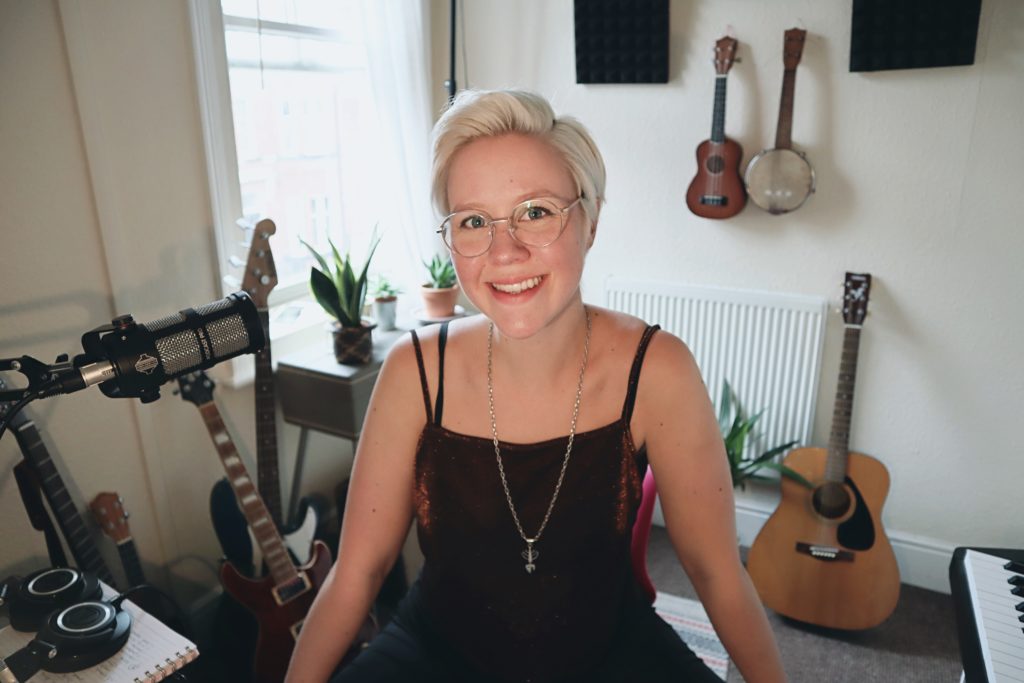
RUNNING the programme for Young Thugs will be Nordic-born Liina Turtonen, and aptly for an international woman now living and working in York, CharlesHutchPress caught up with her on International Women’s Day.
“I’ve been in York for about four years and in the UK for eight years,” says Liina, from Finland, who lives in South Bank, where she has a home studio. “I first studied in Scotland, in Ayr, when I’d been travelling around the world from 18 to 21.
“I was in Glasgow, and I’d fallen in love with electronic music. I was supposed to be on my way to Australia but never got there.
“Instead, I studied commercial music at the Ayr campus of the University of West Scotland. Commercial music means ‘popular music’, and the course was a combination of many things, but I just fell in love with studios and technology. You’d find me in the basement, on the soundboards.”
Liina decided her next step should be an MA in music production and duly headed south to the University of York.
How did that go? “I would say it was among best things I’ve ever done,” she says. “York Uni was one of the most supportive environments I could have had, and that’s why I’ve been able to make advances in my career so quickly.”
Liina’s own trajectory tells only part of the story, however. “Only 2.6 per cent of the industry are women producers or engineers, and I would say that’s 2.6 per cent of the whole industry across the world,” she says.
“That tells us why something like this Level placement project is necessary and that’s why it’s great that Young Thugs are doing this for young musical talent in York. I think there’s a lot needed to make sure the levels are better for the future.”
Studying music production, “I always felt very alone as a woman”, reveals Liina. “I didn’t have any female lecturers. I’ve never been taught music production by a woman.
“There were two women in the tech department, but for my course, it was two women studying among 15 guys.”
What characteristics are needed in such an environment for a woman to thrive? “I would say one word: confidence…because confidence opens up all the conversations. Everything comes back to confidence,” says Liina. “What you’re up against is the social structure, the patriarchal society.
“The difference between male and female confidence is that, for men, lack of confidence doesn’t stop you doing what you’re supposed to be doing, but not having confidence can stop women from doing what they’re inspired to do. It’s so powerful that it literally stops us.
“It needs so much constant effort, so much courage, to be the minority in this industry. So much so, a woman may not want to go into a studio as the only woman there, feeling you’re not going to know what you’re doing, so you fear being called out. It’s about imposter syndrome, and there’s benevolent sexism too.”
Liina’s own experience affirms why the Level programme is so important to give more women and non-binary people the chance to break into music production to change the prevailing landscape.
“It’s such a strong feeling that even if you know how to do it, like going to university to study – that’s a very encouraging environment, but then you go into a space where you’re the only one that looks like you and people talk to you in a slightly different way, so you start thinking you can’t do it,” she says.
“I would say I’ve encountered that every single day of my career, every day I go into a studio. I go into the studio for the fifth time and I still have to prove that I’m worth it, both to myself and others, which is exhausting. It’s part of my everyday life to prove that I deserve to be where I am, but I have the courage to keep doing it.”
The Level project, with its emphasis on a safe environment to nurture women producers, working with women musicians, is but one avenue for Liina. The musician, songwriter, music producer and educator also hosts LNA Does Audio Stuff, her own music production-focused YouTube channel, featuring tutorials, reviews, vlogs and fun audio challenges.
“I’ve been doing it for two years and it’s one of my key jobs,” she says. “I’ve just published a song made by 90 women and non-binary people, made long-distance with six women producers pulling it together.
“My channel is mostly an educational forum, but it’s also my point of view from my life.”
In addition, Liina is co-founder of Equalize Music Production with Emily Johnson, aka Emily J Electric, a performer, musician and DJ. Proud members of the Musicians’ Union and associates of the Yorkshire Sound Women’s Network, they deliver courses and workshops in music production, song-writing and performance…and creative confidence (that word again).
“Because of that we got to know Young Thugs, and that’s why I’m doing this project with them,” says Liina. “What they’re doing as a male-led organisation is exactly what every studio should do, asking what we need, which is not something I’ve seen before.”
Looking forward to working with three placement participants, Liina says: “I can’t wait to see them, bringing them to spaces where they don’t need to prove themselves every day.
“The great thing is that they don’t really need to know anything in advance; they just need to be passionate. This programme says: ‘Everybody is good enough. Just get yourself in there!”
Creating a safe space is vital. “Even as a professional music producer, I know studios are very male dominated, so many women I know prefer to work from home, but for Level we will make it a very approachable space,” says Liina.
“I feel very comfortable in a studio, and when we feel comfortable, men do too, making such spaces less toxic.
“We’re still far away from it not being like a locker-room male environment, but these projects fight against that environment for everybody. We want great music, great musicians, great producers, great engineers.”
Do apply, stresses Liina: “If there’s someone who really wants to apply, or someone has a daughter who wants to apply, but maybe needs some encouragement, then go on, apply, even if they’re not confident, because it’s an amazing opportunity.
“I wish I’d had this chance when I was starting because my journey would have been easier and more pleasant if it had been easier, and maybe that’s why I always work so hard to achieve things.”
Emergence Festival: A celebration of emerging talent, presented on Zoom from the University of York
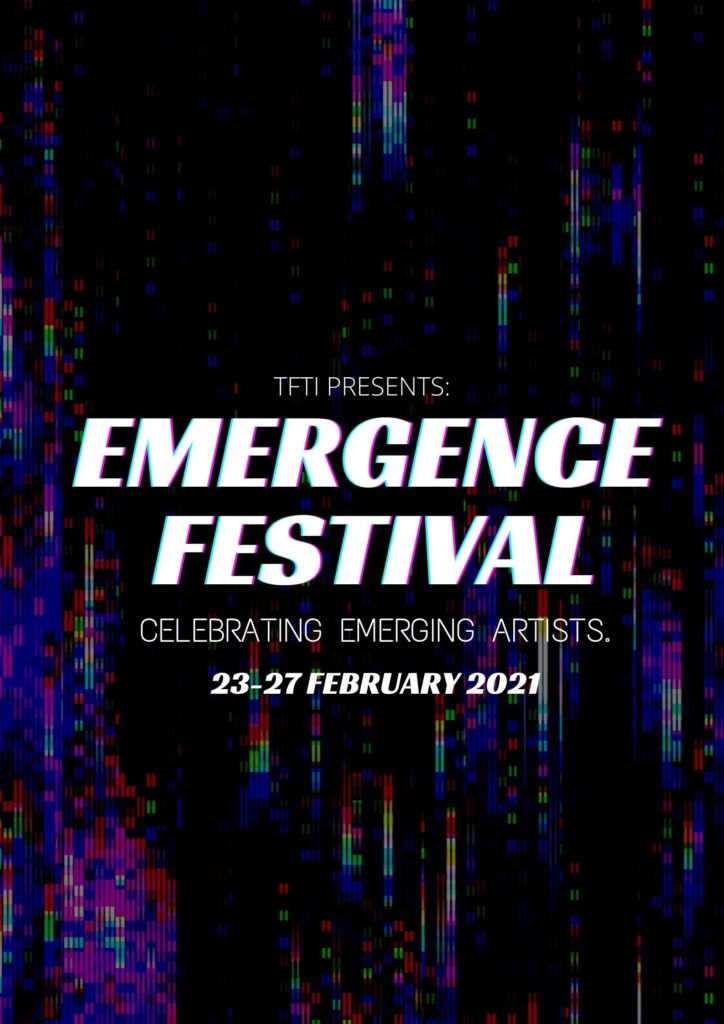
EMERGENCE Festival, a free virtual arts festival showcasing emerging artists creating work in York in the pandemic, will run online from tomorrow (23/2/2021) until Saturday.
Co-ordinated by co-producers Olivia Maltby, Millie Feary and Blyth McPherson at the University of York, the festival on Zoom will feature six plays directed, designed and performed by students: NSFW by Lucy Kirkwood; Mike Bartlett’s Wild by Mike Bartlett; Ross & Rachel by James Fritz; Gary Owen’s killology; Wild Swimming by Marek Horn and Jez Butterworth’s The River.
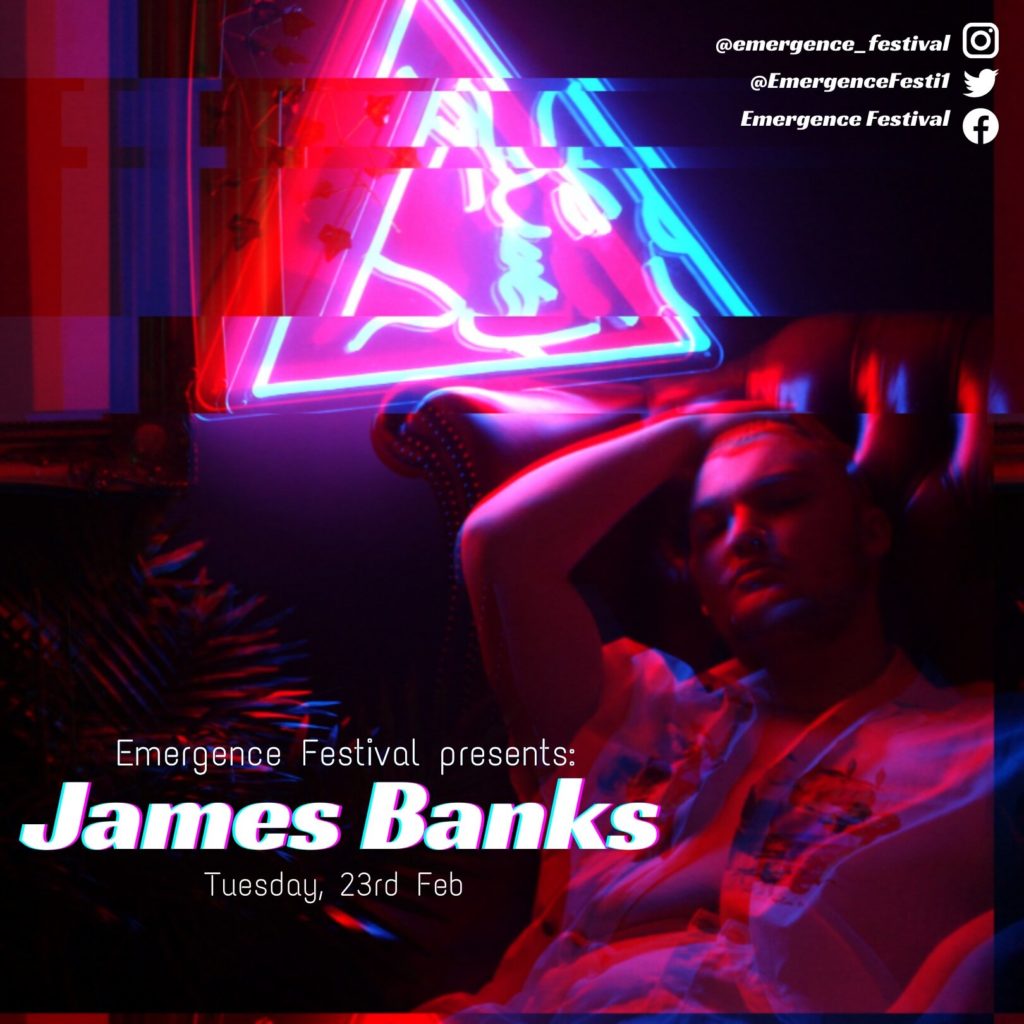
Solo music by Yorkshire artists James Banks and Rumbi Tauro will book-end the festival, Doncaster pop singer Banks performing new original music and covers on the opening day; Intake R&B/soul artist Tauroplaying a live set at the online closing party.
James Banks: Doncaster musician to play online at Emergence Festival
Doncaster instructor Claire Burns will lead a Hatha yoga class, Sunshine Yoga, and the University of York Comedy Society’s sketch troupe, The Dead Ducks, will perform a sketch first aired at the 2019 Edinburgh Fringe.
Panels and talks with industry professionals, such as Sorcha McCaffrey, The Paper Birds, Rocket Box Theatre, JustOut Theatre and Chris Swain, will offer the chance to discuss how to survive as an artist in a pandemic and how to break into the industry.
These will take place in the form of live Q&As or webinars, where the artists will be to answer any and every questions.
“Celebrating the work of new and upcoming artists in the performing arts industry has never been so important,” says Olivia, introducing a virtual festival where everything will be free to attend from the comfort of home.
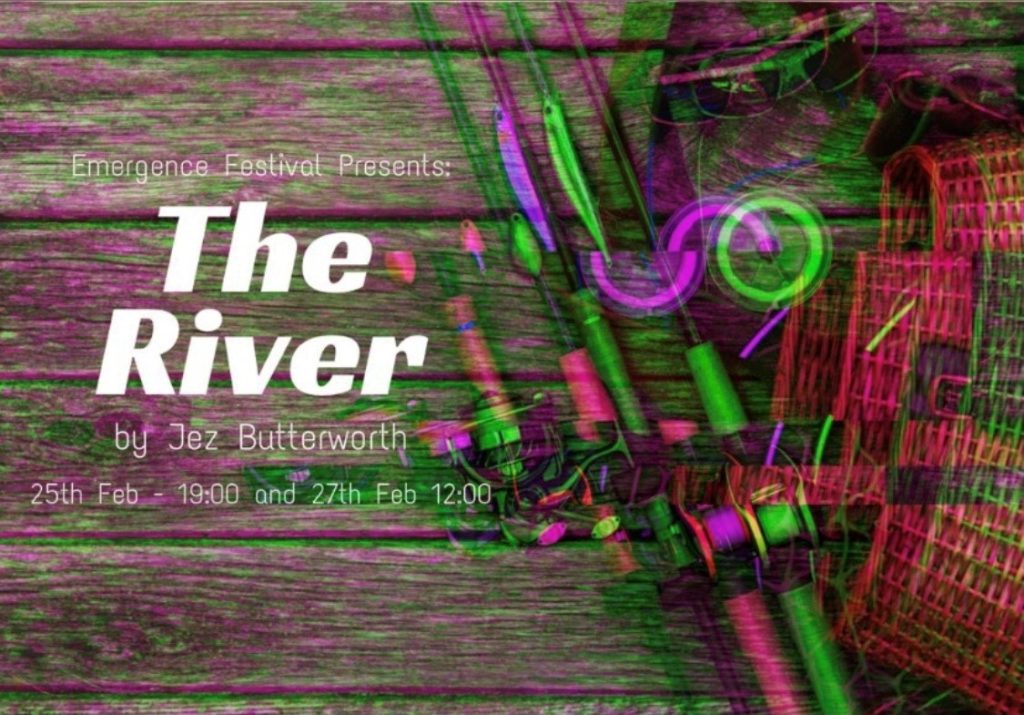
The River: Jez Butterworth’s play set on a moonless night in August
“With the effects of the pandemic on the arts sector, anyone in the industry has faced disruption and is challenged with fears of the future. Our festival provides a positively exciting space for emerging artists to showcase their talent far and wide and to remind us of how important art and culture is.”
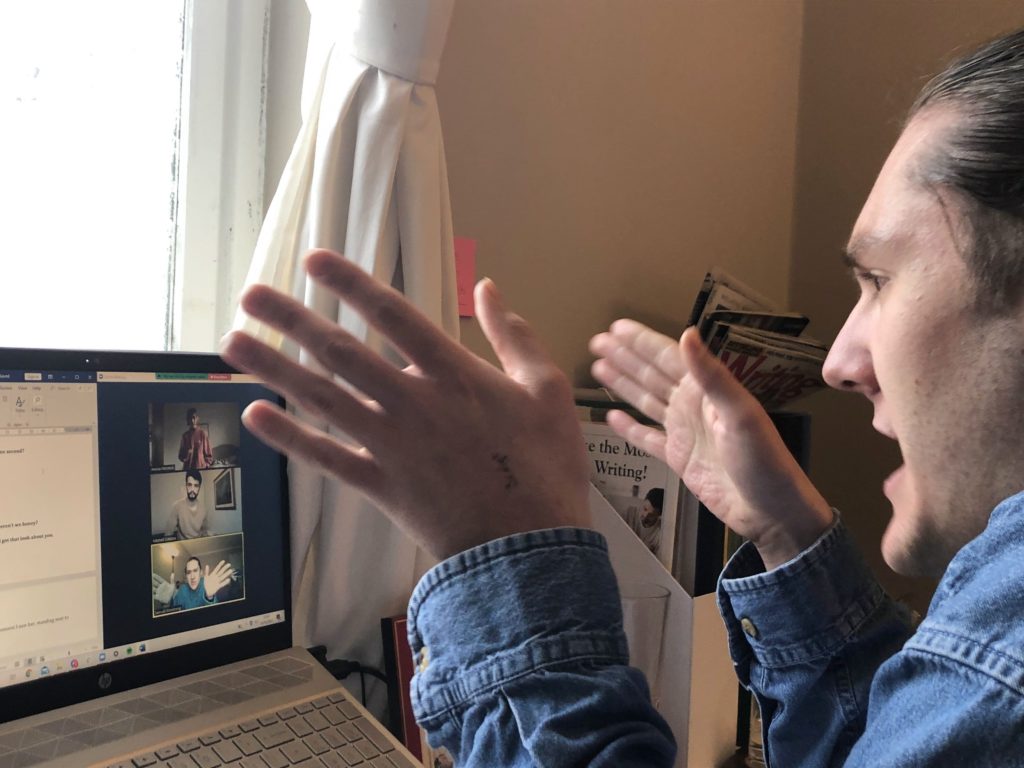
Originally, Emergence Festival was intended to take place at University of York’s theatre department, but in response to Lockdown 3, the students had to adapt to what was possible, embracing the opportunity to present their work on Zoom.
After overcoming the initial fear of poor wi-fi and glitching, the artists have thrived in their new environment in their rehearsals, culminating in this week’s live performances online.
Sam Armstrong: Director of Ross & Rachel
The full schedule is:
Tuesday, February 23
5.15pm to 5.30pm: Welcome speech.
5.30pm to 6.20pm: Wild Swimming by Marek Horn.
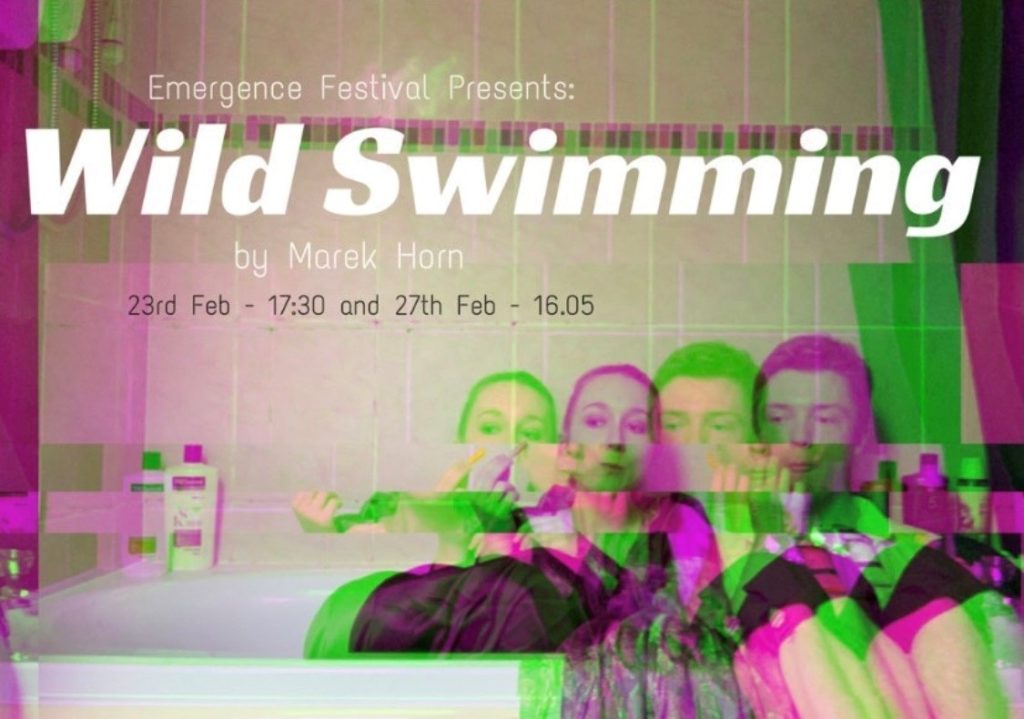
A kaleidoscopic exploration of cultural progress, Marek Horn’s play Wild Swimming is an interrogation of gender and privilege and a wilfully ignorant history of English Literature.
Wild Swimming: Marek Horn’s kaleidoscopic exploration of cultural progress
6.20pm to 6.55pm: James Banks.
Doncaster singer James Banks’s songs are a fusion of pop anthems and the vocal stylings of Sam Smith, Will Heard and Conan Grey. His set will combine originals and covers.
7pm to 8.20pm: NSFW by Lucy Kirkwood.
This sharp comedy addresses power games and privacy in the media and beyond.
Wednesday, February 24.
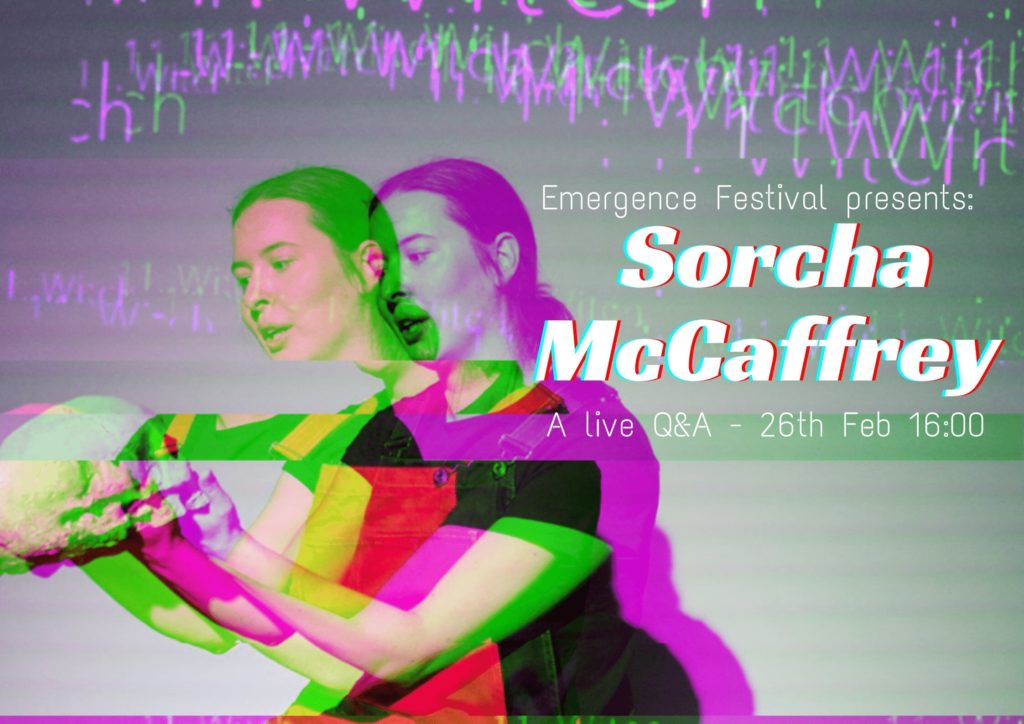
4pm to 5pm: Q&A with Sorcha McCaffrey.
In this interactive Q&A session, writer and actor Sorcha McCaffrey will take questions from the audience about her career in the theatre industry, writing a solo show and performing as a touring artist.
Sorcha McCaffrey: Live Q&A at Emergence Festival on Wednesday
5pm to 6.20pm: killology by Gary Owen.
In a play where a controversial new gaming experience is inspiring a generation, players are rewarded for torturing victims, scoring points for “creativity”.
7pm to 8.40pm: Wild by Mike Bartlett.
This darkly comic play explores the unexpected, bewildering and life-changing consequences of challenging the status quo at a global level.
Thursday, February 25
4pm to 5pm: In Conversation with The Paper Birds.
The Paper Birds, a devising theatre company with a social and political agenda, specialise in verbatim theatre, inspiring change through the theatre they create. In this session, they will discuss their experience of breaking into the theatre industry, devising theatre inspired by the community around them and their projects in lockdown.
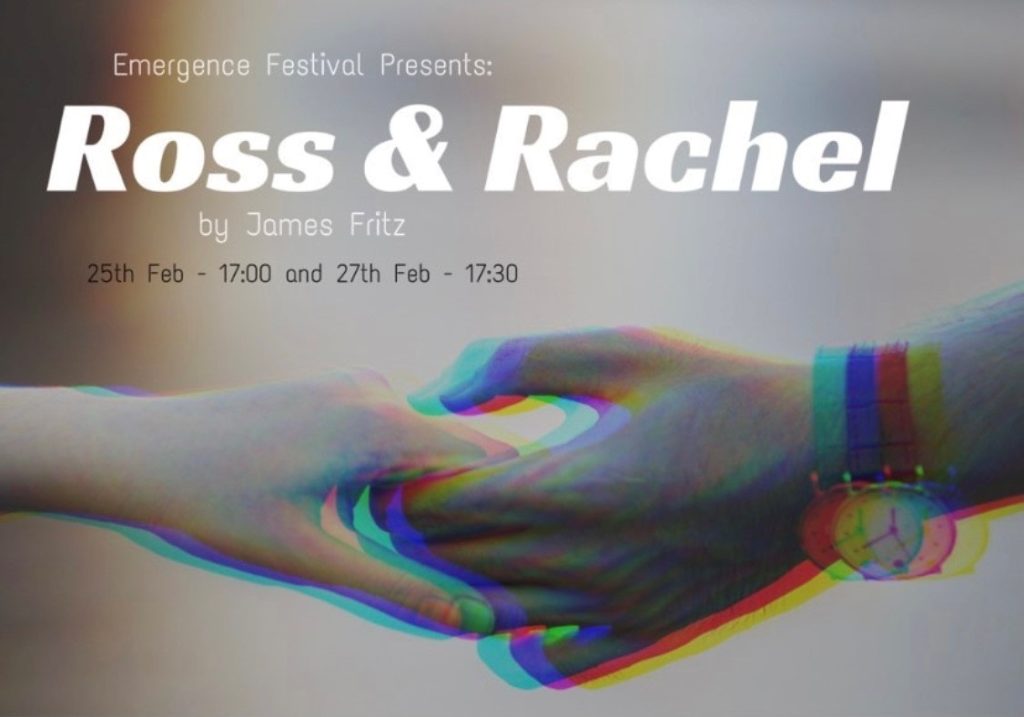
Ross & Rachel: James Fritz’s dark and uncompromising play about romance, expectation and mortality
5pm to 6.15pm: Ross & Rachel by James Fritz.
A dark and uncompromising play about romance, expectation and mortality, Ross & Rachel tells the story of what happens when two friends who were always meant to be together, get together and stay together.
7pm to 8.15pm: The River by Jez Butterworth.
On a moonless night in August when the sea trout are ready to run, a man brings his new girlfriend to the remote family cabin where he has come for the fly-fishing since he was a boy. She is not the only woman he has brought there, however, nor indeed the last.
Friday, February 26
4pm to 5pm: In Conversation with Chris Swain.
Chris Swain, lighting designer for devising physical theatre company Gecko, will answer questions on life as a technical freelancer working in theatre and dance: how to start; how theatre design jobs are structured; the difference between devised and text-led work; how to be an effective collaborator; the tech and software that are used, and the future of the industry.
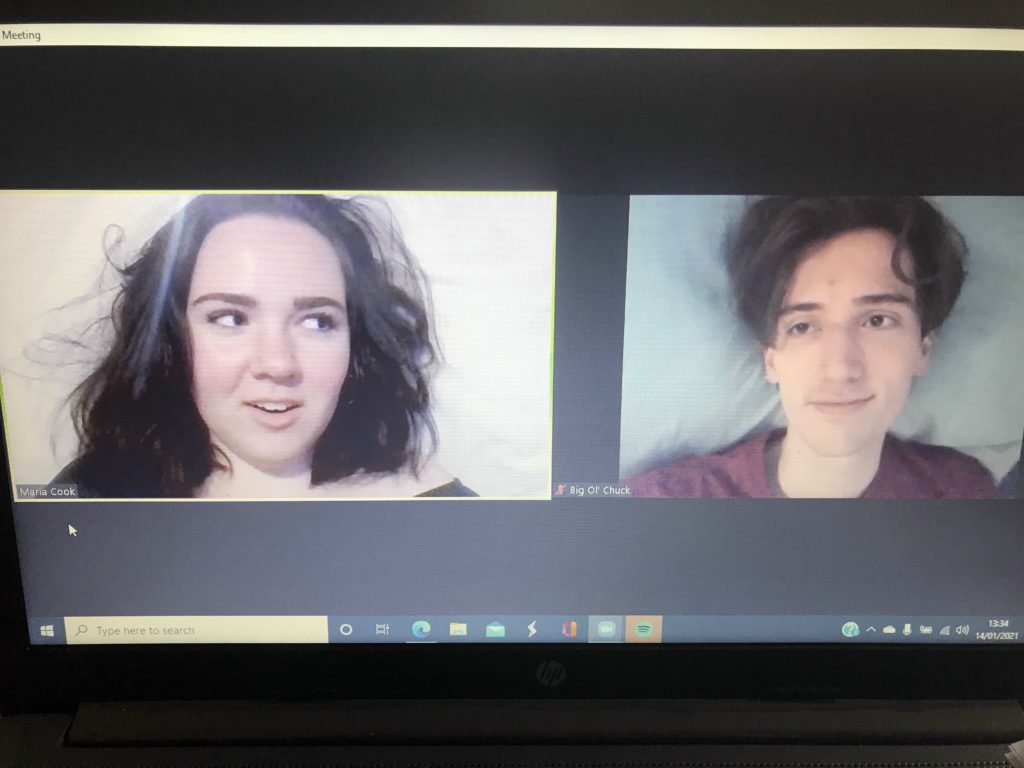
Zooming in: Maria Cook and Bradley Hodgson in rehearsal for The River
5pm to 6.40pm: Wild by Mike Bartlett.
6.40pm to 7pm: Comedy Sketch by The Dead Ducks.
The University of York Comedy Society sketch troupe The Dead Ducks will stream a humorous performance during the interval.
7pm to 8.20pm: NSFW by Lucy Kirkwood.
Saturday, February 27
10am to 11am: Sunshine Yoga with Claire Burns.
Claire Burns hosts a live yoga session of sun salutations with gentle, energising, breath-led flows, guided meditation and deep relaxation.
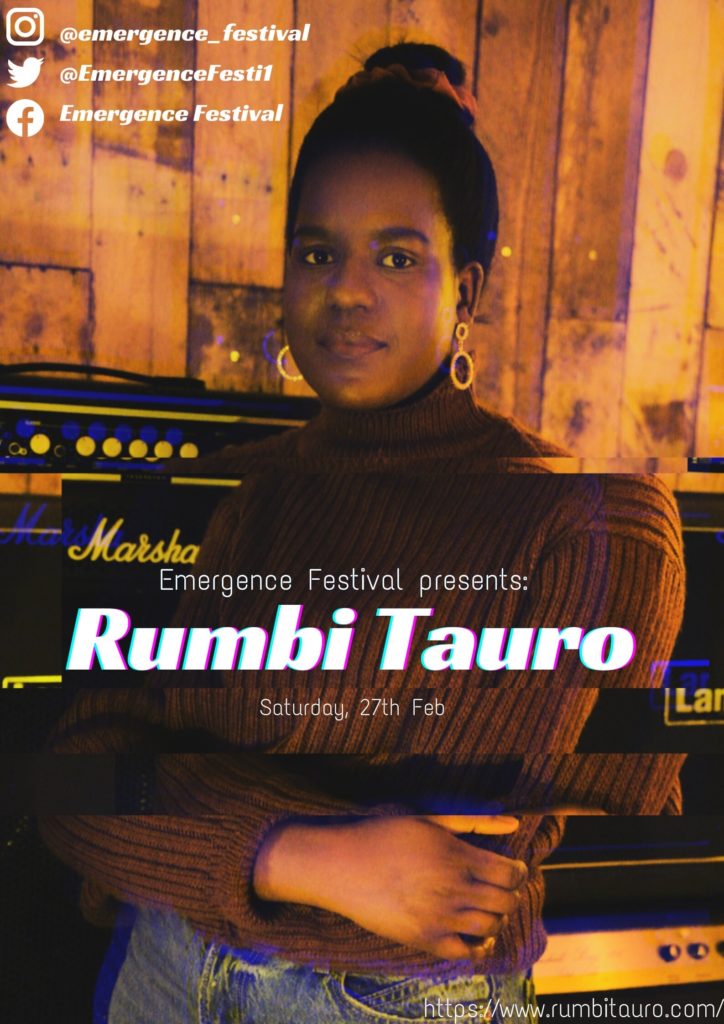
In concert: Rumbi Tauro to perform closing online show at Emergence Festival
11am to 12 noon: Rocket Box X JustOut Theatre.
Theatre companies Rocket Box and JustOut Theatre invite questions about their insight into life post-graduation and taking first steps into the theatre industry. Mistakes were made, lessons were learnt, so, sit down, open notebooks and let the demystifying revelations begin.
12 noon to 1.15pm, The River by Jez Butterworth.
2.40pm to 4pm: killology by Gary Owen.
4.05pm to 4.55pm: Wild Swimming by Marek Horn.
5.30pm to 6.50pm: Ross & Rachel by James Fritz.
7pm onwards: Closing party with Rumbi Tauro.
Zimbabwean-born soul and R&B singer-songwriter Rumbi Tauro, from Intake, Doncaster, will close the festival with a set of originals and covers to celebrate the work of Emergence’s emerging artists.
The 25 Eboracum Baroque musicians and singers who will perform the Heroic Handel virtual concert
EBORACUM Baroque will present Heroic Handel in a fundraising virtual concert for the York ensemble on July 18.
This 7pm programme of Handel’s music has been recorded and filmed in isolation during lockdown to be premiered on youtube.com/eboracumbaroque and facebook.com/eboracum.baroque.
The concert will feature virtuosic Handel operatic arias from Rinaldo and Giulio Cesare, characterful instrumental music and the concluding magnificent Coronation anthem, Zadok The Priest.
“This is a chance to hear talented young musicians performing Handel’s dazzling music for singers and a full period instrument orchestra,” says founder, director and trumpet player Chris Parsons, a University of York graduate.
Twenty-five Eboracum Baroque musicians have each recorded their individual parts separately from across Britain and Europe before being assembled remotely for this unique performance.
“This is a chance to support young professional musicians in these uncertain times and secure the financial future of Eboracum Baroque, so that we can continue to offer high quality, engaging musical experiences including concerts, recordings and education workshops,” says Chris.
Across lockdown, the ensemble has given a series of virtual concerts featuring repertoire for solo instrumentalists and singers, as well as a Spotlight series focusing on different instruments from the ensemble.
“For Heroic Handel, we’re delighted to be joined by our good friends, York Gin, who will present a segment of the concert all about the gin craze of the 18th century – and some cocktail making too,” says Chris. “Dress up as if you were going to watch the concert live, grab a drink of your choosing and enjoy Handel’s glorious music from the comfort of your own home.”
Eboracum Baroque players perform Vivaldi at York Mansion House
Here Eboracum Baroque trumpet player and director Chris Parsons answers Charles Hutchinson’s questions on remote concerts in lockdown, climaxing with Heroic Handel.
How did the project start?
“Eboracum have been working on virtual projects all through lockdown with our themed virtual concerts and Spotlight concerts, which feature different instruments from the ensemble.
“These were either performed via Zoom live or pre-recorded. They all featured just solo repertoire – and sometimes the performers duetting with themselves with the help of technology.
“But we were really keen to do something a bit bigger and utilise all the great musicians in the ensemble, so our project Heroic Handel was born, featuring 25 musicians all coming together to perform lots of music from opera arias, chamber music and right through to Zadok The Priest for full orchestra and choir.
“The great thing is that it’s been such a fantastic collaborative project between all of the musicians, who have all been so positive and supportive. We’re really keen to keep music going and we’re hoping this will do that.”
Eboracum Baroque’s poster for the Heroic Handel concert
How do you put together a virtual concert recording?
“It’s quite different to a usual concert! The main thing is keeping everyone together, with everyone sending their recordings in separately from wherever they are – mostly all across the UK but some in Serbia and Spain!
“The main thing is a click track and a pair of headphones. I choose the tempo of the piece – Handel wouldn’t have known what a metronome was! – and that is then sent in the form of a click track and the players and singers have to stay exactly in time, so that it can be stuck together using software.
“It’s quite a strange process recording your part all by yourself and not bouncing off the other players/singers. We actually had the cello and harpsichord record their parts first and then people could have some instruments to play along to, along with the click track.
“Quite a new experience for many of us, but one we’ve embraced it if it means we can get to perform together.”
What does the editing require?
“David Sims, another music graduate from the University of York, is the tech whizz who puts it all together. As he put it, his job is ‘sticking it all together and making sure that if people have recorded in their bathroom/garage/box room, he can make it sound like everyone is actually in the same place’!”
As director, how have you selected the programme for the themed concerts and what have been the themes so far?
“Again, quite a collaborative experience with all the musicians involved. As we were all performing completely solo, it was important to choose the right repertoire – and the right instruments.
“As a trumpeter, there’s not really much music that works completely by itself, so I didn’t have too much to play, but there’s lots of solo music for cello, violin, oboe and recorder that worked really well.
“We also had some folk songs sung by John Holland Avery, which worked really nicely unaccompanied.
“The themes have been everything from Baroque Dance music (including teaching the audience how to dance a minuet in their own home); Bach’s Leipzig Coffee House concerts and an Italian theme again with audience participation, teaching an 18th century Venetian gondolier song!”
Eboracum Baroque musicians at Stamford Georgian Festival
How have the Spotlight concerts gone?
“They’ve been great to really show up close our baroque instruments. We’ve done ones for recorder, strings, oboe and trumpet. For the trumpet one, we used technology to combine myself and another trumpeter, so we could do some more repertoire.”
What has been the reaction to the concerts in this union of the baroque and 21st century technology?
“Really positive. I think audiences are so keen to hear music and enjoy seeing the innovation so many ensembles have come up with during this strange time. We’ve found people really enjoy – particularly during March/April time – the Friday lunchtime concert time as something to look forward to in the week.
“It’s allowed us to explore repertoire we might not have done, which is a good thing, I think, to introduce audiences to new pieces as well.”
Heroic Handel is the biggest concert yet. How much planning has it taken and how have you put the programme together?
“Yes, it’s been quite a process bringing everything together, but an exciting one! We began planning this at the start of May, so it’s been a great way to keep musicians busy.
“The main thing has been making sure we get all the tech side of things ready so that everyone knows how to do it. Again, it was quite a collaborative process.
“The great thing about Eboracum is that we’re a very flexible ensemble: one gig might be three musicians and another might be 20 musicians!
“So, I hope this concert will showcase everything Eboracum does. There are pieces in this concert with three players (the Recorder Sonata) and Zadok The Priest has all 25 players playing in it.”
What do you love most about Handel’s music?
“His music has everything! It can be so dramatic – all the grandeur with trumpets and timpani – but also so beautiful and expressive. He can just write a great tune and knows how to make it work for every situation.
“The opera arias you will hear in this concert are pieces that people in England would have heard nothing like till then and I’m sure they must have been blown away by it. He knew how to write for a big occasion too: Zadok The Priest just builds the tension before the glorious entry of the choir and the trumpets – a perfect piece for the coronation of a king.”
Eboracum Baroque chamber musicians at Canons Ashby, Northamptonshire
What’s coming next for Eboracum Baroque?
“This concert is really the culmination of our work in lockdown. We’ll then probably have a bit of breather for the rest of July and most of August as we work on what comes next for us.
“It’s such an uncertain time but we’re hoping we can begin to work together in the same place – probably in a church without an audience – where we can record concerts and then live-stream them.
“Particularly, we want to plan towards Christmas, which is really the time of year that will be decisive financially in how the ensemble proceeds into 2021.”
What are you missing most in lockdown musically?
“Being together in the same room. Can’t wait till we can logistically get back to playing together. Eboracum members are more than just colleagues, we’re all good friends, so we’re missing the social side too.”
How will you feel when Eboracum Baroque can perform together again cheek by jowl?
“It’ll be an amazing feeling, I’m certain of it, probably quite an odd one too, playing with people in the same room again, but it’ll be fantastic, I’m sure of it!
“It will no doubt be a slightly different set-up for a while – including any required distancing – but I think it will really boost morale as well.”
How do you foresee the future for freelance musicians in these desperate times?
“It’s such an uncertain time. I’m ever the optimist that, in time, music will come storming back. The arts will be required even more than ever and having seen all the innovation during this lockdown period, I’m absolutely certain that this creativity will continue – creating new ways to watch concerts, new set-ups for audiences etc.
“For freelancers like myself and many of the Eboracum team, we just hope that venues are given the go-ahead to open and begin to programme concerts again in whatever form is possible.
“It will be a long, hard slog but I know musicians are never tiring and we’ll fight to bring this amazing industry back to happier times.”
Have you discovered anything to the good in lockdown?
“During lockdown my wife and I had our first baby, a baby girl born at the start of April. So, we’ve been kept busy! A silver lining from it all is that I’ve been at home throughout and have been able to spend so much time with our new addition and to help my wife too, so that’s been great but we’re looking forward to slowly having more people around!
“Also, I’ve enjoyed a slightly slower pace of life – even with a new-born – and I think when things do eventually get back to normal, I’d like to try and keep a bit of that…”
Eboracum Baroque director Chris Parsons
THE July 18 concert comprises: Handel’s March from Rinaldo; O The Pleasure Of The Plains from Acis And Galatea; Sibilar Gli Annui d’Aletto from Rinaldo, featuring baritone John Holland Avery; Sonata in B minor, Opus 2 No 1: Andante and Allegro; V’adoro, Pupille from Giulio Cesare, featuring soprano Charlotte Bowden; Recorder Sonata in F major, and Zadok The Priest: Coronation Anthem for George II.
The Eboracum Baroque singers and musicians performing Heroic Handel are:
Eboracum Baroque performing Handel’s Messiah at Senate House, Cambridge
Who areEboracum Baroque?
THIS group of professional singers and classical instrumentalists was formed in 2012 by Chris Parsons at the University of York and the Royal College of Music and has performed across the Britain and Europe, from Senate House, Cambridge, to The Temple Church, London, and Christuskirche, Hannover.
As well as their concert performances, Eboracum Baroque have given fully staged performances of Purcell’s Dido And Aeneas and Handel’s Acis And Galatea.
Performing music from across the Renaissance and Baroque periods, the ensemble has a particular specialism in English music from the 17th and 18th Century.
In January 2015, Eboracum Baroque recorded their first album, funded by the National Trust and Arts Council England, comprising forgotten music by the English Baroque composer Thomas Tudway (1650-1726), recorded at Wimpole Hall, near Cambridge, where Tudway worked from 1714 to 1726.
The ensemble seeks to champion forgotten English composers from the period while still performing many famous works. Their second CD, Sounds Of Suffolk, released in November 2018, features forgotten music from 18th century Suffolk, such as violin sonatas by Joseph Gibbs and music from Ickworth House.
Eboracum Baroque perform at National Trust properties, such as Wimpole Hall, Oxburgh Hall and Canons Ashby, presenting programmes unique to each property’s history.
In December 2015, the group undertook its first major tour abroad with performances of Handel’s Messiah in Münster and Hannover in Germany. A December 2017 tour of Estonia took in concerts of Bach’s Magnificat and Vivaldi’s Magnificat in Tartu and Tallinn, the second being broadcast on Estonian National Radio.
Eboracum Ensemble run an education programme with schools across Britain, such as projects based around Handel’s Water Music and Vivaldi’s Four Seasons.
They continue to work with Horrible Histories author Terry Deary on projects where they hope to introduce the next generation of musicians to Baroque music. Performances with Terry have included a new narration of Purcell’s King Arthur and The Fairy Queen and The Glorious Georgians, a show at the Edinburgh Fringe.
They have devised The Story Orchestra: Four Seasons In One Day, an educational project designed around Vivaldi’s Four Seasons that has toured many schools, working with festivals and music hubs, such as the Edinburgh Book Festival and the National Centre for Early Music in York.
Eboracum Baroque give concerts regularly in their home city of York at York Mansion House, as well as frequent performances in their “second home” in Cambridge, not least of Handel’s Messiah for the past seven years to a sold-out audience of 600 each time.
THE Guardian writer Tim Dowling closes the door on the 2020 York Festival of Ideas by shedding light on shed life in lockdown.
In this evening’s closing online talk, he asks: “What happens when a global pandemic shrinks life to a claustrophobic domestic sphere? Some of us adapt, some of us protest, some of us reassess our goals…”
…and some of us, like Tim Dowling, “barely notice the difference”. How come?
For 12 years, Dowling has chronicled a life of small nothings in his Guardian column. Suddenly, in these Covid-19 times, he finds the rest of the world is taking to the bunker too.
Who better to explore life in lockdown at a festival brimful of isolation ideas than this “leading expert in never going anywhere if he can help it”.
Dowling did make one big move, however: he first came to Britain from the United States at the age of 27. Now, in addition to his column in the Guardian’s Weekend magazine, he is the author of such books as How To Be A Husband and Dad You Suck.
Happy to be joining that CV is How To Be Happy All The Time, his audiobook on the subject of cynicism. Cynics will not be surprised to learn the audiobook is short. Happiness never lasts, as we cynics know.
Brought to you virtually by the University of York, York Festival of Ideas concludes today. Visit yorkfestivalofideas.com/2020-online/ for full details of this afternoon and evening’s programme.
Will the last one out tonight, please turn off the virtual festival light. See you next June.
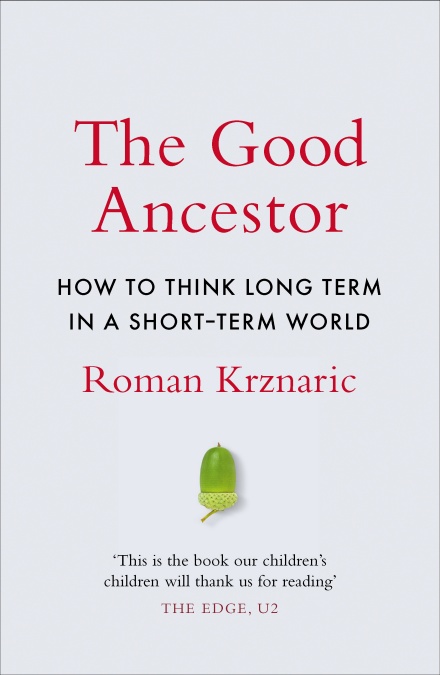
The dust jacket to Roman Krznaric’s imminent new book, The Good Ancestor
WILL you even read to the end of this sentence?
I asked because social philosopher and author Roman Krznaric reckons we are “living in the age of the tyranny of the now, where the greatest challenge facing humankind is our inability to think long term,”,as he will discuss in this afternoon’s free talk at the online 2020 York Festival of Ideas.
Sorry, you can’t read his powerful new book just now. Be patient. You will have to wait until July 16 when The Good Ancestor: How To Think Long Term In A Short-Term World will be published by WH Allen (Penguin Random House).
For a taster, tune in this afternoon, when Krznaric will contend: “Politicians can barely see past the next election or businesses past the next quarterly report, and we are addicted to the latest tweet and the ‘buy now’ button.
“How can we overcome this frenetic short-termism and extend our time horizons to tackle long-term challenges from the climate crisis to threats from artificial intelligence and genetically engineered pandemics?”
Krznaric will reveal how you can expand your imagination far beyond the here and now. Exploring everything from the seventh-generation thinking of indigenous peoples and politically empowered “guardians of the future” to the history of the London sewers and the latest neuroscience research, he will argue that we have an inbuilt capacity to become “cathedral thinkers”.
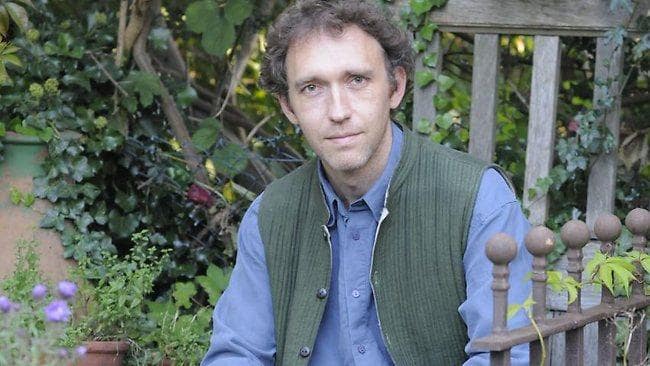
“It is time to confront one of the most vital questions of the 21st century: How can we be good ancestors?” says Krznaric, a “public philosopher who writes about the power of ideas to change society”.
His books, such as Empathy, The Wonderbox and Carpe Diem Regained, have been published in more than 20 languages. His new one, the aforementioned The Good Ancestor: How To Think Long Term In A Short-Term World, is “the book our children’s children will thank us for reading”, says U2 guitarist The Edge.
What did Roman ever do for you? Write books, plan long term, found the Empathy Museum, give a talk online today….
After growing up in Sydney and Hong Kong, Krznaric studied at the universities of Oxford, London and Essex, where he gained a PhD in political sociology.
Founder of the world’s first Empathy Museum, he is a research fellow of the Long Now Foundation in San Francisco and his writings have been influential among political and ecological campaigners, education reformers, social entrepreneurs and designers. H
His public speaking, talks and workshops have taken him from a London prison to Google’s headquarters in California. Learn more at romankrznaric.com and @romankrznaric.
Oh, and good news, if you have only a short-term attention span, the talk shouldn’t take up too much if your time. It lasts only 50 minutes.
Brought to you remotely by the University of York, the 2020 York Festival of Ideas is into its last two days but is still brimful of ideas this weekend, gathered under the new online umbrella of Virtual Horizons. For full details, visit yorkfestivalofideas.com/2020-online/.
Did you know?
FOUNDED by Roman Krznaric, the Empathy Museum’s offices are in London but this international arts project does not have a permanent home. “All our projects are travelling, nimble pop-ups – they’ve been across the UK and to Belgium, Ireland, the USA, Australia, Brazil and even Siberia,” says the website.
“The Empathy Museum is an experiential project exploring the art of empathy through stepping into the shoes of other people and looking at the world though their eyes.” In a nutshell, “outrospection”, rather than introspection.
Wool Britannia: This Golden Fleece author Esther Rutter weaves her way through Britain’ s knitting history this evening at the York Festival of Ideas
WOOLLY thinking will be encouraged at the online York Festival of Ideas this evening.
At 6pm, author Esther Rutter will weave a journey through Britain’s long history of knitting in her talk This Golden Fleece.
Esther grew up on a sheep farm in Suffolk, learning to spin, weave and knit as a child. On re-engaging with that past, over the breadth of a year, she travelled the length of the British Isles to discover the fascinating stories of communities whose lives were shaped by wool, knitting them together in her book This Golden Fleece (Granta Books).
Esther unearthed tales of mill workers of the Border countries, English market towns built on profits of the wool trade and the Highland communities cleared for sheep farming. She also found tradition and innovation intermingling in 21st century knitwear industries.
Esther, who read English at Magdalen College, Oxford, is writer-in-residence at the University of St Andrews (2017-2020) in the School of Geography and Sustainable Development.
She also works as a freelance project manager for UNESCO, developing cultural engagement projects in collaboration with Edinburgh’s City of Literature Trust.
Join Esther this evening, albeit remotely, for her discussion of the craft and history of knitting, exploring wool’s influence on our landscape, history and culture. Admission is free but booking is required at eventbrite.co.uk/e/this-golden-fleece-tickets-105237367800.
Brought to you remotely by the University of York, York Festival of Ideas is brimful of ideas until June 14, gathered under the new umbrella of Virtual Horizons. For full details, visit yorkfestivalofideas.com/2020-online/.
The hand of friendship: nature’s “little helper”, according to author and professor Robin Dunbar, who needs to talk tonight. Image: Symbolon from Noun Project
AT this pandemic-enforced time of alienation, disconnection, lockdown, social distancing, shielding and virtual gatherings when everyone’s gone to the Zoom, how topical for the York Festival of Ideas to host a talk on Friendship: Nature’s medicine. Online, of course.
At 8pm tonight, psychology professor and author Robin Dunbar, from the University of Oxford, will explore the psychological and neurobiological mechanisms involved in friendships and how they produce these remarkable effects as nature’s “little helper”.
“Like all monkeys and apes, humans are intensely social,” says the festival website. “Close relationships, whether family or friend, are our way of buffering ourselves against the stresses that life puts us under.
“In fact, loneliness has turned out to be the biggest killer. It turns out that friendships have a bigger effect on our quality of life, as well as our ability to resist and recover from illness, than almost anything conventional medicine can throw at us.”
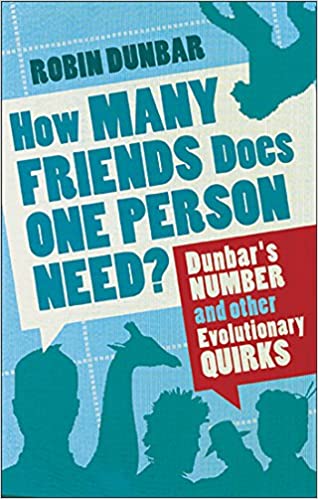
The cover to Robin Dunbar’s 2010 book of evolutionary quirks, How Many Friends Does One Person Need?
Robin Dunbar is professor of evolutionary psychology at the University of Oxford, an Emeritus Fellow of Magdalen College and an elected Fellow of the British Academy.
His principal research interests focus on the evolution of sociality with particular reference to primates and humans. He is best known for the social brain hypothesis, the gossip theory of language evolution and Dunbar’s Number (the limit on the number of relationships that we can manage).
Among his science books are: Grooming, Gossip And The Evolution Of Language (1996); The Human Story (2004); How Many Friends Does One Person Need? (2010); The Science Of Love And Betrayal (2012); Human Evolution: A Pelican Introduction (2014); Human Evolution: Our Brains And Behaviour (2016), and Evolution: What Everyone Needs To Know (2018).
Online admission tonight is free but booking is required at eventbrite.co.uk/e/friendship-natures-medicine-tickets-105701357606.
Brought to you remotely by the University of York, York Festival of Ideas is full of ideas until June 14, gathered under the new umbrella of Virtual Horizons. For full details, visit yorkfestivalofideas.com/2020-online/.